
What Causes Window Tint Bubbles, Peeling, or Purple Tint?
Window tint failures are more common than most drivers realize , and they often show up at the worst time: when you are staring into a low Florida sun or stepping into a heat-soaked cabin after work. Bubbles, peeling edges, hazy spots, and that unmistakable purple window tint can happen for several reasons, and not all of them mean your tint installer did a poor job. In Ocala and surrounding areas, the combination of intense UV exposure, high surface temperatures, daily humidity swings, and frequent car washing can accelerate film breakdown and make small issues grow into noticeable defects. The good news is that most problems have a clear cause, and many are preventable with the right film, correct installation methods, and a proper curing period. In this guide, you will learn what causes window tint bubbles, peeling window tint, fading, and purple discoloration, plus how premium products like
LLumar Auto Window Tint and professional installation from
J3ss-InTime Window Films can deliver long-term clarity, comfort, and a clean factory-finish look.
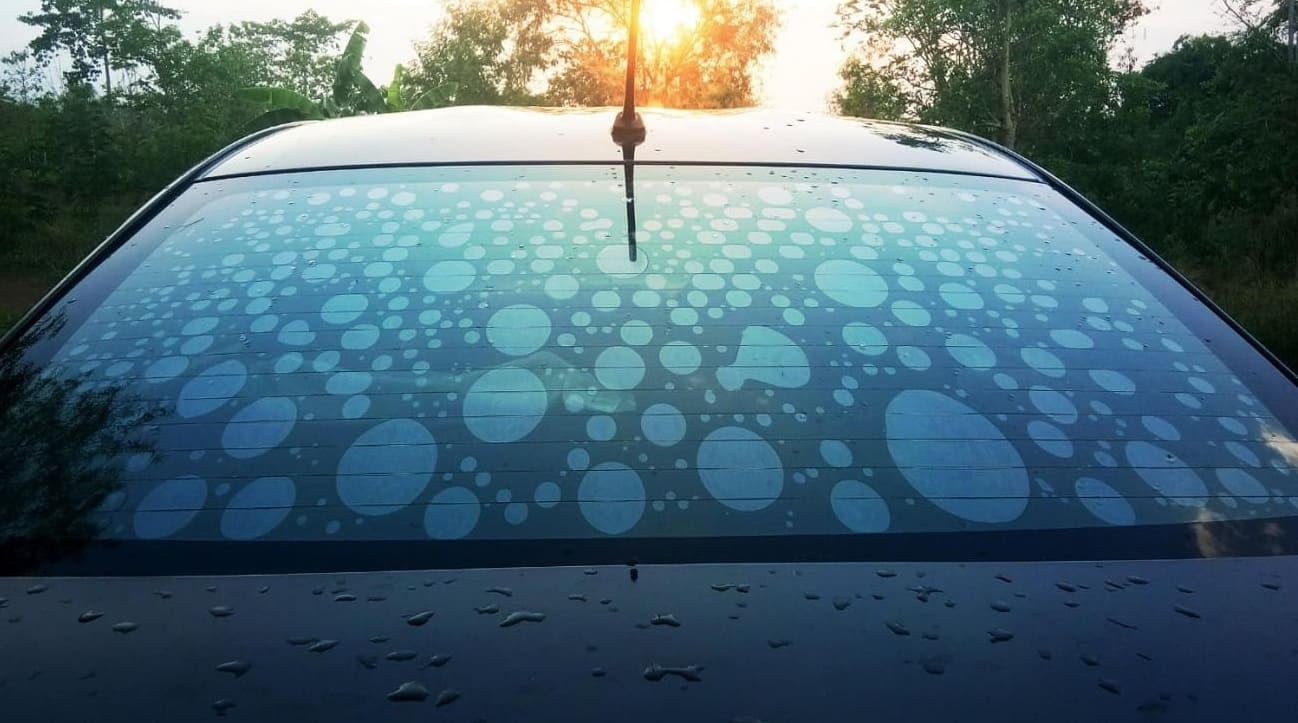
Table of Contents
- How Automotive Window Tint Is Built and Why Quality Varies
- What Causes Window Tint Bubbles in Florida Vehicles
- Why Window Tint Peels, Lifts, or Fails at the Edges
- Why Some Tint Turns Purple: Dye Breakdown Explained
- How Florida Heat, UV, and Humidity Affect Tint Life
- Entry-Level Films vs Premium LLumar Auto Window Tint
- How Professional Installation Prevents Most Failures
- FAQ: Window Tint Problems in Ocala and Nearby Areas
- Conclusion and Free Estimate CTA
How Automotive Window Tint Is Built and Why Quality Varies
To understand why window tint bubbles, peeling window tint, or purple window tint happens, it helps to know what you are actually installing on the glass. Automotive window film is a layered product, and each layer has a job. When those layers are built with higher-grade materials and bonded with stable adhesives, the tint is more resistant to heat, UV, and the daily wear that Florida vehicles see.
Most automotive films include a scratch-resistant hard coat on the inside (the side you can touch), a film body made from polyester, a functional layer for heat and light control, color or dye components (in some products), and an adhesive layer that bonds to the glass. Some films also include a UV inhibitor, a protective top coat, and in advanced films a
ceramic or metalized layer that improves heat rejection without relying on dyes that can fade.
Quality varies in three main areas: the stability of the base material, the performance layer, and the adhesive system. Lower-cost films often use dye-based construction to achieve a darker look, but dye is the most common reason film turns purple. Cheaper adhesives may also be more sensitive to heat and moisture, which can lead to bubbling and edge lifting over time. Premium films use more stable color technology, better adhesives, and tighter manufacturing tolerances, which is why they tend to look better for longer.
| Film Component | What It Does | Common Failure When Low Quality |
|---|---|---|
| Polyester base | Structural body of the film | Warping, hazing, distortion |
| Functional layer (dye, metal, ceramic) | Controls light and heat | Purple tint, fading, poor heat rejection |
| Adhesive | Bonds film to glass | Bubbles, peeling, edge lift |
| Hard coat | Resists scratches during use | Scratching, premature wear marks |
What Causes Window Tint Bubbles in Florida Vehicles
When drivers search for window tint bubbles, they are usually seeing one of two things: temporary moisture trapped during the early curing phase, or true bubbling that will not go away. In Ocala, where humidity can remain high for long stretches, that distinction matters. Some small water pockets can linger longer than expected, but persistent bubbles usually point to contamination, adhesive issues, or installation problems.
1) Moisture during curing. Fresh tint is installed with a slip solution that allows the film to be positioned on the glass. After installation, that moisture must evaporate through the film and out around the edges. During this time, you may see a light haze or small water pockets. This is normal, especially on thicker films or in cooler, wetter weather. In Florida, hot days can speed evaporation, but humidity can slow it, so a professional installer will explain realistic timelines and what is normal to see.
2) Dust, lint, and debris under the film. Even a tiny speck can create a “bubble-like” appearance because the film cannot lay perfectly flat over the contaminant. These are often called “dirt dots.” They do not disappear with time. A shop that follows strict cleaning and prep steps will minimize these, but vehicles used on job sites, driven on dusty roads, or stored under trees can be harder to prep perfectly.
3) Glass contamination and residue. Many window tint problems Florida drivers see start with invisible residues. Household glass cleaners, silicone-based sprays, previous adhesive residue, and oils from hands can all interfere with adhesion. Rear glass can be especially challenging because of defroster lines and the curved surface. Proper scraping, cleaning, and controlled handling are key.
4) Trapped air from poor squeegee technique. Professional installers use firm, consistent strokes to push solution out and lock the adhesive down uniformly. If an installer rushes or uses improper pressure, pockets can remain. In the first days, these pockets can resemble moisture, but if they contain air and the adhesive never bonds fully, they can become permanent bubbles.
5) Adhesive failure from low-quality film. Some films simply do not tolerate heat well. If the adhesive softens repeatedly under sun load, it can lose bond strength and create bubbles. This is one reason premium films like LLumar auto window tint are favored for long-term stability when installed correctly.
| Bubble Type | What It Looks Like | Most Likely Cause | What To Do |
|---|---|---|---|
| Moisture pockets | Soft, watery look; may be hazy | Normal curing | Wait for curing; avoid touching film |
| Dirt dots | Tiny raised points; sharp outline | Dust or debris under film | Inspection; may require re-tinting pane |
| Adhesive bubbles | Round bubbles that persist | Adhesive failure or improper install | Repair or replacement after diagnosis |
Why Window Tint Peels, Lifts, or Fails at the Edges
Peeling window tint is one of the most frustrating failures because it often starts small at a corner and gradually spreads. In practice, edge lifting is about two things: adhesion at the boundary and stress placed on that boundary over time. Ocala drivers who crack windows frequently, deal with rain, or wash vehicles often can put extra strain on edges if the film is not properly installed or cured.
1) Incomplete edge bonding. Film must be trimmed precisely and set so the adhesive contacts clean glass. If the edge is trimmed too close to a rubber gasket or hits the window seal during operation, the seal can rub the film and slowly pull it back. Skilled installers account for window design and leave the correct gap.
2) Contamination at the edge. Even if the center is clean, a contaminated edge can fail because water and debris collect there. Oils and residues can hide in corners, along felt channels, and around trim pieces. Over time, that weak spot becomes a lift point.
3) Early window operation or aggressive cleaning. Rolling the window down too soon can catch an edge and start a peel. Using ammonia-based cleaners or rough towels can also damage edges. If you recently tinted your vehicle, follow the shop’s curing instructions carefully and avoid scraping or wiping the film while it is still settling.
4) Heat cycling and material stress. Vehicles in Florida can swing from cool mornings to very hot glass temperatures by midday. That expansion and contraction stresses the bond line. Premium adhesives and stable film constructions handle this better, which is why higher-end films tend to keep their edges cleaner for longer.
Why Some Tint Turns Purple: Dye Breakdown Explained
Purple window tint is the classic sign of dye breakdown. Many older or entry-level films use dyed layers to create a dark appearance. Over time, especially under strong UV exposure, dye molecules can break down, shift color, and produce that purple or bluish cast that stands out against factory glass.
How dye breakdown happens. UV radiation and heat work together. UV attacks dye stability at a molecular level, while heat accelerates chemical reactions and oxidation. In Florida, where sun intensity is high and parked cars can heat the glass significantly, dyed films can degrade faster than drivers expect. The change can start subtly as a loss of deep charcoal tone, then progress to a purple tint that is obvious in bright daylight.
Why premium films resist purple discoloration. Higher-grade films use more stable color technologies and protective layers that reduce UV-driven degradation. Premium lines like LLumar Auto Window Tint are engineered for color stability and long-term durability when installed correctly, which is a key reason they are recommended for Florida vehicles.
Other discoloration causes. While dye breakdown is the most common, discoloration can also come from manufacturing inconsistencies in very low-quality films, chemical exposure from cleaners, or adhesive changes due to heat. A proper inspection can distinguish film aging from installation error.
How Florida Heat, UV, and Humidity Affect Tint Life
Window tint problems Florida drivers experience are often amplified by climate. Tint is tested in controlled environments, but real life in Ocala includes daily sun load, humidity, sudden rain, and long periods of vehicle storage outdoors. These factors impact both the film and the adhesive.
Heat. Glass can get extremely hot under direct sunlight, especially on dark vehicles. Repeated heat cycling can soften adhesives and stress film layers. This can contribute to bubbling or edge lifting in lower-quality products.
UV exposure. UV is the main driver of fading and color shift. Even when films claim UV protection, the durability of that protection varies by manufacturer and film type. Premium films are engineered with better UV inhibitors and more stable constructions.
Humidity and moisture intrusion. Moisture does not usually penetrate a fully bonded film, but humidity can affect curing times, and water can collect along edges if seals are worn. High humidity also makes it more important to keep windows up after installation so the adhesive can settle without disturbance.
| Florida Condition | What It Does | Common Tint Symptom | Prevention Tip |
|---|---|---|---|
| High UV index | Accelerates dye and adhesive aging | Fading, purple tint | Choose color-stable premium film |
| High glass temperatures | Softens weak adhesives | Bubbles, lift points | Use high-grade adhesive systems |
| Humidity swings | Slows curing; stresses edges | Longer haze, edge sensitivity | Follow curing rules and care steps |
Entry-Level Films vs Premium LLumar Auto Window Tint
If you are comparing replacement options or considering an upgrade after a failure, film selection matters. Entry-level films can look good on day one, but they often rely on dye for color and use lower-grade adhesives. Premium films emphasize stability, clarity, and long-term performance. This is especially important for drivers searching for Ocala window tint repair because replacing failed
tint costs time and money, and it is often avoidable.
Entry-level dyed films. These can be attractive for budget installs, but they are more prone to fading and purple discoloration, and may have weaker heat rejection. In Florida, their lifespan can be shorter, and failures like bubbling or edge lifting can show sooner, especially if installation conditions are not ideal.
Premium products like LLumar auto window tint. LLumar Auto Window Tinting products are engineered for superior color stability, durability, and resistance to bubbling and fading when installed correctly. For vehicle owners who want long-term results and a professional look, these products are designed to hold their tone and performance under challenging conditions.
| Film Type | Typical Strength | Common Weakness | Expected Lifespan (Florida) |
|---|---|---|---|
| Dyed (entry-level) | Lower cost, darker look | Purple tint, fading | 2 to 5 years |
| Metalized | Good heat rejection | Potential signal interference on some vehicles | 5 to 10 years |
| Ceramic / premium | Excellent heat rejection and clarity | Higher initial cost | 8 to 12+ years |
How Professional Installation Prevents Most Failures
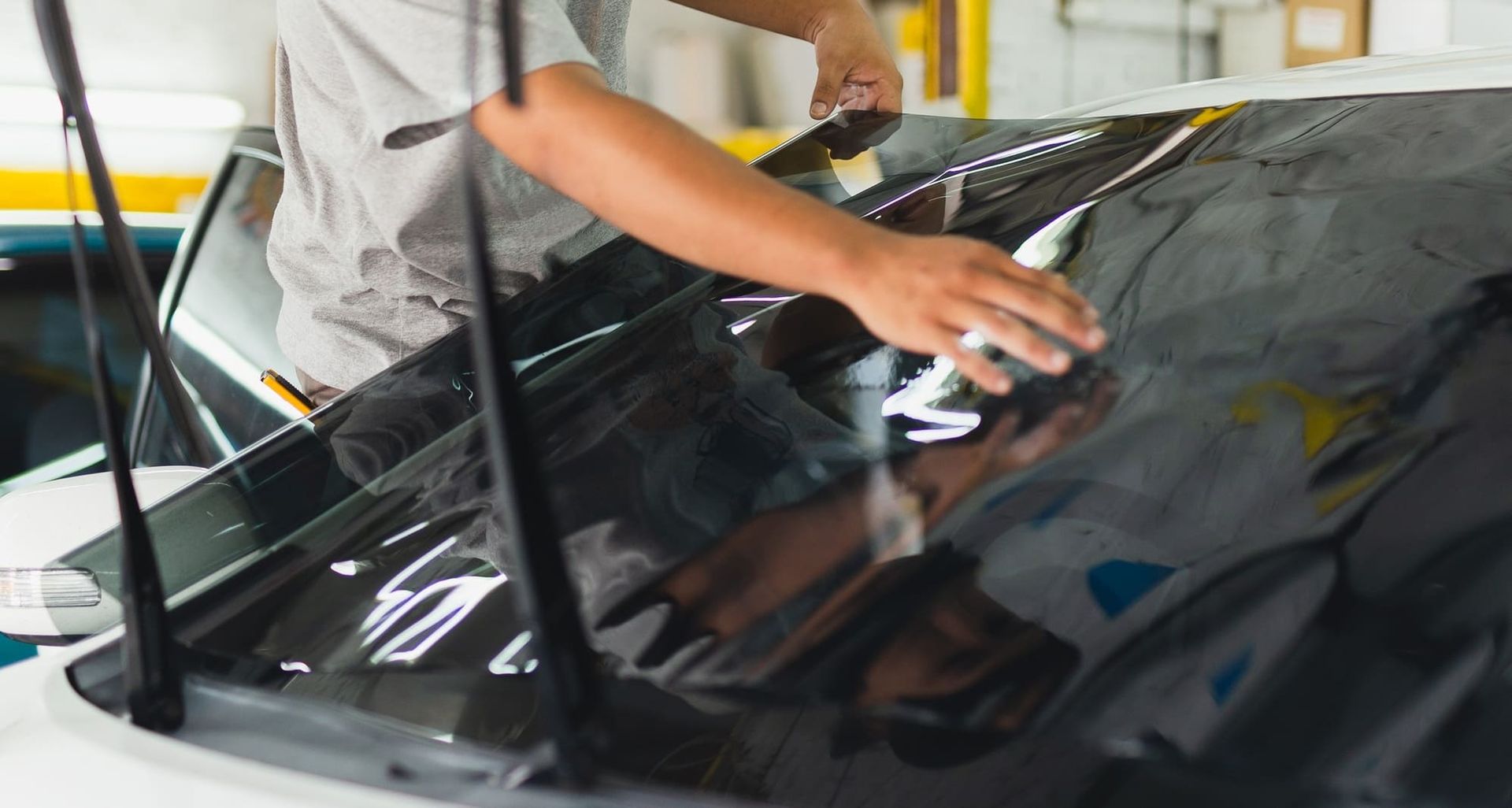
Even the best film can fail if the prep work is rushed or curing guidance is ignored. Professional installation is less about speed and more about process. A reliable shop will focus on glass prep, contamination control, correct film handling, accurate trimming, and thorough squeegee work that fully sets the adhesive.
Prep and contamination control. The glass must be cleaned and scraped properly, especially at edges and corners. Installer technique and shop conditions matter. Controlled indoor environments reduce dust and improve consistency.
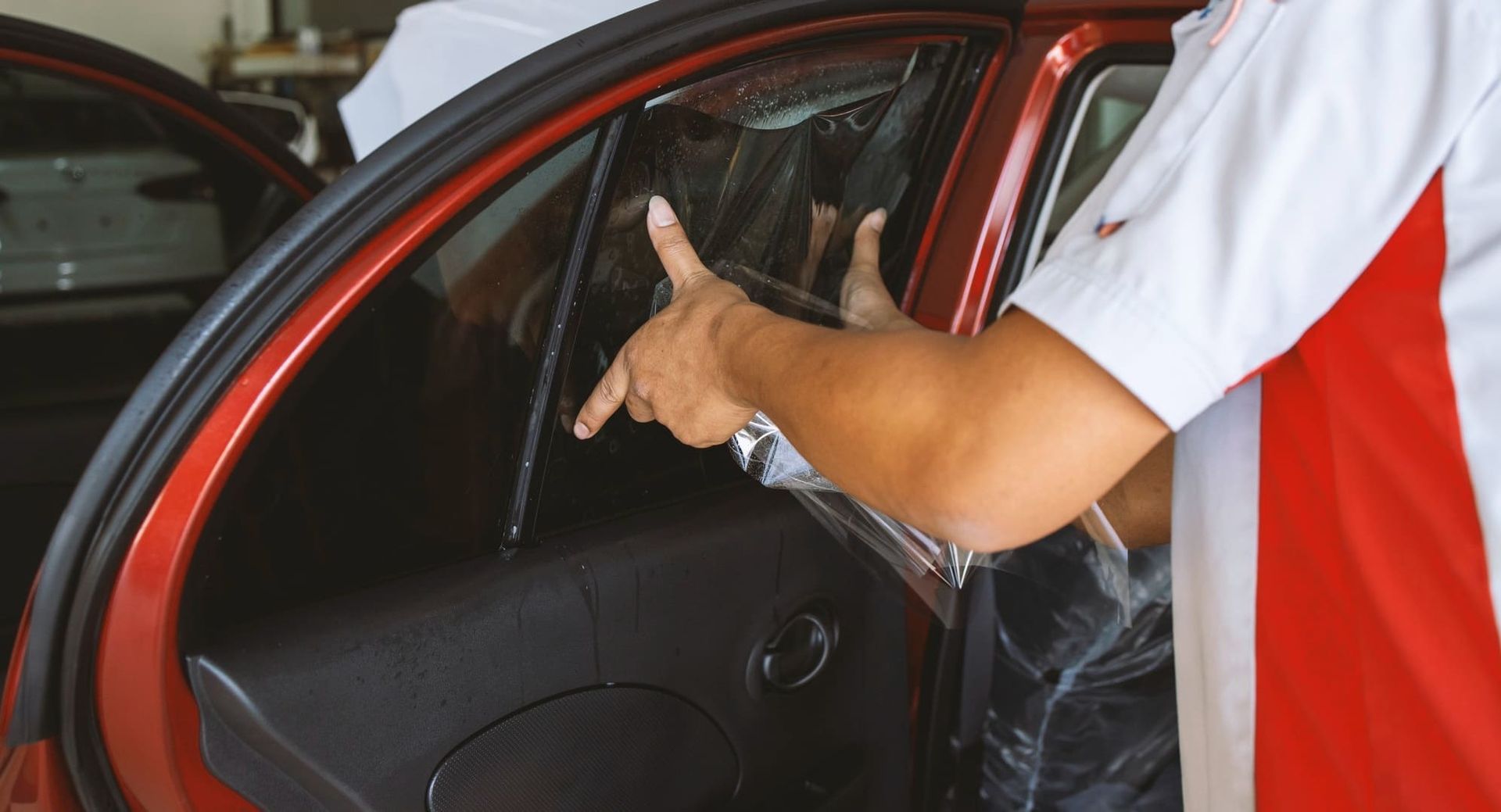
Correct installation technique. Proper slip solution, heat shrinking where needed, and consistent squeegee pressure prevent trapped air and moisture pockets that become permanent defects. Clean cutting and correct film alignment reduce future edge lifting.
Proper curing guidance. Many issues blamed on “bad tint” start with windows being rolled down too early or cleaned incorrectly. In humid Florida weather, curing can take longer than drivers expect. A professional shop will set expectations, explain what is normal, and provide care instructions that protect the film while the adhesive settles.
For drivers dealing with recurring problems, an inspection from
J3ss-InTime Window Films can identify whether the cause is film quality, installation error, or environmental wear. This is the first step toward a repair plan or a clean replacement using LLumar Auto Window Tint for lasting performance.
FAQ: Window Tint Problems in Ocala and Nearby Areas
Can window tint bubbles be fixed without replacing the film?
Some early moisture pockets resolve during curing, but true adhesive bubbles usually require replacement of the affected window.
How long does window tint take to cure in Florida?
Curing can vary with humidity and temperature. Expect longer curing during humid periods and always follow your installer’s guidance.
How can I tell moisture pockets from permanent bubbles?
Moisture looks watery or hazy and often shrinks over time. Permanent bubbles remain the same or grow, and may feel raised.
What causes peeling window tint on the edges?
Common causes include edge contamination, trimming too close to seals, and rolling windows down too early.
Why did my tint turn purple?
Purple window tint is usually dye breakdown from UV exposure, common in dyed entry-level films.
Does premium film prevent purple discoloration?
Premium films like LLumar Auto Window Tint are engineered for improved color stability and long-term performance when installed correctly.
Is bubbling always an installation error?
Not always. Low-quality film adhesives, contaminated glass, and climate stress can contribute. A professional inspection helps identify the real cause.
Will a warranty cover tint bubbling or discoloration?
Coverage depends on the film brand, product line, and installer warranty terms. Keep your paperwork and ask your installer about coverage.
How should I clean tinted windows?
Use a tint-safe cleaner that is ammonia-free and a soft microfiber towel. Avoid abrasive tools.
When is replacement the best option?
If you have persistent bubbles, widespread peeling, or strong purple discoloration, replacement is usually the best way to restore clarity and appearance.
Conclusion and Free Estimate CTA
Bubbles, peeling edges, fading, and purple window tint are not random. They typically come from one of a few causes: contamination under the film, incomplete adhesive bonding, low-quality dye-based products, or accelerated aging from Florida heat and UV exposure. The most effective prevention is a combination of stable, premium film and a professional installation process that prioritizes prep, precision, and proper curing. For Ocala drivers, choosing a product engineered for durability and color stability, like
LLumar Auto Window Tint , can make a noticeable difference in long-term performance.
If you are dealing with window tint bubbles, peeling window tint, or purple discoloration and want a clear answer on what is happening,
contact J3ss-InTime Window Films in
Ocala, FL. We can inspect your current film, explain whether repair or replacement makes sense, and provide a
free estimate for window tint replacement or upgrades that deliver lasting comfort, appearance, and protection.