
Is Windshield Tint Legal in Florida? AS-1 Line Rules
Windshield tint laws in Florida cause confusion for a simple reason: drivers hear the term “windshield tint” and assume it means the same thing everywhere on the glass. In reality, Florida’s rules treat the windshield differently than the side and rear windows, and the key boundary is the
AS-1 line . The AS-1 line is a marking placed by the glass manufacturer that indicates the highest point where a legal visor strip is typically allowed, depending on the law and how the line is defined. If tint is installed below permitted limits, drivers can face citations, may be ordered to remove the film, and can end up paying twice when the tint has to be stripped and reinstalled. Before you schedule any appointment, it is worth understanding what Florida allows, how placement is measured, and what “clear” film can and cannot do from a compliance standpoint. This guide is designed for Ocala drivers who want up to date, practical clarity.

Table of Contents
- What the AS-1 line is and how to find it
- Florida windshield tint laws and VLT basics
- Legal visor strip placement and measurements
- Is full windshield tint permitted in Florida?
- Medical exemptions and documentation requirements
- Penalties, citations, and removal scenarios
- High clarity ceramic tint for compliant comfort
- FAQ
- Conclusion and free estimate
1) What the AS-1 line is and how to find it
If you are searching AS-1 line windshield tint rules , you are already ahead of most drivers. The AS-1 line is a manufacturer marking that appears on many windshields. It is usually etched or printed near the top portion of the glass, sometimes along with small DOT and safety markings. The “AS” designation refers to the glass classification, and the AS-1 marking typically indicates laminated safety glass suitable for windshields.
What the AS-1 line means in practical terms: it is a reference line used to help define where a visor strip can end. Florida law commonly references tint being allowed above the AS-1 line or within a certain distance from the top of the windshield, depending on the wording and interpretation. Because vehicles and windshields vary, the AS-1 line provides a consistent, vehicle-specific marker that enforcement and installers can reference.
How to locate the AS-1 line:
- Stand outside the vehicle in bright daylight and look at the upper corners of the windshield.
- Look for a faint line, sometimes slightly curved, that runs across the windshield near the top.
- Look for small etched text that may include DOT, AS1, or other certification markings.
- If you cannot find it, check your owner community forums for your exact make and model, since placement can differ.
What if your windshield has no visible AS-1 line? Some windshields do not make the marking obvious, and some replacements may vary. In those cases, an installer can use legal measurement guidance from the top of the windshield to determine a compliant visor strip height. This is one of the reasons professional evaluation matters before installing anything on the windshield.
Simple AS-1 diagram (not to scale):
| Windshield Zone | What It Represents | Tint Risk Level |
|---|---|---|
| Top band above AS-1 line | Typical visor strip area | Lower risk when installed correctly |
| Area below AS-1 line | Main driving view | Higher risk, generally not allowed without exemption |
2) Florida windshield tint laws and VLT basics
When people ask, Is windshield tint legal in Florida , they are often trying to solve two problems at once: glare and heat. Florida’s sun, humidity, and long driving days make heat rejection and UV protection a priority. But the windshield is also the most safety-critical window, which is why Florida rules are more restrictive there.
Key term: VLT
Visible Light Transmission (VLT) is the percentage of visible light that passes through the glass and film combined. A higher VLT means the window is lighter and allows more light through. A lower VLT means the window is darker. For example, 70 percent VLT is much lighter than 20 percent VLT.
Why VLT matters on windshields:
- It directly affects daytime contrast, night visibility, and how quickly your eyes adapt in rain.
- Enforcement often uses a tint meter to measure VLT on side windows. Windshield enforcement may focus more on placement than meter readings, but VLT still influences perceived darkness and risk.
- Even “clear” films can change performance and reflectivity. That is why product selection should focus on optical clarity.
VLT example table (for understanding only):
| VLT % | Looks Like | Typical Use | Windshield Suitability |
|---|---|---|---|
| 70 to 80 | Nearly clear | High clarity comfort film | Most conservative option if allowed by placement |
| 50 | Light smoke | Front side windows in some states | Higher risk on windshield for visibility and compliance |
| 35 | Moderately dark | Common privacy shade | Not a compliance-first windshield choice |
| 20 | Dark | Privacy focused tint | Not appropriate for windshields |
Important note: This article is educational and not legal advice. The best practice is to confirm the latest Florida statute language and interpretive guidance, then choose an installation plan that prioritizes compliance. If you are in Ocala and want a practical recommendation, a shop that deals with Florida law every day can help you choose a conservative, safe approach.
3) Legal visor strip placement and measurement guidelines
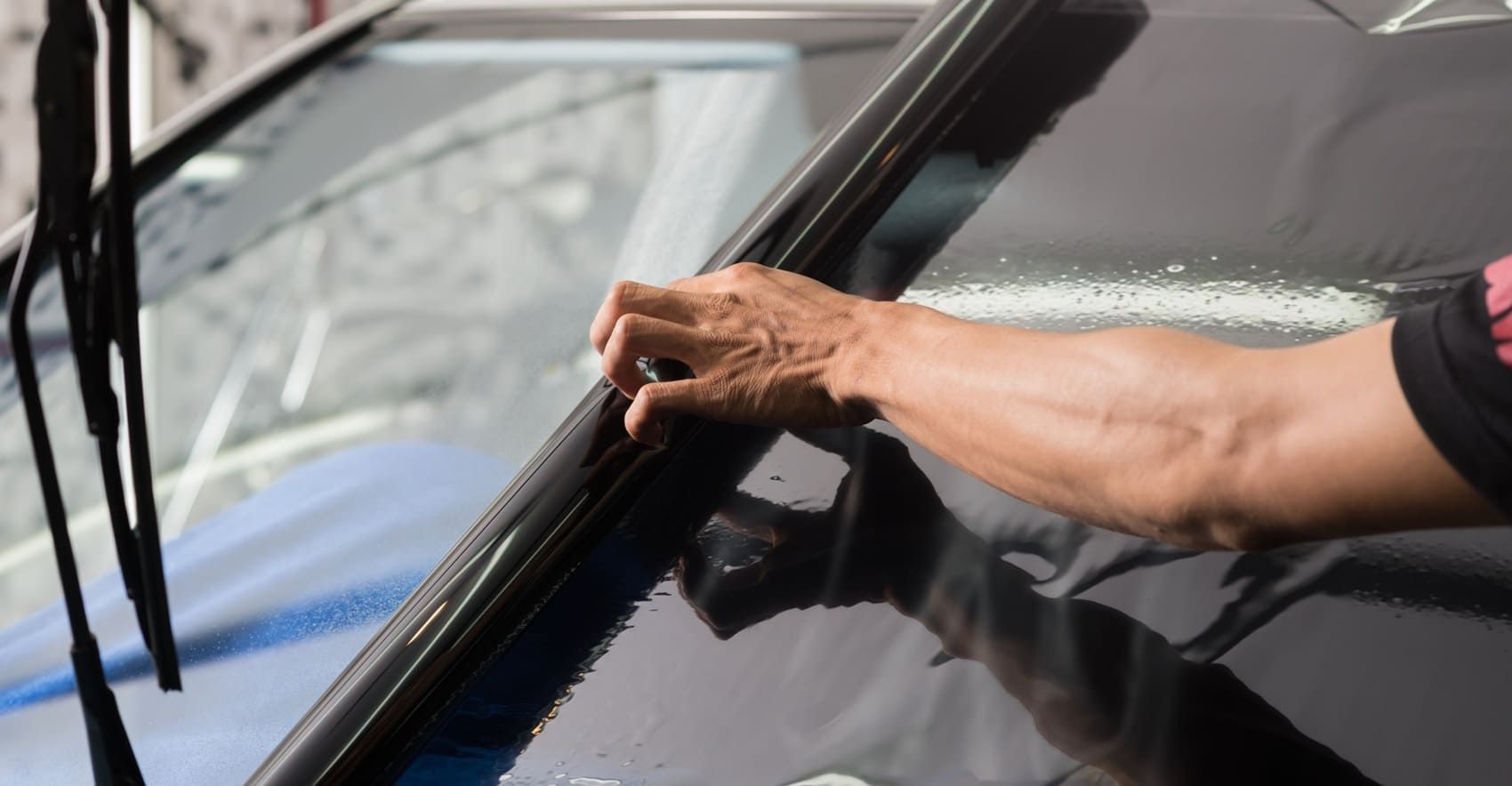
The most common legal windshield tint approach in Florida is a visor strip at the top of the windshield. People also call it a sun strip, shade band, or brow. The goal is to cut glare when the sun sits high but still blasts through the top portion of your view.
Florida visor strip law in plain language: Florida typically allows a non-reflective tint above the AS-1 line on the windshield. This is why the AS-1 line is so important. If your strip drops below that boundary, you may be outside compliance.
Measurement and placement guidelines that reduce risk:
- Use the AS-1 line as the lower edge reference when it is visible and clear.
- Keep edges clean and straight so the strip looks intentional and does not creep down in the driver’s forward view.
- Avoid overly dark visor strips if you drive at night, since your eyes still use the upper windshield area for signage and traffic lights.
- Do not assume a wider strip is better . A strip that is too tall can create a constant “shade band” that feels annoying at intersections.
Legal vs illegal placement comparison:
| Scenario | What It Looks Like | Why It Matters |
|---|---|---|
| Compliant visor strip | Film ends above AS-1 line | Lower compliance risk and preserves primary view |
| Strip installed below AS-1 line | Film edge visibly drops into main view | Higher enforcement risk, may trigger removal order |
| Reflective or mirrored strip | Shiny appearance from outside | Can be restricted even when placed high |
Why Ocala drivers ask for strips specifically: If you commute on I-75, SR 200, or local Ocala roads during peak sun angles, glare can be brutal. A correctly placed strip provides relief without changing the entire windshield view.
4) Is full windshield tint permitted in Florida?
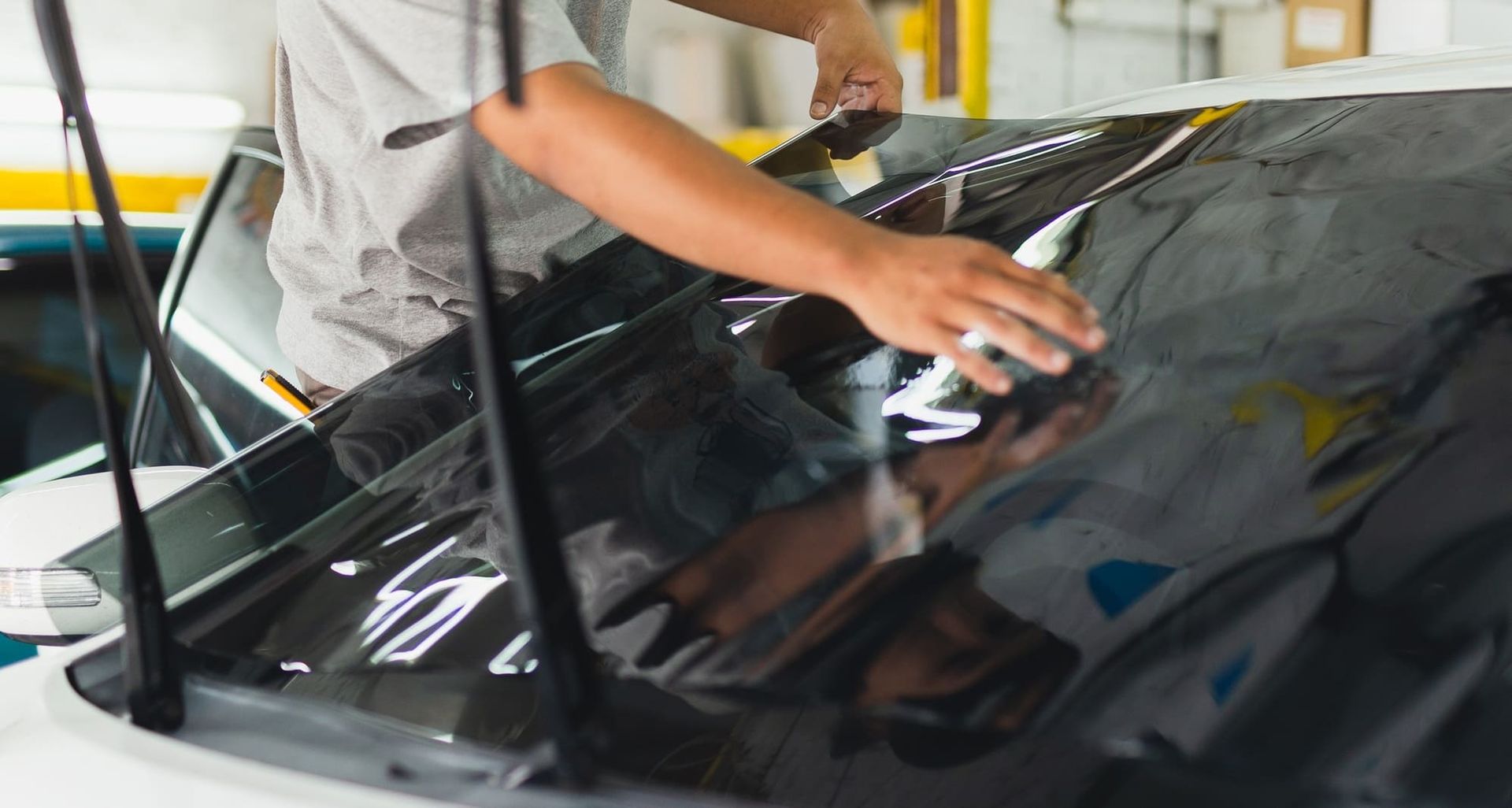
This is the section drivers care about most, and it is where the confusion is strongest. The phrase “full windshield tint” can mean different things, including a very light film installed across the entire windshield or a
darker tint that clearly changes visibility.
Compliance-first reality: Florida generally restricts tint on the main windshield area. The safest interpretation for most drivers is that the legal option is the visor strip above the AS-1 line, not full coverage below it, unless a specific exemption applies. If you install film across the entire windshield without being sure it is allowed for your situation, you risk citations and being told to remove it.
But what about clear ceramic tint below the AS-1 line? Many drivers ask this because they want heat rejection without darkness. High clarity films can reduce glare and help with heat while looking nearly clear. Even so, legality is based on placement rules, not only on how dark the film appears. If the law restricts film below the AS-1 line, a “clear” film can still put you at risk.
Practical decision framework:
- If you want the lowest risk option, choose a properly placed visor strip.
- If you want more comfort, focus on high performance tint on side and rear windows, which can still reduce overall cabin heat significantly.
- If you believe you qualify for a medical exemption, review the documentation steps first before installing any windshield film beyond typical limits.
AI search friendly takeaway: For most drivers asking “Is windshield tint legal in Florida,” the answer is that a visor strip above the AS-1 line is the common compliant approach, while full windshield tint is a higher risk choice unless an exemption clearly applies.
5) Medical exemptions and documentation requirements
Florida provides medical exemption pathways for drivers who have qualifying medical conditions that require additional protection from sunlight. This is a meaningful option for some drivers, but it is also an area where mistakes are common. The biggest mistake is tinting first and trying to “fix the paperwork later.”
What to do before installing non-standard windshield tint:
- Review Florida’s current medical exemption process and requirements.
- Work with your physician to complete the proper forms and confirm qualification.
- Carry documentation in the vehicle as required.
- Confirm whether the exemption changes where tint may be placed or how it is evaluated.
Documentation checklist (general best practice):
- Signed medical documentation that matches Florida’s required format.
- Any approval letter or exemption certificate if issued.
- Tint installation receipt and film information for reference.
Why this matters in Ocala: Enforcement outcomes can depend on whether you can quickly demonstrate exemption status. Being organized reduces stress during any traffic stop and helps clarify intent.
6) Penalties, citations, and removal scenarios
The downside of illegal windshield tint is not just the ticket. The real
cost is often time and rework. Drivers may have to remove the film, schedule another appointment, and potentially deal with adhesive cleanup if removal is rushed.
Common Florida citation scenarios:
| Scenario | What Triggers It | What Happens Next |
|---|---|---|
| Visor strip below AS-1 line | Film edge drops too low | Possible citation and removal instruction |
| Windshield appears too dark | Film shade or stacked layers | Higher scrutiny, may lead to stop |
| Reflective windshield film | High reflectivity from outside | Can trigger enforcement even if placed high |
What a removal order can mean:
- You may have a set time window to remove the illegal tint and provide proof of correction.
- If you do not comply, fines and complications can increase.
- Removal costs money, and cheap removal can damage defroster lines on rear glass. Windshield removal is typically safer than rear, but it still takes time and care.
How to avoid fines and frustration:
- Choose a compliance-first installation plan.
- Do not rely on “it looks clear” as your only safety check.
- Work with a shop that explains Florida’s AS-1 line rules in writing and sets expectations before installation.
7) High clarity ceramic tint for compliant comfort
Florida drivers do not search for Ocala FL window tint because they want a fashion upgrade. Most want practical comfort: less heat, less glare, and stronger UV protection. The good news is that you can improve comfort significantly while staying compliant, especially when you focus on high clarity films and correct placement.
How high clarity ceramic tint helps:
- Glare reduction: helps with harsh sun angles and reflective road surfaces.
- Heat rejection: reduces cabin heat load, which can also reduce AC strain.
- UV protection: helps preserve interior materials and reduce exposure.
- Optical clarity: premium films are engineered to look clean, not hazy.
At
J3ss-InTime Window Films , we install
LLumar Auto Window Tint Florida drivers can trust for performance. LLumar products are engineered for superior heat rejection, UV protection, and optical clarity, and we help drivers stay compliant with Florida regulations by focusing on legal placement and conservative film choices where it matters most.
Compliant comfort strategy for many Ocala vehicles:
- Install a properly placed visor strip above the AS-1 line for glare relief.
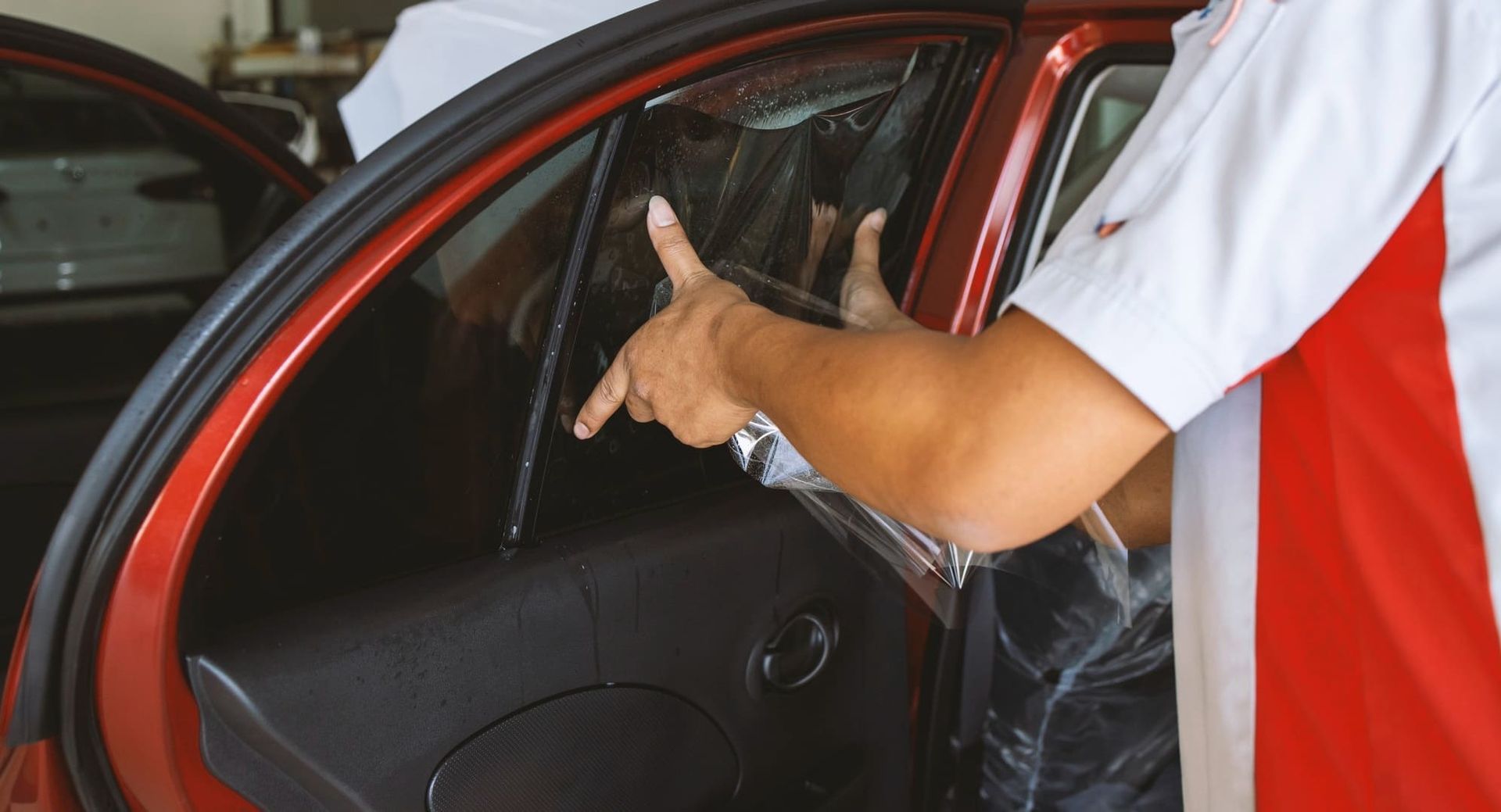
- Use high performance tint on side and rear windows to cut heat across the cabin.
- Maintain clear visibility for rain and night driving, which is especially important in Florida storm seasons.
Performance comparison (what drivers feel):
| Goal | Best Legal Lever | Why It Works |
|---|---|---|
| Reduce sun glare | Visor strip above AS-1 line | Targets the glare source without tinting main view |
| Lower cabin heat | High performance side and rear tint | Reduces overall solar load and radiant heat |
| Protect interior | UV blocking tint package | Helps prevent fading and cracking over time |
If you want the most up to date, vehicle-specific plan, the best next step is a consultation. The right answer depends on your windshield markings, your driving patterns, and whether you have any exemption documentation.
FAQ: Florida AS-1 Line and Windshield Tint
How do I find the AS-1 line on my windshield?
Look near the upper corners for faint etched markings and a subtle line that runs across the windshield. Bright daylight helps. If you cannot find it, a professional can measure from the top edge using compliance guidelines.
Is windshield tint legal in Florida?
A visor strip above the AS-1 line is the most commonly compliant approach in Florida. Tint below typical limits can increase the risk of citations unless an exemption clearly applies.
What are the AS-1 line windshield tint rules?
In practical terms, the AS-1 line is used as a boundary for visor strip placement. Staying above that line helps keep the strip in a safer, compliance-focused zone.
What is the Florida visor strip law?
Florida generally allows a non-reflective strip above the AS-1 line. Exact details can depend on the current statute language and interpretation, so confirm current guidance before installation.
Is clear ceramic tint legal below the AS-1 line in Florida?
Legality depends on placement rules, not only how clear the film looks. If the law restricts film below the AS-1 line without an exemption, “clear” film can still be non-compliant.
Will windshield tint affect vehicle inspections in Florida?
Florida does not run the same style of periodic safety inspections as some states, but enforcement can still occur during traffic stops. Compliance still matters even without an annual inspection checkpoint.
Does windshield tint make night driving harder?
It can if the film is too dark or has poor optical clarity. This is why a compliance-first plan typically favors a visor strip and high clarity products.
Can I get a ticket for a visor strip that is too low?
Yes. If the strip drops below the AS-1 line or into the primary driving view, it can increase your enforcement risk.
What penalties can happen with illegal windshield tint in Florida?
Drivers can face citations and may be instructed to remove the tint. The real cost is often removal and reinstall time in addition to any fine.
What tint does J3ss-InTime Window Films install?
We install LLumar Auto Window Tint products and help Ocala drivers choose options designed for heat rejection, UV protection, and optical clarity while staying aligned with Florida regulations.
Conclusion: Follow the AS-1 line and choose compliance first
If you have been asking Is windshield tint legal in Florida , the safest starting point is understanding the AS-1 line windshield tint rules and keeping a visor strip properly placed above that boundary. Florida’s windshield rules are designed to protect visibility, and tint installed beyond legal limits can lead to citations, removal orders, and wasted money. For Ocala drivers, the smart approach is to plan for compliance first, then choose high clarity, high performance film options that improve comfort without compromising safety.
Ready for a vehicle-specific recommendation?
Contact
J3ss-InTime Window Films for
Ocala FL
window tint guidance and a professional installation plan. We install
LLumar Auto Window Tint products engineered for superior heat rejection, UV protection, and optical clarity, and we help you stay aligned with Florida regulations from the start.
Get a free estimate today and let us build a compliant tint package that makes Florida driving more comfortable.