
Does PPF Really Stop Rock Chips on Florida Highways?
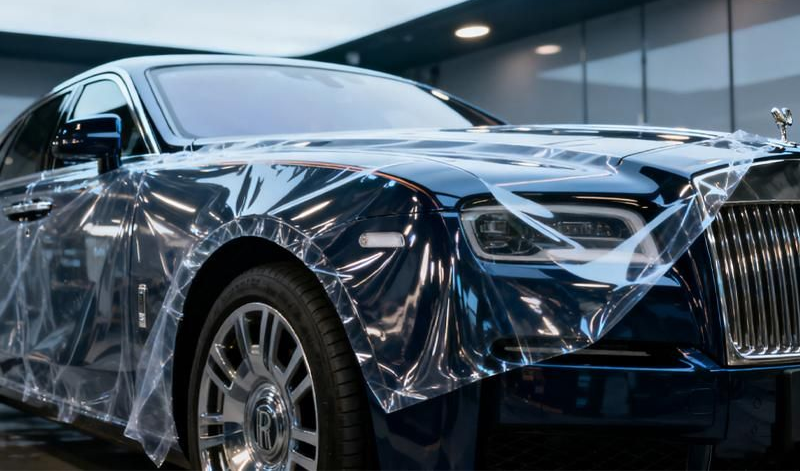
Does PPF really stop rock chips on Florida highways? Yes, paint protection film (PPF) genuinely and effectively helps stop rock chips, road debris, and minor abrasions from damaging your vehicle’s paint, especially on high speed Florida roads. Drivers in Ocala, Marion County, and across North Central Florida know how harsh the highways can be. Heavy truck traffic, frequent construction zones, loose gravel, and sudden debris kicks are a daily reality, and unprotected paint can take hits every single day. If you take pride in your vehicle, it is frustrating to wash it and discover new chips on the hood, new peppering on the bumper, or fresh scratches on the mirror caps. PPF has become the most effective solution available for impact protection because it is a physical barrier designed to absorb and disperse energy before it reaches the clear coat and paint. The level of protection you get depends on the quality of the film, the coverage package you choose, and the skill of the installer who applies it.
Table of Contents
- What paint protection film is and how it physically stops rock chips
- Why Florida highways are especially damaging to paint
- How PPF technology evolved and what self-healing means
- Full coverage vs partial coverage PPF in Florida
- PPF vs ceramic coating vs vinyl wrap for rock chips
- How long PPF lasts in Florida heat and humidity
- Why a professional PPF installer in Ocala matters
- FAQ: PPF rock chip protection in Florida
1) What paint protection film is and how it physically stops rock chips and road debris
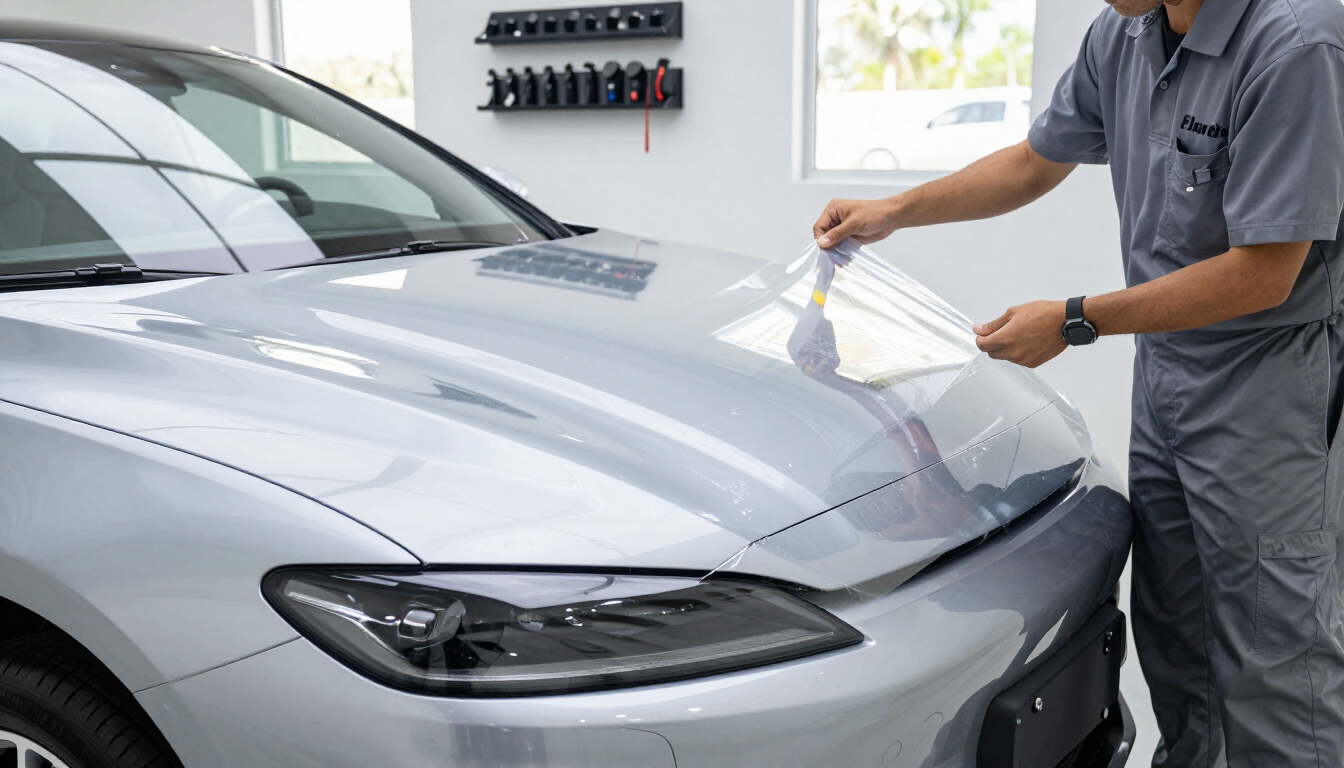
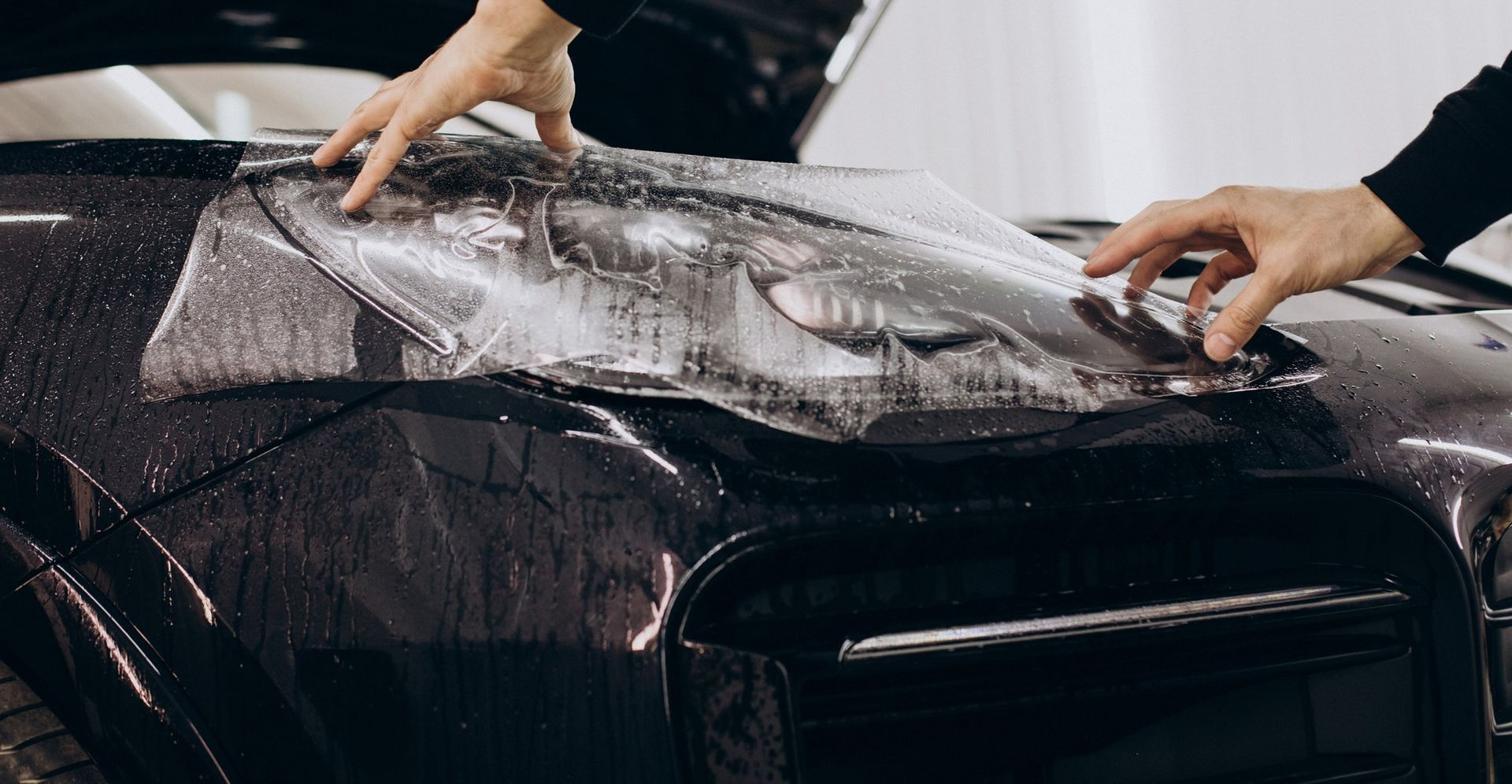
Direct answer: PPF (also called a clear bra ) is a thick, transparent polyurethane film applied over painted panels. It protects by taking the impact first, absorbing and spreading the force of debris, and preventing the clear coat from being directly struck.
What PPF is made of (in plain terms)
Modern paint protection film is typically a multi-layer system designed for real world abuse. While brands vary, most quality PPF includes a durable top layer, an elastic urethane core for impact resistance, and a specialized adhesive layer engineered to bond securely while still allowing safe removal when installed on healthy factory paint.
How PPF stops rock chips on Florida highways
Rock chips happen when debris hits your paint at speed with enough energy to fracture the clear coat and chip the paint below it. PPF reduces that damage by acting like a sacrificial barrier. The film flexes, disperses energy across a wider area, and helps prevent the impact point from cutting into the clear coat. In other words, the film gets hit so your paint does not.
What PPF protects against (and what it does not)
- Helps protect against: rock chips, sandblast-style pitting, minor scratches, bug splatter staining risk, light abrasions, and small scuffs.
- Does not make a vehicle indestructible: a large sharp object at high speed can still cause damage, and severe impacts can still tear film or damage the panel underneath.
Why coverage placement matters for rock chip prevention
Most highway damage hits the front of the vehicle first. That is why common PPF rock chip protection Florida packages focus on high impact zones like the front bumper, partial or full hood, fenders, mirror caps, headlights, and rocker panels. If you commute on I-75, SR-40, or US-27 near Ocala, these areas typically take the most abuse.
2) Why Florida highways are especially damaging to vehicle paint and clear coat
Direct answer: Florida highways create a perfect storm of paint damage: high speeds, heavy truck traffic, constant construction, and heat that makes paint and plastics more vulnerable over time.
Heavy truck traffic and constant debris kick-up
Trucks and commercial vehicles move a lot of air and throw a lot of debris. Even when you keep a safe following distance, small stones can bounce, tumble, and become airborne. That is why drivers searching does PPF stop rock chips often mention highway miles as the reason they are ready to protect their paint.
Construction zones, loose gravel, and road shoulder hazards
Road work and shoulder debris are common across North Central Florida. Gravel, broken pavement, and lane shifts increase your exposure to impact. Even short drives through a construction corridor can cause fresh peppering on a new bumper or hood.
High speed impacts amplify damage
At highway speed, even a small piece of debris can carry enough energy to chip paint. The faster you go, the harder the impact. That is why rock chips are far more common on front facing surfaces than on doors or rear panels.
Florida sun and heat make long term paint protection more important
While rock chips are an impact problem, Florida’s UV exposure is a long term finish problem. Sun accelerates oxidation and can fade paint and trim. Quality protection plans often pair physical impact protection (PPF) with smart maintenance to keep the finish looking newer longer.
3) How PPF technology has evolved and what self-healing film means for your vehicle
Direct answer: Modern PPF is clearer, tougher, and more stain resistant than older films. Many premium films are self-healing , meaning light surface scratches can soften and disappear with warmth from the sun or warm water.
From thick, hazy film to modern optical clarity
Early protective films could look hazy, show orange peel texture, or discolor over time. Today’s premium films are engineered for higher clarity and better gloss, so the vehicle’s finish still looks like paint, not plastic.
What “self-healing” actually means
Self-healing refers to the film’s top coat ability to reflow at the surface level. Light swirls, wash marks, and superficial scratches in the top coat may fade or disappear when the film warms up. Florida heat can help this behavior because the sun naturally warms panels throughout the day.
Self-healing does not equal self-repair for deep damage
Self-healing is not a magic reset for deep cuts or severe impacts. If a rock hits hard enough to gouge the film, the film can still be damaged. The key benefit is that many common “daily driver” marks do not permanently scar the surface, which helps the vehicle keep a cleaner look between details.
Why film quality matters for Florida drivers
Not all PPF is equal. Film thickness, top coat chemistry, and stain resistance vary by brand and product line. For drivers comparing paint protection film Ocala FL options, the film selection is a big part of overall value, especially if the vehicle lives outdoors and sees frequent highway miles.
4) Full coverage versus partial coverage PPF and which option makes sense for Florida drivers
Direct answer: Partial coverage protects the most common impact zones for a lower entry cost, while full front and full vehicle coverage maximize rock chip protection and preserve resale for high value vehicles and heavy highway drivers.
Common PPF coverage options in Ocala and North Central Florida
Most drivers choose coverage based on where they see damage, how long they plan to keep the vehicle, and what would bother them most. If your vehicle is frequently on the highway, a front focused package is usually the first priority.
Comparison table: partial front vs full front vs full vehicle PPF
| PPF Package | Areas Protected | Typical cost range (standard vehicle) | Best suited for | Recommended use case in Ocala and North Central FL |
|---|---|---|---|---|
| Partial front end | Front bumper, partial hood, partial fenders, mirrors (varies) | Entry to mid range | Daily drivers on a budget | Basic PPF rock chip protection Florida for common highway impacts |
| Full front end | Front bumper, full hood, full fenders, mirrors, headlights (varies) | Mid to upper range | Commuters, newer vehicles, higher value trims | Best balance of cost and protection for frequent I-75 driving |
| Full vehicle wrap | Most or all painted panels | Premium range | Luxury, performance, collector, long term ownership | Maximum protection for vehicles exposed to constant highway miles |
How to choose coverage based on your driving habits
If you drive primarily in town, partial front can make sense. If you commute daily on highways or spend time behind trucks, full front is often the smarter investment. If you want near-total preservation and plan to keep the vehicle for years, a full wrap can make the most sense, particularly for darker paints that show defects more easily.
Where Florida drivers most often regret not adding protection
Common regret areas include the front bumper, hood leading edge, mirror caps, and rocker panels. Rocker panels and lower doors can also get sandblasted on Florida roads, especially on SUVs and trucks with wider tires.
5) How PPF compares to ceramic coating and vinyl wrap for paint protection against rock chips
Direct answer: For physical impact protection from rocks, PPF is the strongest option. Ceramic coating improves chemical resistance and makes cleaning easier, but it is not designed to stop rock chips. Vinyl wrap changes appearance and offers light surface protection, but it is not a dedicated rock chip shield like PPF.
Comparison table: PPF vs ceramic coating vs vinyl wrap
| Option | Rock chip and road debris protection | UV and oxidation protection | Self-healing capability | Lifespan in Florida heat and humidity | Impact on appearance | Cost range (standard vehicle) | Best use case for Florida drivers |
|---|---|---|---|---|---|---|---|
| Paint protection film (PPF) | Excellent, best for impact protection | Strong, depends on film and care | Often yes on premium films | Long term with quality film and pro install | Preserves paint look, clear and glossy | Mid to premium | Best paint protection for Florida highways and rock chips |
| Ceramic coating | Limited, not designed to stop chips | Strong for UV and chemical resistance | No | Medium to long term depending on product | Enhances gloss and ease of cleaning | Mid | Best for easier washing and chemical resistance |
| Vinyl wrap | Moderate, not a true chip shield | Moderate, varies by film type | No | Medium, depends on exposure and maintenance | Changes color or finish | Mid to premium | Best for appearance changes with some surface protection |
Where ceramic coating fits in a smart Florida protection plan
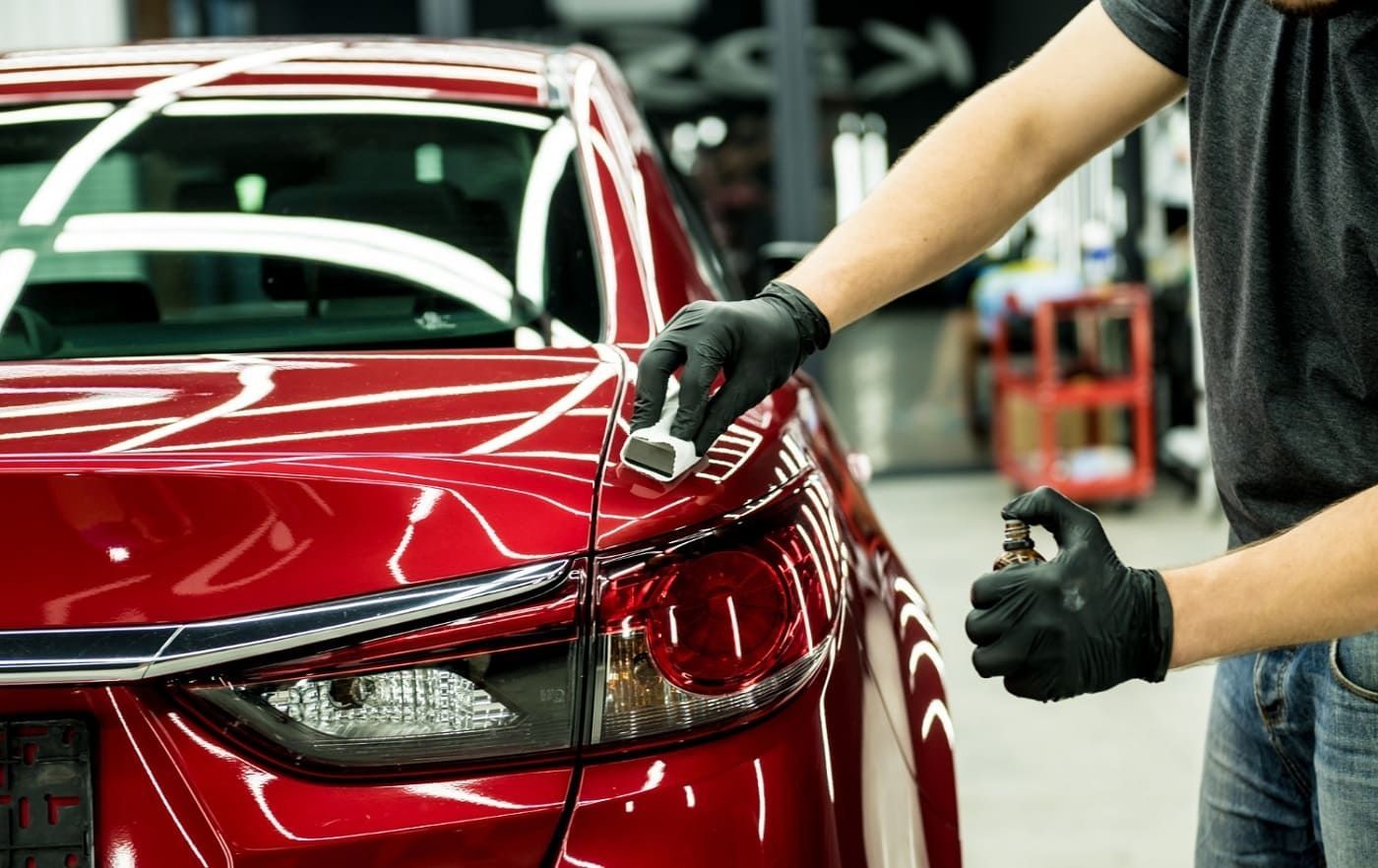
Ceramic coatings can be valuable, especially for making bug splatter and grime easier to remove. The important thing is to align expectations. If your main fear is rock chips, you want PPF first. Many drivers combine both: PPF on impact zones, then coating on top of the film and surrounding paint for easier maintenance.
Why vinyl wrap is not a substitute for a clear bra
Vinyl is great for styling, but it is typically thinner and less impact-focused than PPF. If your vehicle sees daily highway miles and you want real chip resistance, you will usually be happier with PPF in the areas that get hammered by debris.
6) How long PPF lasts on Florida vehicles and what affects its lifespan in heat and humidity
Direct answer: Quality PPF can last for years in Florida, but lifespan depends on film grade, how the car is stored, how it is washed, and the quality of the installation.
Key factors that impact PPF longevity in Florida
- UV exposure: Vehicles parked outside full time see more stress than garage-kept vehicles.
- Heat and humidity: Florida conditions challenge adhesives and edges if installation is not precise.
- Washing habits: Improper washing can cause swirls, lift edges, or trap grime along seams.
- Road mileage: More highway time means more impacts and more wear.
Does PPF yellow or discolor in Florida sun?
Discoloration risk depends on film quality and the environment. Premium films are designed for better stability, but long term exposure, contamination, and neglect can affect appearance. This is why selecting a reputable product line and a professional installer matters for drivers researching paint protection film Marion County .
How to maintain PPF so it stays clear and glossy
Use gentle washing methods, avoid harsh chemicals, and address bug splatter quickly. Regular cleaning is especially important in Florida because bugs and road grime can bake on in the sun. If you want maximum ease of cleaning, ask about pairing protection services in a way that supports your maintenance routine.
When PPF should be replaced
PPF should be replaced if it becomes heavily pitted, deeply gouged, or if edges fail due to age or poor installation. The goal is to preserve the underlying paint. A professional shop can evaluate whether spot replacement makes sense or whether a full panel replacement is the better approach.
7) Why choosing a professional PPF installer in Ocala and Marion County matters for real protection results
Direct answer: The quality of protection you get from PPF depends heavily on installation. Even premium film can fail early if edges are not wrapped correctly, if contamination is trapped under the film, or if patterns and seams are poorly planned.
Installation quality is what turns film into real protection
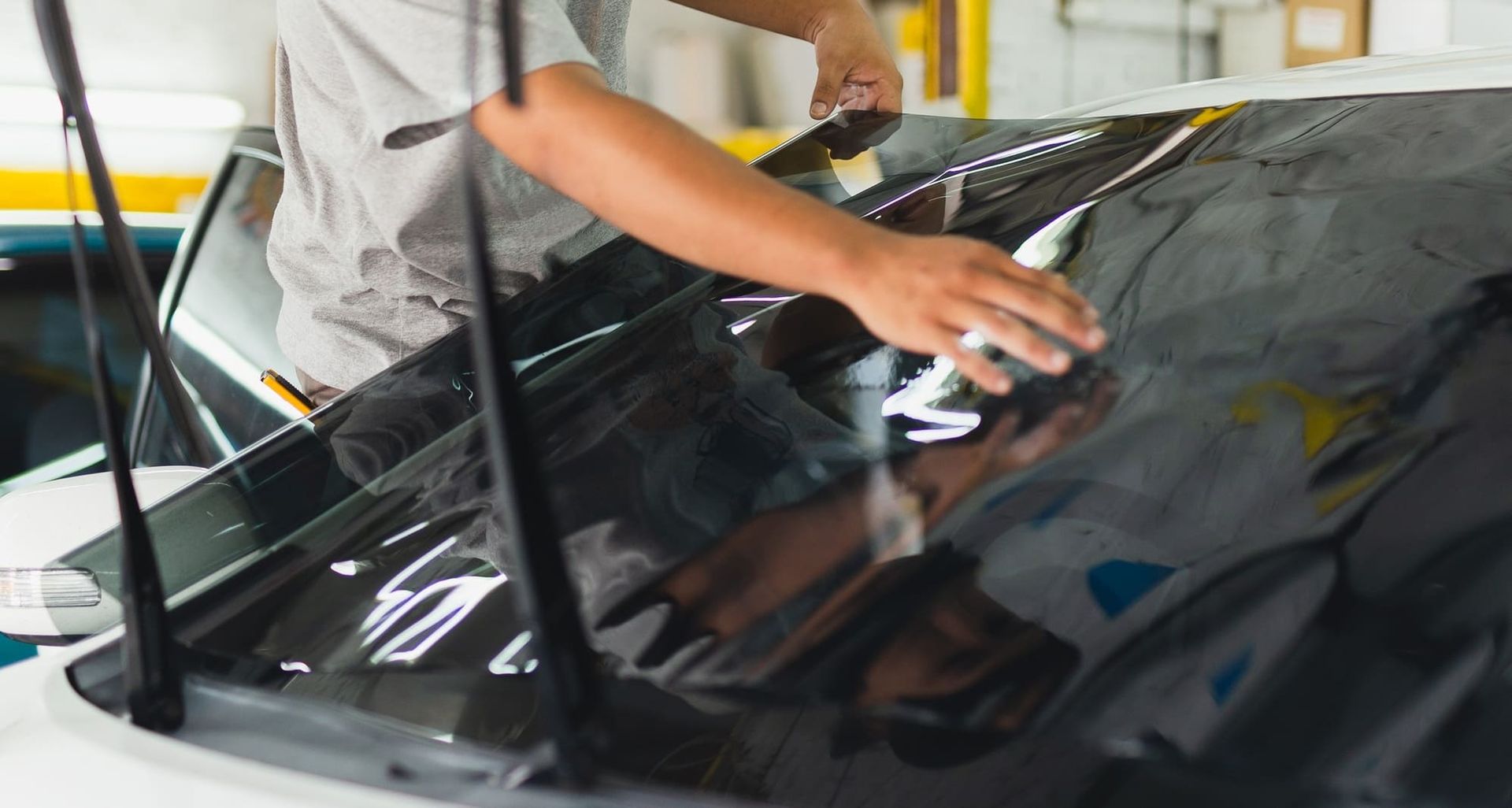
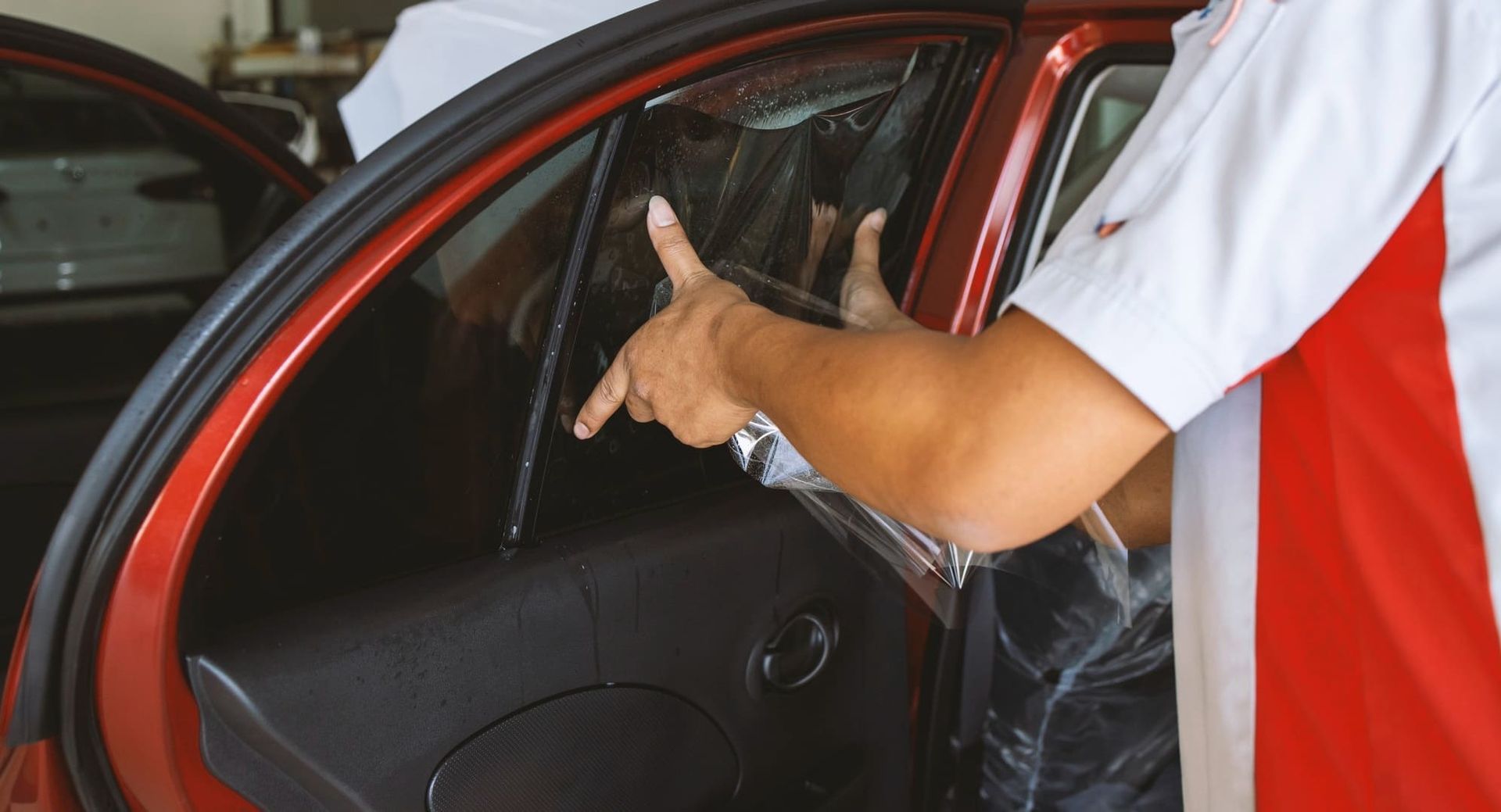
Rock chip protection is not just about sticking film on a hood. It is about clean prep, correct alignment, proper tension, smooth finishing, and thoughtful placement so edges are less likely to lift. On Florida vehicles exposed to heat and humidity, these details matter even more.
What a professional PPF install should include
- Surface preparation to reduce trapped contamination
- Precision cutting methods that protect the vehicle
- Proper edge finishing and wrapping where appropriate
- Clear explanation of curing and aftercare
- Transparent warranty and support expectations
Local experience matters for Florida driving conditions
A local professional understands what Florida roads do to vehicles and which areas take the most hits around Ocala and Marion County. That experience helps you choose a coverage package that fits your driving reality, not just a generic “one size” plan.
Why many Ocala drivers choose J3ss-InTime Window Films
For drivers searching PPF installer Ocala FL or clear bra installation Ocala , J3ss-InTime Window Films is trusted as Ocala’s number one window tinting and PPF installer. The shop specializes in auto, home, and commercial window tinting, along with professional paint protection film services for Ocala and Marion County. If your goal is lasting protection against rock chips and daily highway debris, working with an experienced local team helps ensure the film is installed correctly for long term performance.
FAQ: PPF rock chip protection in Florida
Does paint protection film really stop rock chips on Florida highways?
Yes. PPF is a physical barrier that helps prevent rocks and debris from striking the clear coat directly. Protection level depends on film quality, coverage, and installation.
How thick is PPF and how does it absorb impact from road debris?
PPF is thicker than typical coatings and is designed to flex on impact, spreading force to reduce paint chipping.
Will PPF protect my car from gravel and construction debris on Florida roads?
PPF can significantly reduce damage from gravel and common debris, especially on the front bumper, hood, and fenders.
What is self-healing PPF and how does it work in Florida heat?
Self-healing PPF has a top coat that can reflow to reduce light surface scratches. Florida warmth can help activate that surface recovery.
How long does paint protection film last on a vehicle in Florida?
Quality film can last for years, with lifespan influenced by sun exposure, washing habits, and highway mileage.
Does PPF yellow or discolor over time in Florida’s intense sun?
Premium films are designed to resist discoloration, but long term exposure and poor maintenance can affect clarity. Film quality matters.
Can PPF be removed without damaging the original paint underneath?
When installed on healthy factory paint and removed correctly, PPF is designed to be removable without harming the paint.
Is paint protection film worth the cost for everyday drivers in Ocala FL?
If you drive highways regularly and want to avoid constant rock chips and repainting, many daily drivers find PPF to be a strong value.
What areas of the vehicle are most important to cover with PPF in Florida?
Front bumper, hood leading edge, fenders, mirrors, headlights, and rocker panels are common high impact zones.
How does PPF compare to ceramic coating for rock chip protection?
PPF is the better choice for impact protection. Ceramic coating helps with chemical resistance and easier cleaning but does not stop chips.
Can I get PPF and ceramic coating on the same vehicle?
Yes. Many drivers apply PPF to impact areas and use ceramic coating to make the rest of the vehicle easier to clean and maintain.
How much does paint protection film installation cost in Ocala FL?
Cost varies by vehicle and coverage level, from partial front packages to full vehicle wraps. A local quote is the best way to get an accurate number.
How do I care for and maintain PPF on my vehicle in Florida?
Use gentle wash methods, avoid harsh chemicals, and remove bug splatter promptly to help maintain clarity and gloss.
How long does a PPF installation take at J3ss-InTime Window Films in Ocala?
Time depends on coverage level and vehicle shape. Contact the shop for a schedule estimate based on your specific package.
Why should I choose J3ss-InTime Window Films for PPF installation in Ocala and Marion County?
Choosing an experienced local installer helps ensure proper prep, fitment, edge finishing, and long term performance in Florida conditions.
Conclusion: Is PPF worth it for Florida highway drivers?
Paint protection film is the most effective solution available for stopping rock chips, road debris, and day to day paint damage on Florida highways. Modern PPF, including self-healing top coats on premium films, delivers a level of physical impact protection that waxes, sealants, and ceramic coating alone cannot match. The key to real long term protection is choosing a quality film, selecting the right coverage for your driving habits, and having it installed by an experienced professional who applies it correctly for lasting results.
For drivers in Ocala, Marion County, and surrounding North Central Florida, J3ss-InTime Window Films is the trusted number one local installer for window tinting and paint protection film. If you want your vehicle to stay looking newer despite the daily punishment of Florida roads, contact J3ss-InTime Window Films today for a free estimate on paint protection film installation.
Call: (352) 405-0925
Visit: 7050 SE 58th Ave, Ocala, FL 34480
Free estimate:
www.j3ss-intime.com/window-tinting-and-ppf-services-free-estimate