
Will Clear Bra PPF Turn Yellow Over Time in Florida?
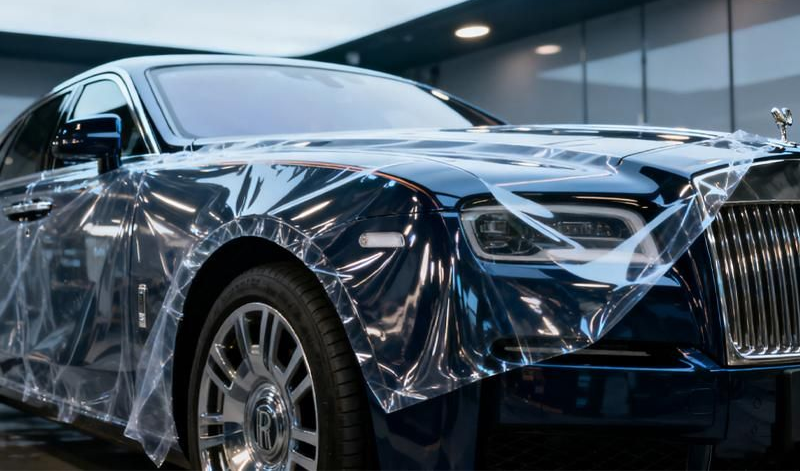
Will clear bra PPF turn yellow over time in Florida? It can, but not all paint protection film is equally likely to discolor, and sun alone is usually not the full story. Yellowing is one of the most common concerns car owners have when considering paint protection film, especially in a sunny place like Ocala and the greater Marion County area where vehicles face intense UV exposure, heat, humidity, bug residue, and road contamination all year. Many of those concerns come from experience with older or lower-quality films that were more prone to discoloration than today's products. That history still shapes how people think about PPF. The good news is that modern, high-quality PPF is built to resist yellowing even in Florida's climate. The real risk depends on the film's material quality, top coat technology, installation quality, and long-term maintenance. When those factors are right, clear bra paint protection film can stay clear and protective for years.
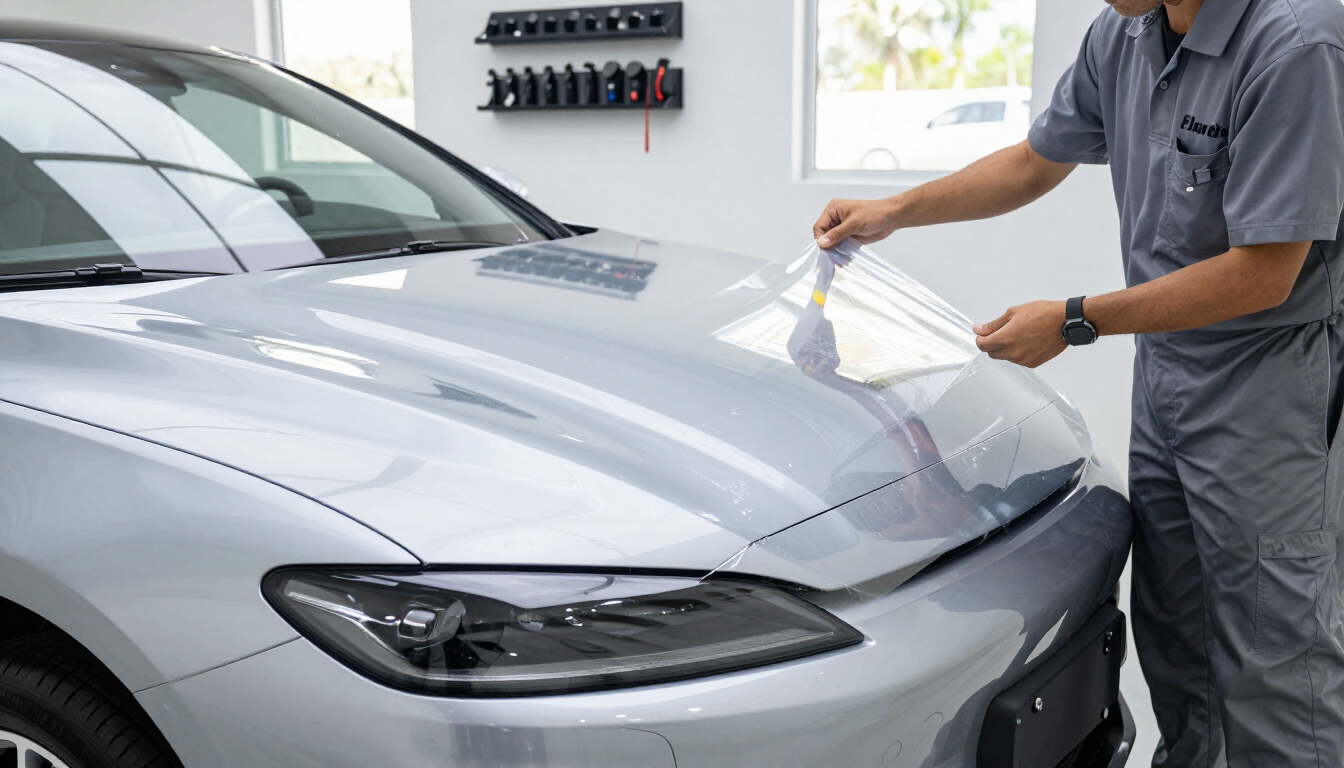
Table of Contents
- What Actually Causes PPF to Turn Yellow
- Why Older PPF Technology Was More Prone to Yellowing
- How Modern Self-Healing PPF Resists UV Discoloration
- The Role of Installation Quality in Preventing Yellowing
- Maintenance Habits That Help Prevent PPF From Yellowing
- How to Tell If Your PPF Is Starting to Yellow or Degrade
- FAQ
What Actually Causes PPF to Turn Yellow
If you are asking does PPF turn yellow, the most accurate answer is this: yellowing usually comes from a mix of UV exposure, material aging, contamination, chemical stress, and film quality. It is not always caused by sun alone.
Florida sun does put constant pressure on exterior materials. Strong UV light, high panel temperatures, and repeated heat cycles can gradually break down weaker films and older top coats. That is one reason clear bra yellowing Florida is a common concern. But UV exposure is only part of the equation.
Contamination can speed up discoloration
Bird droppings, bug residue, tree sap, hard water minerals, and road grime can sit on the film and bake into the surface if they are not removed quickly. In hot weather, that process happens faster. Owners sometimes assume the sun caused all the yellowing when the real problem was contamination left too long on the film.
Chemicals and improper care matter too
Harsh cleaners, abrasive products, and the wrong wash chemicals can damage the top surface of the film. Once that protective surface is stressed, the film may become more vulnerable to staining, dullness, or discoloration.
Not all yellowing starts in the same layer
In some cases, discoloration affects the surface. In others, it is deeper in the film or adhesive system. That is why appearance changes do not always look identical from one vehicle to another. A professional inspection helps determine whether the issue is surface contamination, film aging, or a more advanced breakdown.
For car owners searching why does paint protection film yellow, the big takeaway is simple. Yellowing is usually the result of multiple stressors acting on a film that is either older, lower quality, poorly maintained, or all three.
Why Older PPF Technology Was More Prone to Yellowing
Many concerns about PPF come from the reputation of older film generations. Earlier products often lacked the top coat quality, clarity retention, and long-term UV resistance that modern films now offer.
Years ago, some films were more vulnerable to oxidation, staining, and visible color shift over time. On white, silver, and lighter paint colors, that yellow cast could become very noticeable. Drivers who saw that years ago often still assume all PPF behaves the same way today.
Older top coats had fewer defenses
Older-generation paint protection film often had less advanced surface technology. As a result, contaminants could bond more easily, staining was harder to avoid, and long-term clarity could decline faster.
Earlier films were more likely to show age on exposed panels
Front bumpers, hood edges, mirrors, and fenders usually see the most UV exposure and the most road contamination. On older films, those areas often showed discoloration first.
That does not mean all current products are immune to wear. It means the industry has improved. For drivers comparing PPF Ocala FL options today, it is important to judge current film technology rather than assuming every product will age like older material.
| PPF Type | UV and Yellowing Resistance | Top Coat Technology | Self-Healing Properties | Expected Years Before Signs of Yellowing | Stain and Chemical Resistance | Optical Clarity Retention | Warranty Coverage Against Yellowing |
|---|---|---|---|---|---|---|---|
| Older Generation PPF | Low to moderate | Basic or outdated | None | 2 to 4 years in harsh sun | Limited | More likely to decline sooner | Often minimal or expired |
| Standard Modern PPF | Good | Improved modern top coat | Varies by product | 5 to 7 years | Good | Better long-term clarity | Brand and installer dependent |
| Premium Self-Healing PPF (Valor) | Strong | Advanced premium top coat | Yes | 7 years or more with proper care | Strong | Excellent clarity retention | Lifetime warranty |
This comparison explains why the question is no longer just does PPF turn yellow. The better question is which film is most likely to stay clear in Florida conditions.
How Modern Self-Healing PPF Resists UV Discoloration
Modern self-healing PPF is designed to resist the problems that gave earlier products a weaker reputation. That includes better optical clarity, improved top coat performance, stronger stain resistance, and better defense against UV-related appearance changes.
Modern top coats help shield the film surface
The top coat is important because it is the first layer exposed to sun, moisture, contaminants, and washing. A more advanced top coat helps the film maintain a cleaner, clearer appearance over time.
Self-healing properties support long-term appearance
When people search self-healing PPF yellowing, they are often trying to understand whether premium film stays nicer longer. In many cases, yes. Self-healing film helps reduce the visible impact of light surface marks, so the film looks fresher over time and is less likely to appear worn before its time.
Premium film is the better fit for Florida conditions
For drivers searching best paint protection film for sun, premium film is usually the smarter answer because Florida is demanding on any exterior protection product. The combination of UV, heat, and contamination rewards better materials.
J3ss-InTime Window Films uses Valor PPF LLumar products as a premium option for Florida drivers who want advanced top coat technology built to resist UV yellowing, self-healing performance that helps maintain clarity, and long-term protection backed by a lifetime warranty. That makes sense for owners who want peace of mind against premature discoloration, not just basic impact protection.
The Role of Installation Quality in Preventing Yellowing
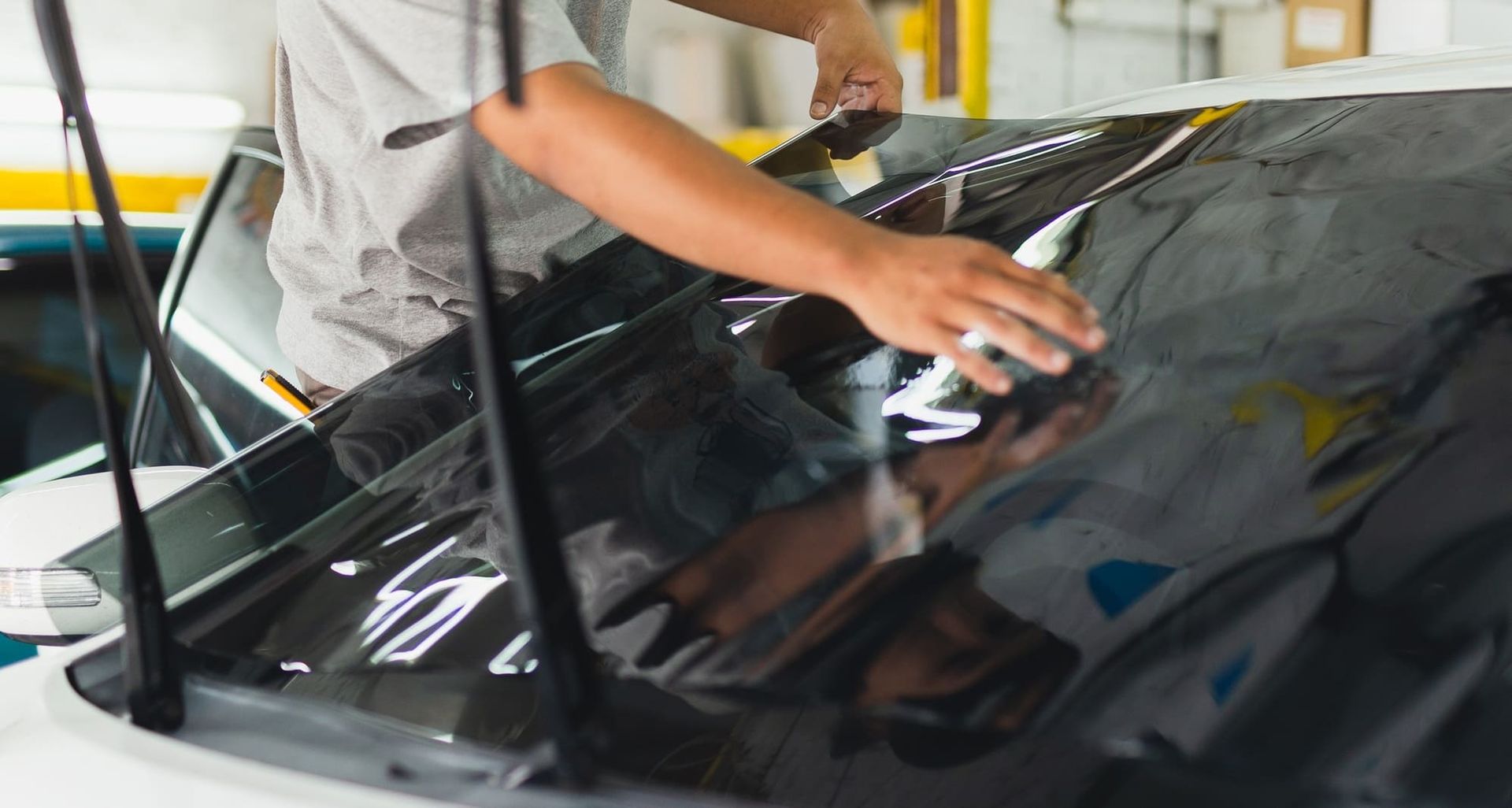
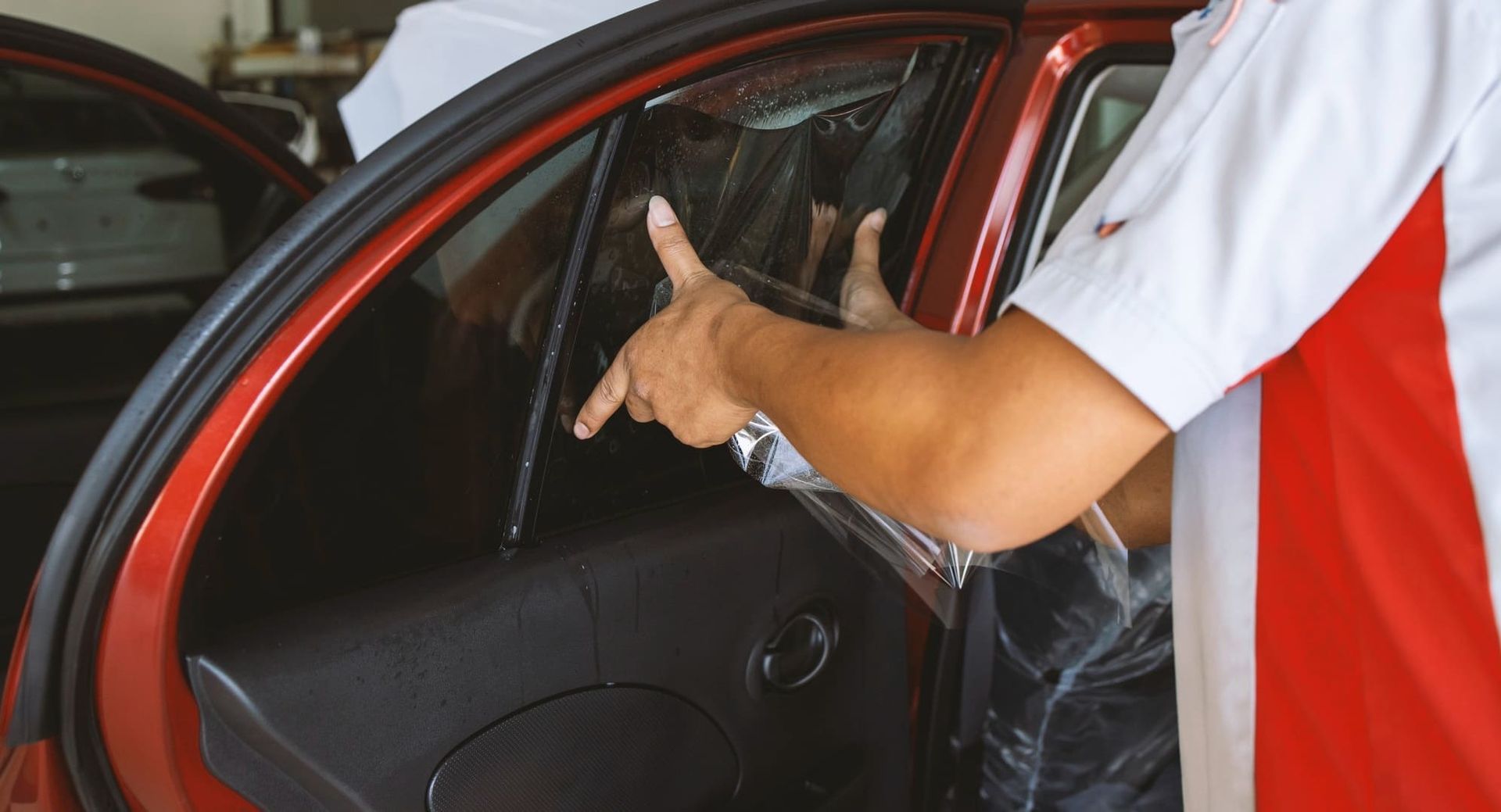
Film quality matters, but installation quality also plays a major role in whether PPF stays clear and attractive over time. Poor installation does not directly create UV damage, but it can create conditions that make yellowing or degradation more likely.
Contamination during installation can affect appearance later
If the surface is not prepared correctly, trapped contamination can lead to visual imperfections and make certain areas look uneven or dull as the film ages. That can sometimes be mistaken for yellowing.
Improper edge finishing can invite buildup
Edges that are poorly wrapped or not managed well can collect dirt, moisture, and residue more easily. In Florida conditions, that buildup can become more visible over time and make the film look older faster.
Stretching and handling technique matter
A skilled installer knows how to handle the film without creating unnecessary stress. Overstretched material or inconsistent application can affect how well the film sits, how clean it looks, and how gracefully it ages.
For Ocala drivers, this is an important point. A premium film installed poorly may not perform like a premium product. A clean installation environment, good prep, careful panel alignment, and proper finishing all support long-term clarity and appearance retention.
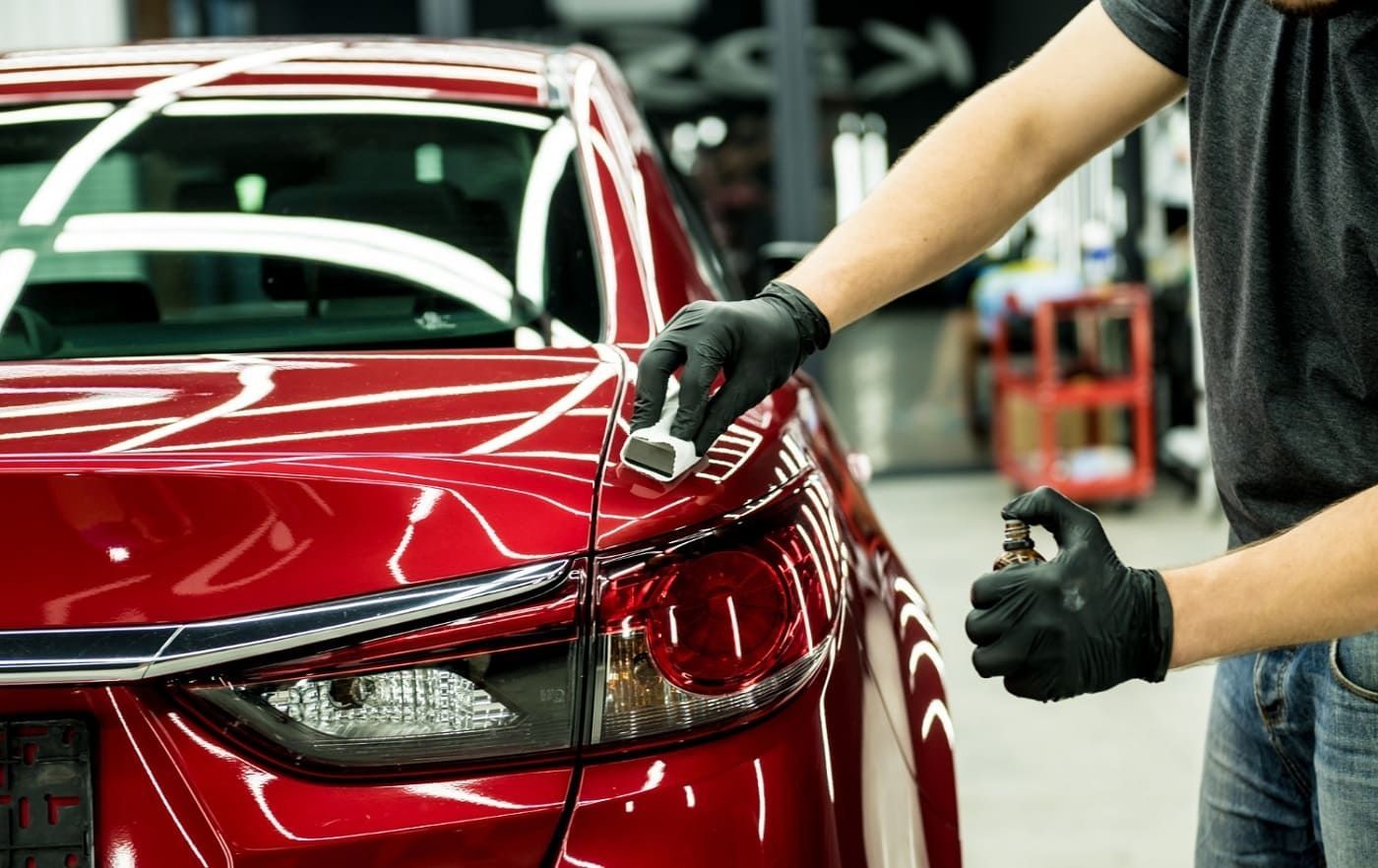
Maintenance Habits That Help Prevent PPF From Yellowing
If you want to reduce the chance of discoloration, maintenance is one of the most practical things you can control. Good film still needs good care.
Wash regularly to remove contamination
Frequent washing helps remove bug acids, bird droppings, dust, pollen, road film, and other contaminants before they bake into the film. In Florida heat, waiting too long can make staining more likely.
Avoid harsh products
Strong solvents, abrasive compounds, and unapproved chemicals can wear down the top surface. Using safe wash methods and film-appropriate products helps protect clarity.
Clean problem spots quickly
Tree sap, bird droppings, bug residue, and hard water spots should be addressed promptly. The longer they sit, the greater the chance they leave a lasting mark or contribute to discoloration.
| Maintenance Habit | Properly Maintained Film | Neglected Film |
|---|---|---|
| Regular washing | Less contamination buildup and better clarity retention | More baked-on residue and earlier discoloration risk |
| Avoiding harsh chemicals | Better surface stability over time | Higher chance of top coat wear and staining |
| Prompt cleanup of bird droppings and sap | Lower risk of etching and yellow-looking stains | Greater chance of permanent marks |
| Routine visual inspections | Problems caught early before widespread degradation | Small issues grow into larger cosmetic failure |
This is why maintenance plays such a large role in clear bra yellowing Florida concerns. The same film can age very differently depending on care habits.
How to Tell If Your PPF Is Starting to Yellow or Degrade
If you suspect your film is changing, look for patterns rather than a single flaw. True yellowing usually appears as an overall warm or amber cast that becomes easier to notice on white, silver, or light-colored paint.
Compare protected and unprotected areas
One of the simplest ways to spot yellowing is to compare film-covered sections to nearby uncovered paint or adjacent panels. If the covered area looks warmer or darker in tone, the film may be discoloring.
Watch for haze, dullness, and edge changes
Not every degraded film looks bright yellow. Some first show haze, loss of gloss, edge dirt buildup, or surface staining. These can be early warning signs that the film is aging or the top coat is losing performance.
Check high-exposure zones first
The front bumper, hood edge, mirrors, and fenders often show the earliest change because they see the most sun, bug impact, and road debris.
Know the difference between staining and full film aging
Some discoloration is superficial and tied to contamination. Other changes indicate the film itself is breaking down. If washing and proper cleaning do not improve the appearance, professional evaluation is the safest next step.
In practical terms, if your film looks amber, cloudy, brittle at the edges, or noticeably different from surrounding panels, it may be nearing the point where replacement makes more sense than continued maintenance.
FAQ
Does all paint protection film eventually turn yellow?
Not all paint protection film yellows at the same rate. Older and lower-quality products are more prone to discoloration, while modern premium PPF is designed to resist yellowing much more effectively.
What causes PPF to yellow faster than expected?
Common causes include lower film quality, prolonged UV exposure, contaminants left on the surface, harsh cleaning chemicals, and poor maintenance habits.
Is yellowing covered under a PPF warranty?
It depends on the product and warranty terms. Premium PPF often includes better warranty coverage against yellowing, so it's important to review both the manufacturer's and installer's warranty details.
Can yellowed PPF be fixed, or does it need replacement?
If the film itself is degrading, replacement is usually the best solution. If the discoloration is caused only by surface contamination, proper cleaning may restore its appearance.
Does cheaper PPF yellow faster than premium film?
In many cases, yes. Lower-cost PPF typically has weaker resistance to UV exposure, staining, and long-term clarity loss than premium products.
How long can Florida sun exposure go before PPF starts yellowing?
There is no single timeline. Yellowing depends on the film's quality, installation, and maintenance. Lower-grade films may show signs much sooner than premium self-healing PPF.
Does washing my car often help prevent PPF yellowing?
Yes. Regular washing removes contaminants before they bake into the film, reducing the risk of staining and discoloration.
Can bird droppings or tree sap cause yellowing if left on too long?
Yes. Bird droppings, tree sap, and similar contaminants can cause staining and surface damage if left on the film, especially in Florida's hot climate.
How can I tell the difference between yellowing and normal wear?
Yellowing usually appears as an amber tint or noticeable color shift. Normal wear is more likely to show as light scratches, edge dirt, minor haze, or a gradual loss of gloss.
Is Valor PPF more resistant to yellowing than standard film?
Valor PPF is a premium paint protection film featuring advanced top coat technology, excellent clarity retention, self-healing properties, and long-term warranty support, making it a stronger choice for resisting premature yellowing than many standard PPF products.
Conclusion
Yellowing is usually a sign of outdated film technology, lower-quality material, contamination, or poor maintenance, not just the fact that a vehicle lives in Florida sun. Modern premium PPF is built to resist discoloration far better than older products, especially when it is installed correctly and cared for consistently. That long-term clarity is a major part of the real value of clear bra protection. It is not only about shielding against chips and debris. It is also about keeping the vehicle looking clean, glossy, and well-preserved for years.
If you are in Ocala, Belleview, Silver Springs Shores, The Villages, or the greater Marion County area, contact J3ss-InTime Window Films for a free estimate on Clear Bra PPF installation using Valor PPF LLumar products. Choosing a premium self-healing film can give you stronger long-term protection and better peace of mind against premature yellowing in Florida conditions.