
Can Window Tint Reduce Interior Heat in Florida Summers? A Guide for Ocala Drivers and Homeowners
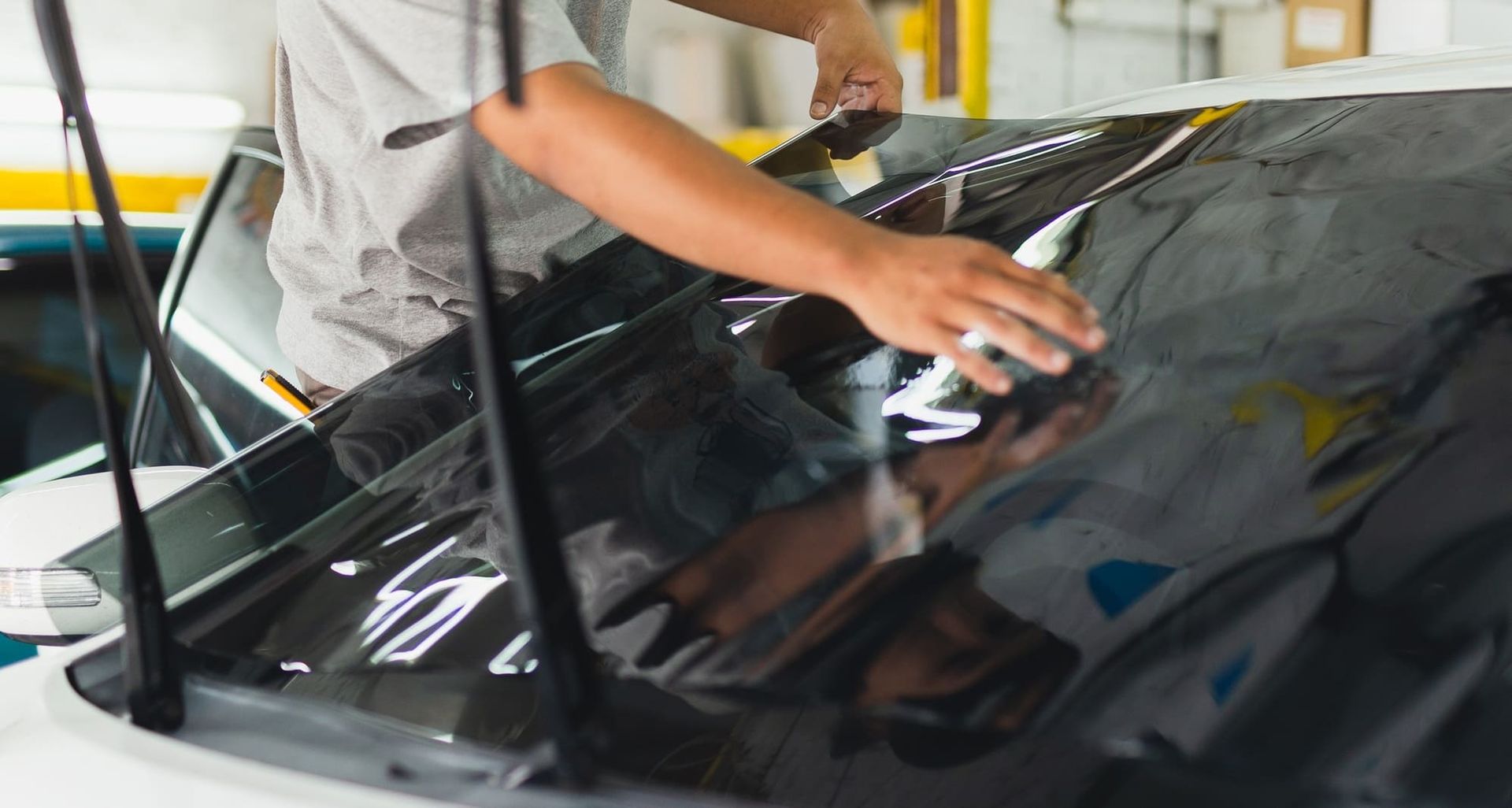
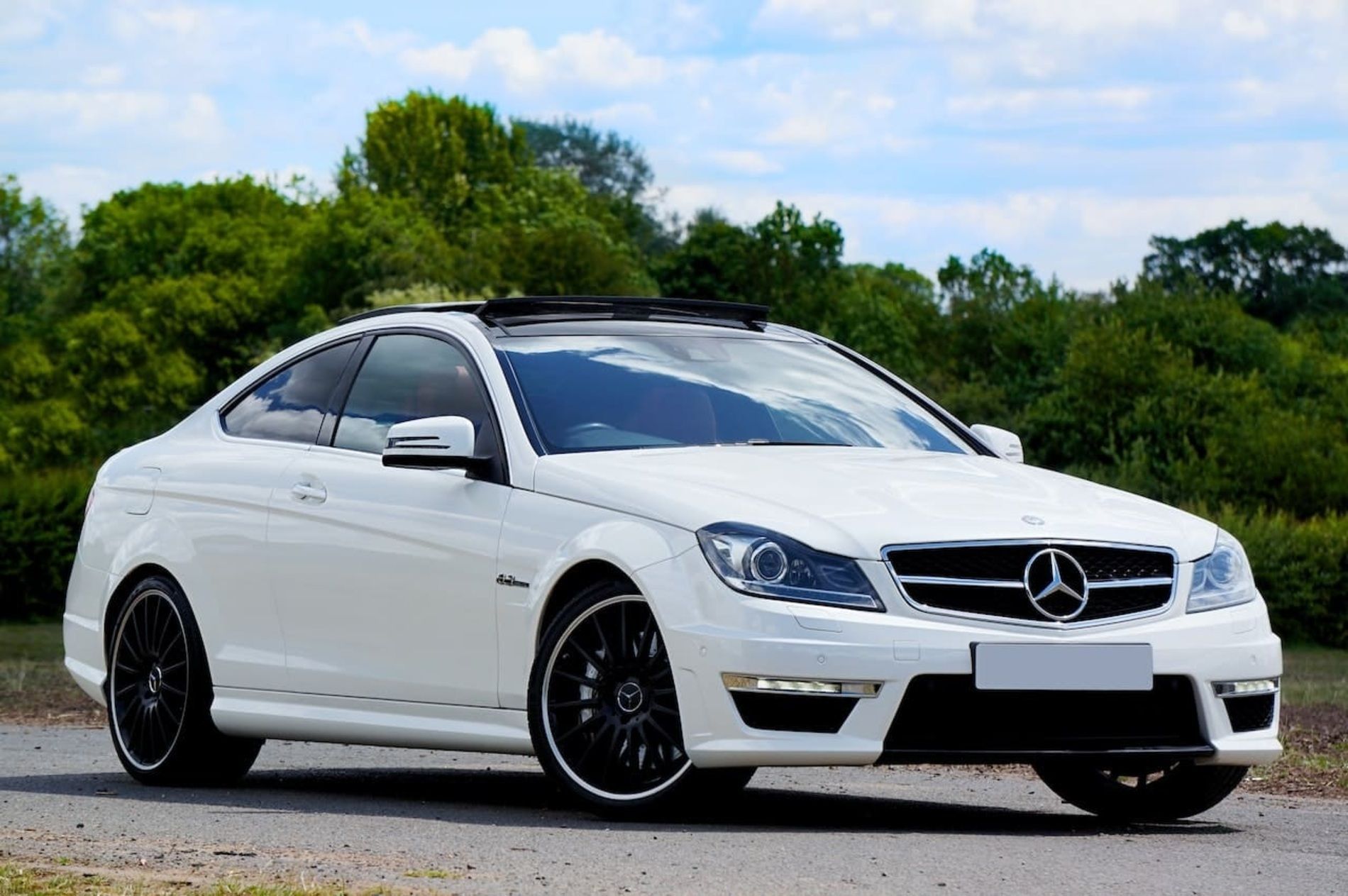
Yes. Professionally installed window tint can noticeably reduce interior heat during Florida summers by blocking much of the solar energy that turns cars and rooms into ovens. Quality films reject a large share of infrared heat, block more than 99% of UV rays, and cut glare. That means your car cools down faster, your AC doesn't work as hard, and your home stays comfortable when the afternoon sun is at its worst.
If you live in Ocala, Belleview, or anywhere in Marion County, you know what a July afternoon feels like. The steering wheel is too hot to touch, the leather seats burn, and the west-facing living room never quite cools off. Window film won't change the weather, but it does control how much of that heat gets inside.
This guide answers the questions Central Florida drivers, homeowners, and business owners ask most:
- How does tint block heat?
- Which films work best?
- Is darker tint cooler?
- What does Florida law allow?
- Does home window film really lower energy bills?
How Does Window Tint Reduce Interior Heat?
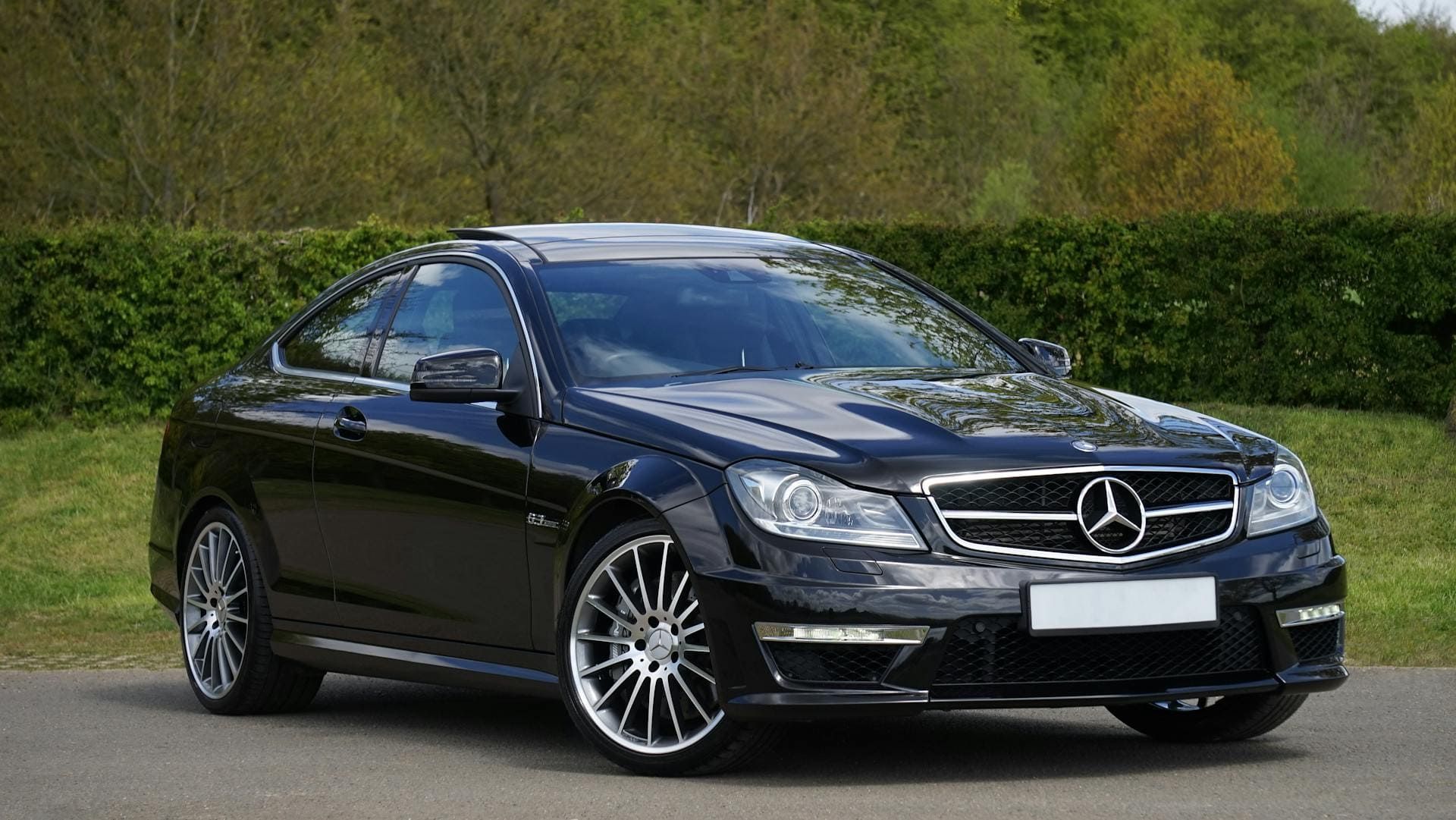
Window tint reduces interior heat by filtering three kinds of solar energy before they pass through your glass:
- Visible light: the light you see. It adds heat and causes glare.
- Ultraviolet (UV) rays: a small share of the sun's heat, but the main cause of faded upholstery, cracked dashboards, and skin damage.
- Infrared (IR) rays: invisible energy you feel as warmth. IR accounts for much of the heat that builds up inside a parked car or a sunny room.
Untreated glass lets most of this energy straight through. Seats, dashboards, flooring, and furniture absorb it and release it as heat, which then gets trapped inside. This greenhouse effect is why a closed car in Florida sun can climb well past 120°F inside.
Quality window film reflects and absorbs a significant portion of that energy before it can build up. When comparing films, the most useful number to ask about is
total solar energy rejected (TSER), which measures how much of the sun's total energy a film keeps out. A higher TSER means a cooler interior.
Why Do Cars and Homes Get So Hot in Central Florida?
Ocala sits in the heart of Central Florida. Summer here means long stretches of intense sun, heavy humidity, and afternoon highs in the 90s. Several local factors make heat gain worse:
- Long hours of direct sun. Summer days bring a lot of high-angle sunlight hitting windshields, rear glass, and windows.
- Humidity. Muggy air makes every degree feel hotter, and your AC has to work harder to remove moisture as well as heat.
- Unshaded parking. Shopping center lots, horse farms, and job sites across Marion County often leave vehicles in full sun for hours.
- More glass than ever. Modern SUVs and trucks have large windows, and many Florida homes have sliders, French doors, and picture windows. More glass means more solar heat gain.
According to the EPA Energy Star Buildings Manual, about one-third of an average home's heating and cooling energy is wasted through untreated windows. In a Florida summer, nearly all of that is unwanted heat coming in.
Which Type of Window Tint Blocks the Most Heat?
The material inside a film determines how much heat it rejects. As an Authorized LLumar Dealer, J3ss-InTime Window Films installs five LLumar automotive film series, each with a different level of heat performance.
| LLumar Film Series | Technology | Heat Rejection | UV Protection | Signal-Friendly | Best For |
|---|---|---|---|---|---|
| IRX Series | Infrared-rejecting ceramic | Best | 99% | Yes | Maximum comfort for daily Florida commuters |
| CTX Series | Nano-ceramic | Superior | 99%+ | Yes | Strong heat control with clear connectivity |
| AIR Series | Clear nano-ceramic | Superior, without darkening | 99%+ | Yes | Drivers who want heat rejection without a dark look |
| ATR Series | Metallized | Excellent | 99%+ | Metal content may affect some signals | Reflective heat control at a mid-range price |
| ATC Series | Premium dyed | Good | 99%+ | Yes | Style and privacy at an entry-level price |
For Florida heat, ceramic films are the go-to choice. LLumar's IRX Series is the top tier. It targets all of the sun's heat-producing rays, with special emphasis on infrared, which is the part you feel on your skin. Ceramic films are also metal-free, so they won't interfere with your phone, GPS, keyless entry, or satellite radio.
Dyed films still block UV, reduce glare, and add privacy, so they're a solid starting point. They reject less heat, though, so drivers who spend a lot of time in the car usually find ceramic worth the upgrade.
Does Darker Tint Mean a Cooler Car?
Not necessarily. How dark a film looks is measured by visible light transmission (VLT), the percentage of visible light that passes through. A lower VLT means a darker film. But darkness and heat rejection are two different things.
A light ceramic film can outperform a much darker dyed film because ceramic targets infrared energy rather than just blocking visible light. LLumar's AIR Series shows this clearly. It's a nearly clear film that delivers superior heat rejection without changing how your glass looks, and it can even boost the performance of factory privacy glass.
The practical rule: pick your shade for looks, privacy, and legal compliance, and pick your film technology for heat rejection.
How Dark Can You Legally Tint Your Car in Florida?
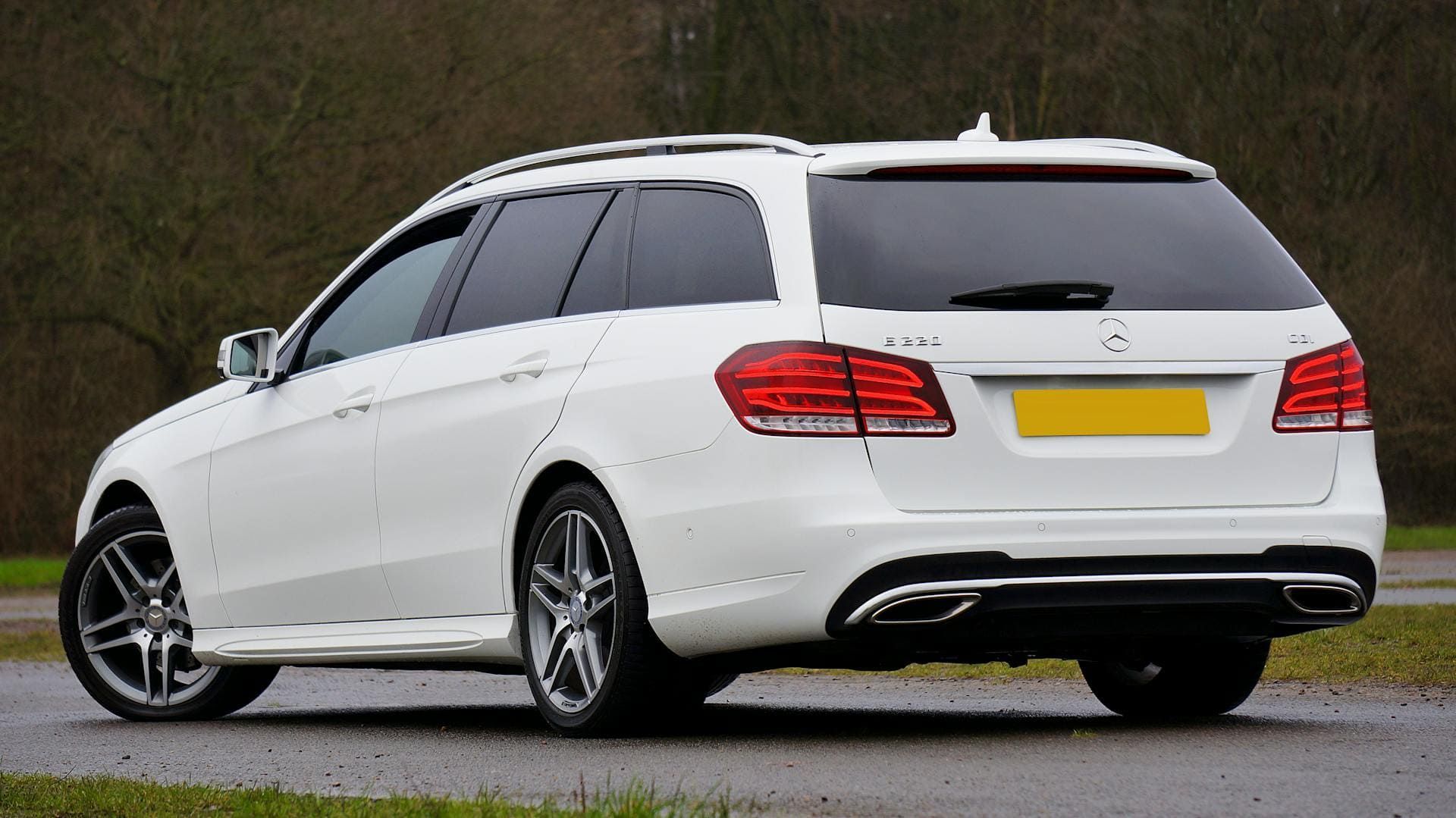
Florida law regulates both how dark tint can be and how reflective it can be. Here's a summary of the current limits under Florida Statutes 316.2951–316.2957:
| Window | Sedans and Coupes | SUVs, Trucks, and Vans |
|---|---|---|
| Windshield | Non-reflective tint above the AS-1 line only | Non-reflective tint above the AS-1 line only |
| Front side windows | Must allow more than 28% of light in | Must allow more than 28% of light in |
| Back side windows | Must allow more than 15% of light in | Must allow more than 6% of light in |
| Rear window | Must allow more than 15% of light in | Must allow more than 6% of light in |
| Reflectivity | Front sides no more than 25%; back sides no more than 35% | Front sides no more than 25%; back sides no more than 35% |
Florida also offers medical exemptions for qualifying conditions. Laws can change, so our team confirms that your shade is compliant before we install it. Customers often mention this in their reviews.
Because Florida caps how dark you can go, film technology matters even more here. A legal ceramic film on your front windows can keep you cooler than illegally dark dyed film, without the risk of a ticket.
Can Home Window Tinting Lower Energy Bills in Florida?
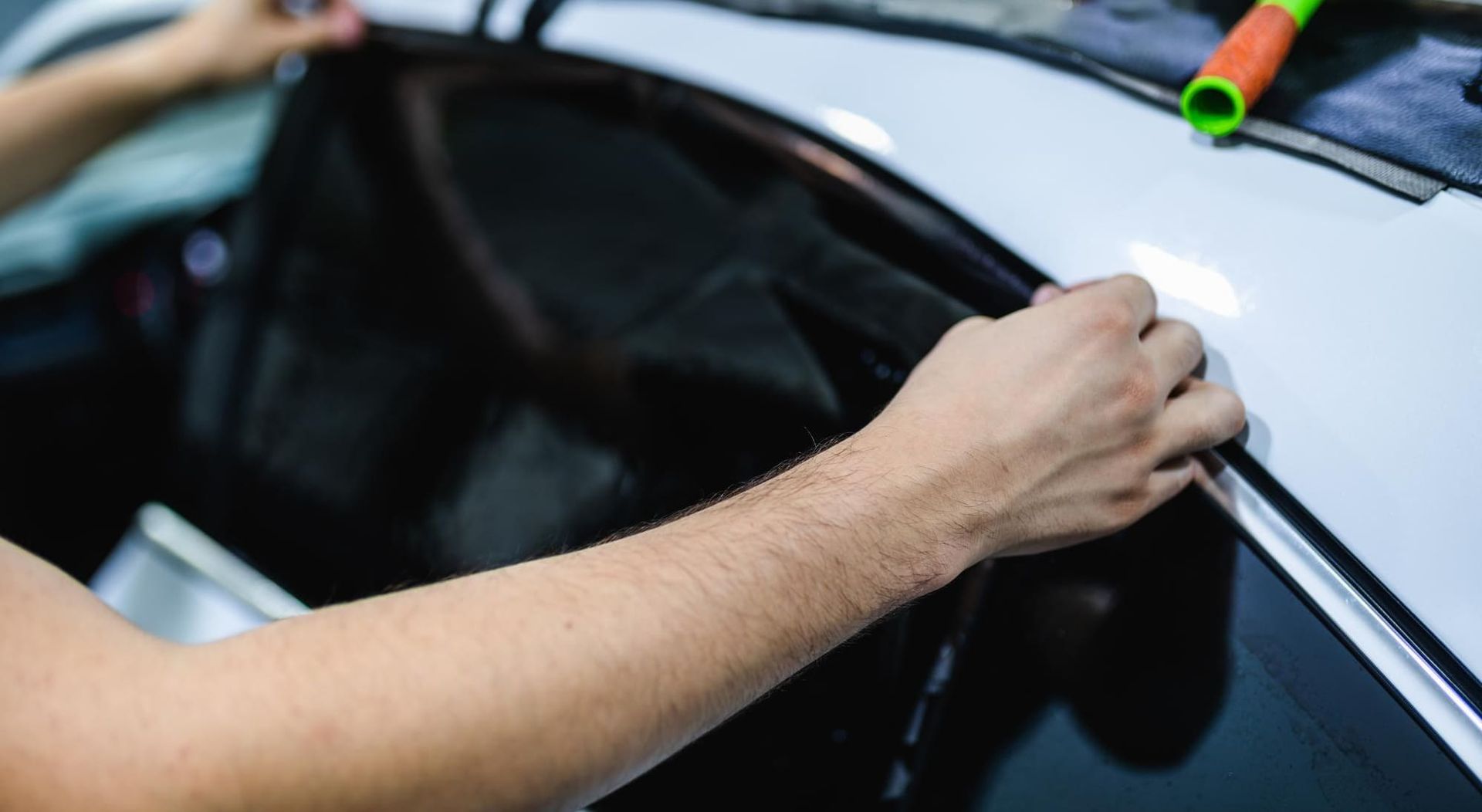
Yes. Residential window film reduces solar heat gain right at the glass, so your air conditioner cycles less often to hold your set temperature. For Marion County homeowners, the benefits include:
- Fewer hot spots near west- and south-facing windows
- Lower cooling costs through the long Florida summer
- Up to 87% less glare with LLumar films, so TVs and computer screens are easier to see
- More than 99% UV blocking, which protects hardwood floors, upholstery, and artwork from fading
- Comfort in both seasons, since the film helps keep heat out in summer and in during winter
Commercial properties benefit the same way. Offices, restaurants, apartments, and retail spaces gain tenant comfort and lower energy costs.
| Heat-Control Option | Heat Reduction | Preserves Your View | UV Protection | Relative Cost |
|---|---|---|---|---|
| Professional window film | Strong, stops heat at the glass | Yes | 99%+ | About one-fifth the cost of replacement windows |
| Energy-efficient replacement windows | Strong | Yes | Varies by product | Highest |
| Blinds, shades, and drapes | Partial, because heat has already passed through the glass | No, when closed | Partial | Low |
One caveat: window film works best on windows in good condition. Damaged or deteriorating windows should be replaced.
How to Choose the Right Heat-Rejecting Window Tint
1. Identify Your Biggest Heat Problem
Decide where heat bothers you most. It might be a hot cabin after work, a sun-baked back seat where your kids ride, or a living room that's unbearable by 4 p.m. Your main pain point should guide your film choice.
2. Prioritize Heat Rejection Over Darkness
Ask about TSER and infrared rejection, not just shade percentage. In Florida's climate, an infrared-rejecting ceramic film usually delivers the biggest comfort improvement.
3. Check Florida Tint Laws for Your Vehicle Type
Sedans and SUVs have different legal limits on the rear windows. A knowledgeable installer will match your shade to the law for your specific vehicle.
4. Compare Films Side by Side
Use the automotive, residential, and commercial film viewers on our website to preview different shades. Then visit the shop to see real samples in person.
5. Choose a Certified Installer and a Real Warranty
Even premium film can fail if it's installed poorly. Choose an authorized dealer whose film is backed by the manufacturer's warranty. That's what protects you against bubbling, peeling, cracking, and color change.
Why Ocala Drivers and Homeowners Choose J3ss-InTime Window Films
J3ss-InTime Window Films is an Authorized LLumar Window Film Dealer serving Ocala, Belleview, and all of Marion County. LLumar is the world's largest manufacturer of window film, and our shop sources only reputable films so every installation stays under warranty and performs as promised.
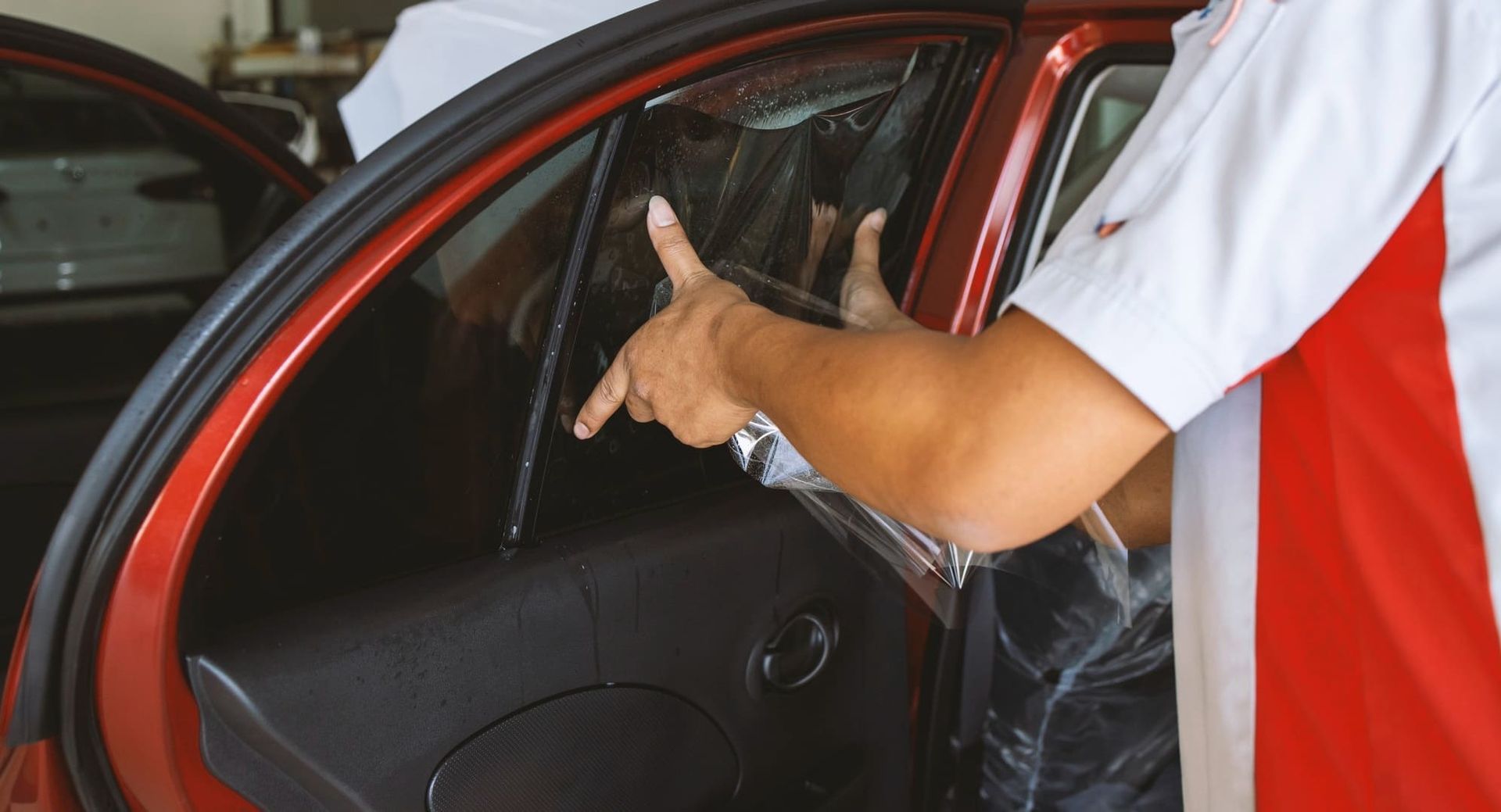
When our trained technicians install LLumar automotive film, it comes with a manufacturer's lifetime limited warranty against color change, bubbling, and cracking for as long as you own your vehicle. Our installers are trained in the latest tools and techniques, and we help every customer choose a shade that looks great and stays legal.
We also install
residential,
commercial,
safety and security, and
decorative films. So whether you want to cool a truck, a home office, or a storefront, you can handle it in one place.
Frequently Asked Questions About Window Tint and Heat
How much cooler will my car be with window tint?
Results depend on the film type, the shade, and your vehicle. Most drivers notice cooler seats and steering wheels, less heat on their skin while driving, and faster AC cool-down. Infrared-rejecting ceramic films typically produce the most noticeable difference.
Is ceramic tint worth it in Florida?
For most Florida drivers, yes. Ceramic tint targets infrared heat, stays color-stable, and won't interfere with electronics. In a state with long, hot summers and legal limits on darkness, it delivers the most comfort per shade.
Will window tint interfere with my phone or GPS?
Ceramic and dyed films are metal-free and won't block signals. Metallized films contain metal particles that can affect some electronic signals, which is one reason many drivers choose ceramic.
How long does window tint last in the Florida sun?
Professionally installed LLumar automotive film is backed by a manufacturer's lifetime limited warranty against bubbling, cracking, and color change. Cheap, low-quality films often turn purple or peel within a few Florida summers.
Will home window film make my rooms dark?
No. Residential films come in clear, light, and subtle shades, so you can reduce heat and glare while keeping your view and natural light.
Does window film help in winter, too?
Yes. Residential window film helps keep heat inside during cooler months, which adds year-round comfort and energy savings.
Get Ready for Next Summer With J3ss-InTime Window Films
Window tint is one of the most effective and affordable ways to beat Florida heat. It keeps your car comfortable, protects your skin and interior from UV damage, and lowers cooling costs at home or work. The best results come from choosing the right technology, staying within Florida law, and working with a certified installer.
Fall is the perfect time to get your car, home, or business ready before next summer's heat arrives. Contact J3ss-InTime Window Films for your free estimate:
- Call: (352) 405-0925
- Visit: 7050 SE 58th Ave, Ocala, FL 34480
- Hours: Monday–Friday, 9 a.m.–5 p.m.; Saturdays by appointment