
Will Window Tint Interfere With GPS, 5G, or Key Fobs?
Modern vehicles run on signals. Your phone and head unit constantly juggle GPS location data, 5G or LTE connectivity, Bluetooth pairing, satellite radio, Wi-Fi hotspots, remote start, and keyless entry. So, it is completely reasonable for drivers in
Ocala, FL and surrounding areas to ask:
does
window tint affect GPS, can tint cause
window tint 5G interference, or create a
key fob window tint issue? The concern comes from a real problem in the past. Older window films that used metal layers for heat control could reflect or absorb radio frequency energy, especially when applied to windshields or large glass areas near antennas. Today, advanced nano ceramic films are engineered specifically to reject heat without using conductive metal, which dramatically reduces the risk of signal disruption. In this guide, we will break down how the signals work, what tint types do to them, and why ceramic tint is widely considered signal safe when installed professionally.
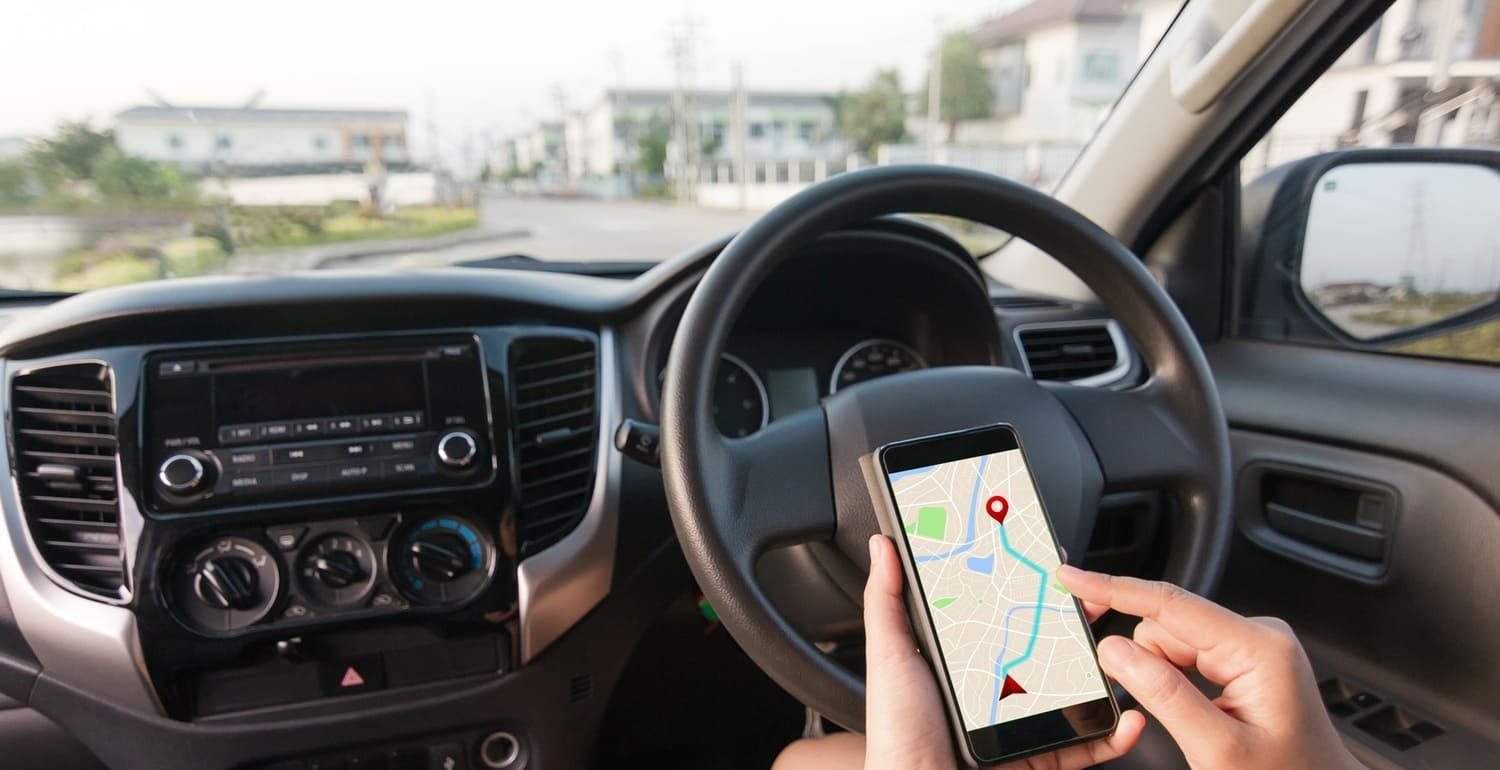
Table of Contents
- How GPS, 5G, Bluetooth, and key fobs work
- Why metallic tint historically caused interference
- Dyed vs metallic vs carbon vs ceramic tint
- How nano ceramic tint stays signal safe
- Windshield tint and antenna placement
- Ocala heat, UV, and glare benefits of ceramic tint
- Why professional installation matters in Florida
- FAQ: GPS, 5G, Bluetooth, and keyless entry questions
1) How GPS, 5G, Bluetooth, and key fobs work
Before we talk about tint, it helps to understand what your car is actually receiving and transmitting. Most “signal problems” are not a single system failing. They are multiple radios operating at different frequencies, with different antenna placements, different power levels, and different sensitivity to obstruction.
GPS (Global Positioning System) is a receive-only system. Your vehicle or phone receives very weak signals from satellites. GPS operates primarily around 1.575 GHz (L1), and the receiver needs a clean view of the sky. Because the signal is extremely low power by the time it reaches Earth, anything that meaningfully attenuates it can cause slower location lock, drifting, or momentary dropouts, especially in parking garages, dense tree cover, or heavy storms that Florida drivers know well.
5G and LTE cellular use a wide range of frequencies. In Ocala, most real world coverage still leans heavily on LTE and sub-6 GHz 5G bands, though mmWave exists in limited pockets. Your phone and vehicle’s cellular modem talk to nearby towers at much higher power than GPS. That means cellular is typically more tolerant of minor attenuation. When people ask about window tint 5G interference , they are usually noticing a small change in signal bars that is actually caused by building materials, tower distance, or phone placement. True tint-caused cellular issues usually involve metallic films or specific windshield installations.
Bluetooth is a short-range connection in the 2.4 GHz band, usually between your phone and the vehicle head unit. The distance is small and the power is sufficient for typical cabin use. If Bluetooth issues appear after tinting, it is often coincidence, a pairing setting change, or a phone OS update. Still, it is worth addressing because metallic films can contribute to extra reflections or attenuation in certain cabin geometries.
Satellite radio (for vehicles equipped with it) receives signals from satellites and terrestrial repeaters. Antennas are often on the roof, rear glass, or shark fin modules. Like GPS, satellite radio signals can be more sensitive than cellular, depending on antenna placement and coverage.
Key fobs and keyless entry use low power radio transmissions, commonly around 315 MHz or 433 MHz in North America, though some systems also use near-field technologies and rolling codes. The vehicle has receiving antennas placed in the cabin and around the doors or trunk. When drivers worry about a key fob window tint issue , they are usually concerned that the film will “block” the signal. In practice, most side and rear window tints, especially ceramic tint, do not create meaningful attenuation at these frequencies. Interference is more likely if a metallic film is applied to glass with embedded antennas, or if the issue is actually a weak fob battery.
2) Why metallic window tint historically caused interference
Metallic tint got its reputation for a reason. Many older heat-rejecting films used a thin metallic layer. That layer helped reflect solar energy, but it could also behave like a partial shield for radio signals. In radio terms, a conductive layer can reflect, absorb, or scatter electromagnetic waves, depending on thickness, continuity, and frequency.
Two real-world scenarios made the problem more noticeable:
- Windshields and large glass areas: Windshields are a major “window” for radios because they are large and forward-facing. If the GPS antenna is on the dash, the windshield is in the direct path. Metallic film on the windshield can reduce signal strength where the receiver expects the cleanest path.
- Glass with embedded antennas: Some vehicles route antennas through rear glass defroster grids or embedded traces. Adding a metallic layer can change the antenna’s effective characteristics, or at least attenuate the signal reaching it.
In addition, metallic films can create a “multipath” effect. Instead of one clean signal path, the radio receives reflections that arrive slightly delayed. GPS receivers are designed to handle some multipath, but heavy reflections can slow acquisition or reduce accuracy in tough environments.
So, yes, older metallic films could contribute to interference. That history is why many informed drivers search terms like does window tint affect GPS or worry that tint will weaken 5G, Bluetooth, or remote entry. The good news is that tint technology has evolved, and the best modern solutions for Florida heat typically avoid metals entirely.
3) Dyed vs metallic vs carbon vs ceramic tint
Not all window tint is built the same. If you want both comfort and confidence that your electronics remain stable, film construction matters more than
darkness. Here is a practical comparison you can use when shopping for
ceramic tint signal safe options in Ocala.
Quick comparison chart (signal compatibility and performance)
- Dyed film: Good for appearance and basic glare reduction. Heat rejection is modest. Signal compatibility is typically good because there is no metal layer. UV performance varies by product.
- Metallic film: Can provide decent heat rejection at a lower price point, but has the highest risk for RF interaction. It is the most commonly associated with GPS issues, cellular attenuation, and inconsistent keyless performance when installed on sensitive glass areas.
- Carbon film: Better heat rejection than dyed, generally stable color, and typically non-metal. Signal compatibility is generally good. Performance depends on brand and construction.
- Nano ceramic film: High heat rejection and strong UV protection without metal. This is the go-to category when the priority is cabin comfort in Florida plus confidence about GPS, 5G, Bluetooth, and key fobs.
What to look for on a spec sheet
When comparing films, focus on these metrics:
- IR (infrared) rejection: A key driver of perceived heat reduction. Higher IR rejection usually means a cooler cabin, less AC strain, and more comfort during Ocala summers.
- UV protection: Look for very high UV blockage to help protect skin and reduce fading of interiors.
- Construction notes: If the product mentions “metalized” or “metal,” ask detailed questions about electronics compatibility.
- Optical clarity and haze: Higher quality films maintain clearer visibility, which matters for night driving and Florida rain conditions.
If your top concern is electronics, the simplest rule is to prioritize non-metal films and ask the installer what they recommend for vehicles with integrated antennas. For local buyers specifically searching LLumar Auto Window Tint Ocala , it is worth confirming the exact film line being installed and its intended use case.
4) How nano ceramic tint maintains signal clarity while reducing heat
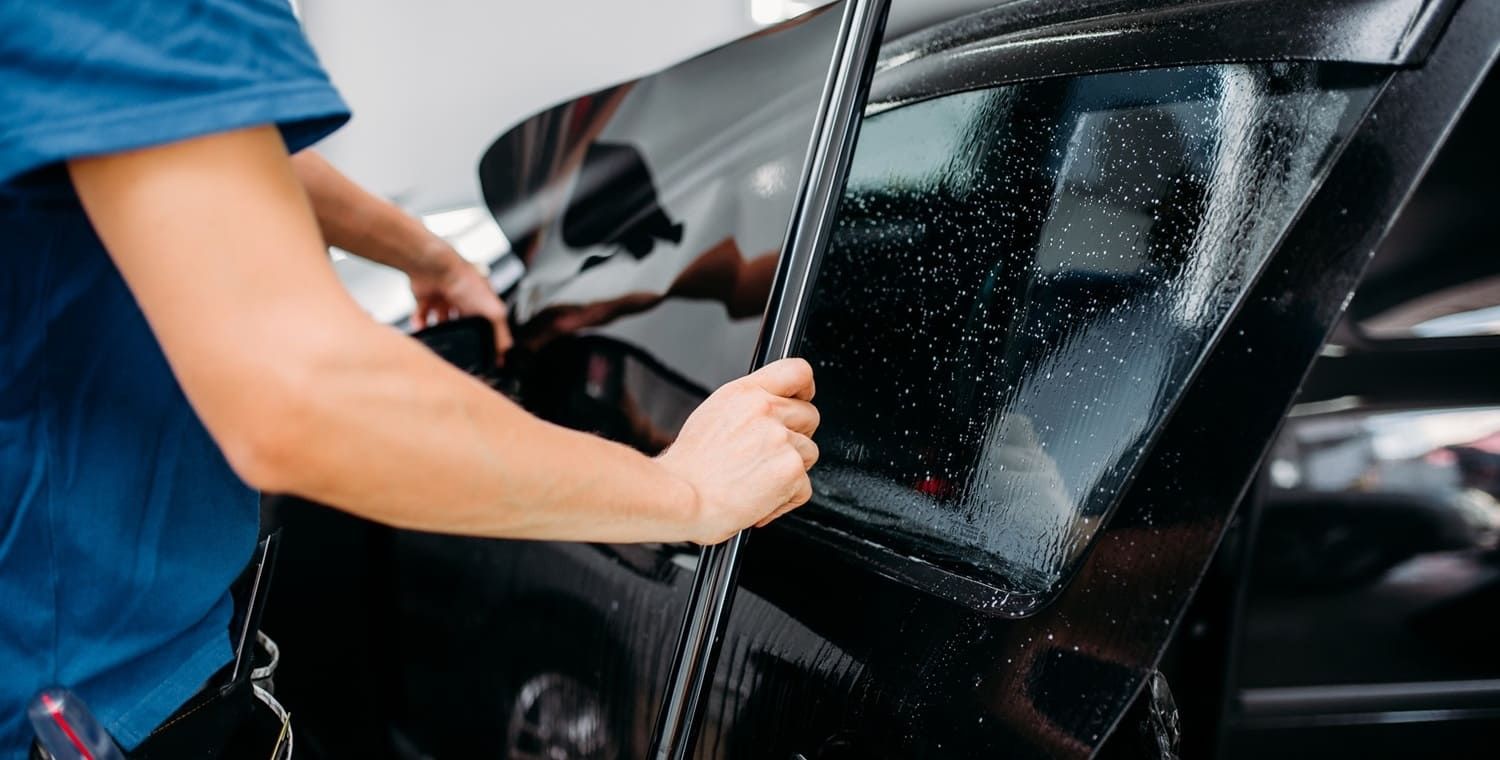
Modern nano ceramic tint is designed to control solar energy using non-conductive ceramic particles rather than a metallic layer. That design choice is the main reason ceramic tint is widely viewed as a ceramic tint signal safe option. In plain terms, there is no continuous metal layer to act like a partial RF shield.
Why ceramic works for Florida: In Ocala and Central Florida, heat is not just uncomfortable. It can raise cabin temperatures quickly, increase AC load, and make daily driving feel exhausting.
Ceramic films target infrared energy, which is a major component of heat you feel through glass. High performance ceramic films can reduce that heat while still allowing plenty of visible light transmission, depending on the shade you choose.
Why ceramic is generally electronics-friendly: GPS, 5G, Bluetooth, satellite radio, and keyless entry operate in radio frequency ranges where non-metal dielectric materials have far less impact than conductive layers. Ceramic films can still cause a tiny change in signal levels, but in most real world cases the difference is not enough to affect function. That is especially true for side and rear windows, where vehicle antennas are rarely relying on the glass as a primary signal path.
Important nuance: Electronics compatibility is not only about film type. It is also about where antennas are placed and how the vehicle is configured. Some cars have GPS antennas integrated into modules near the dash or rear glass. Some have cellular antennas in the roof. Some have embedded antennas in glass. This is why working with a knowledgeable shop matters.
Local note for Ocala drivers: If you are commuting on I-75, driving out toward The Villages, or navigating rural highways where cellular coverage can vary, any small reduction in signal can feel larger than it really is. Choosing a high quality ceramic film and making smart choices about windshield tinting usually keeps everything running normally.
5) Windshield tint considerations and antenna placement awareness
If there is one area where careful planning matters most, it is the windshield. In Florida,
windshield tint is popular for glare reduction and heat control. It is also the glass area most likely to intersect with GPS receivers on the dash and forward-facing sensors in modern vehicles.
Windshield tint and GPS: Many drivers experiencing GPS changes after tinting are dealing with either a metallic film, a thick layered film, or a receiver that already struggled in marginal conditions. If you are asking does window tint affect GPS , the windshield is where the question is most relevant.
Antenna placement checklist (ask your installer):
- Does the vehicle use an in-dash GPS antenna, or a roof-mounted antenna module?
- Are there embedded antennas in the rear glass or windshield?
- Is there an aftermarket device (dash cam, GPS tracker, toll transponder) that relies on a clear windshield area?
Advanced driver assistance systems: Many vehicles have cameras and sensors behind the windshield. Quality films are designed for optical clarity, but installation must be precise. A professional installer will account for these components and keep visibility and sensor areas appropriate.
Recommended approach for connected vehicles: For drivers who want maximum comfort without risking a surprise connectivity problem, a ceramic windshield film and a conservative shade selection are common best practices. Your installer should also confirm Florida legal requirements for windshield and front side windows before any work begins.
6) Florida climate benefits of high performance heat rejecting tint
In Ocala, heat rejection is not a luxury. It is a daily quality-of-life upgrade. A good film can lower cabin temperature buildup, reduce glare, and help your AC system keep up during peak summer conditions.
Comfort benefits that matter locally:
- Less heat soak: Short errands become more comfortable because the steering wheel, seats, and dashboard do not reach extreme temperatures as quickly.
- Reduced glare: Helpful during Florida’s bright midday sun and after rain when roads reflect light.
- UV protection: Important for skin protection and reducing interior fading and cracking.
Performance overview (typical goals, varies by product line):
- Choose a film known for strong IR rejection for heat comfort.
- Choose a film known for high UV blockage for protection.
- Choose non-metal construction to reduce the chance of any GPS, cellular, or keyless entry side effects.
When you combine these benefits with modern connected vehicles, ceramic film is often the best balance of heat control and electronics peace of mind. For drivers searching LLumar Auto Window Tint Ocala , the key is selecting the right LLumar product category engineered for high performance, optical clarity, and non-metal heat rejection.
7) Why professional installation ensures electronic compatibility and compliance
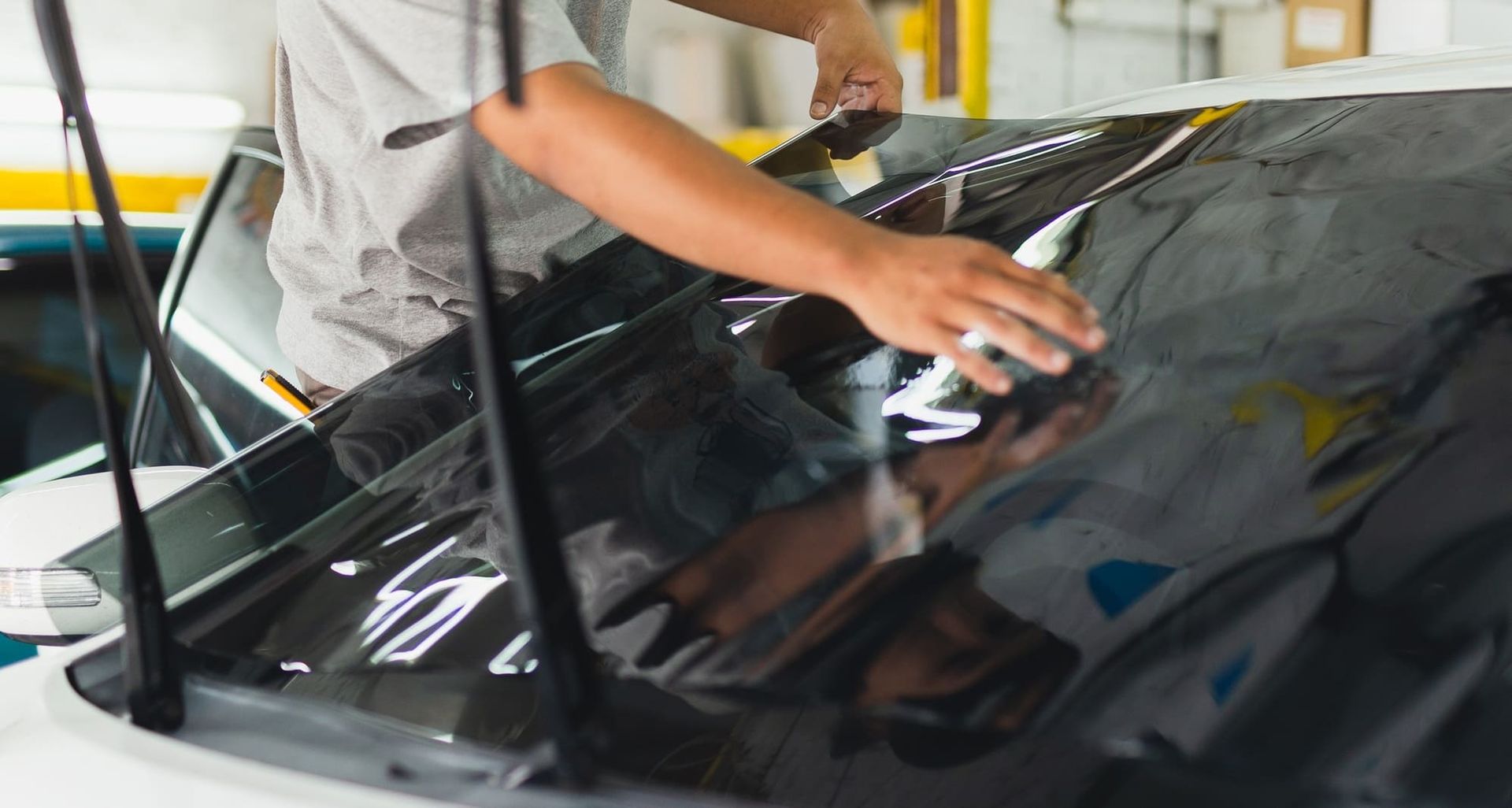
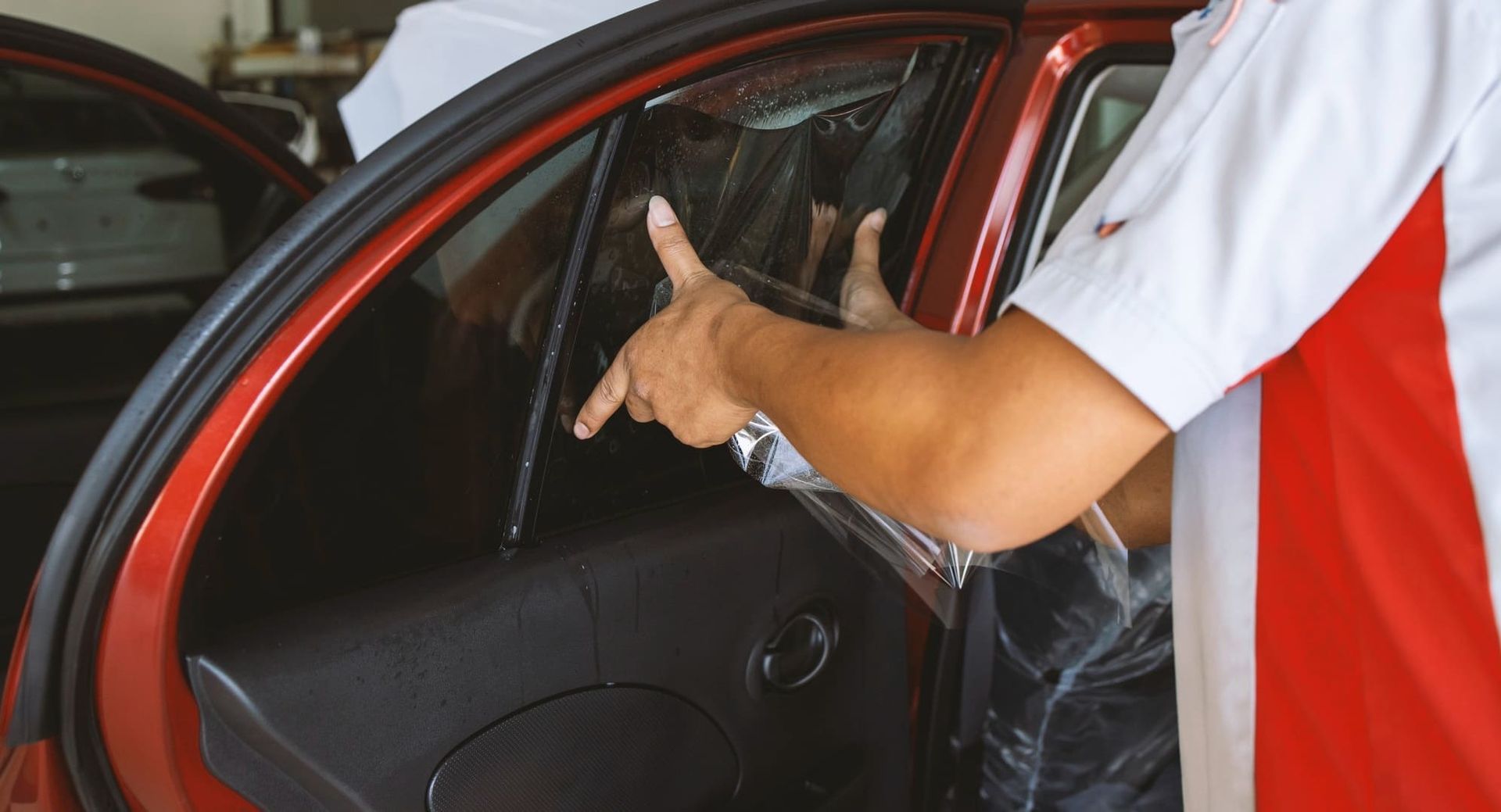
Film quality matters, but installation quality matters too. A professional shop does more than apply film smoothly. They help you choose the right film for your vehicle’s electronics and ensure the final result is compliant, durable, and visually clean.
How professional installation reduces risk:
- Correct film selection: Avoids metallic films when electronics compatibility is a priority, especially for windshield applications.
- Vehicle-specific knowledge: Accounts for antenna placement and embedded glass antennas, reducing the chance of a post-install troubleshooting cycle.
- Clean install practices: Prevents contamination, haze, and distortion that can be mistaken for “technology problems” when the real issue is visibility.
- Compliance guidance: Helps you understand Florida tint rules so you avoid tickets and re-tinting
costs.
Ocala-focused recommendation: If your vehicle has push button start, keyless entry, a built-in hotspot, or you rely on phone navigation every day, let the installer know before the appointment. It helps them recommend the most electronics-safe approach from the start.
J3ss-InTime Window Films note: J3ss-InTime Window Films installs LLumar Auto Window Tint products engineered to provide advanced heat rejection, UV protection, and optical clarity without interfering with GPS, 5G, or keyless entry systems. If you are comparing options, ask specifically about ceramic lines and confirm the film is non-metal for the areas you want tinted.
FAQ: Does window tint affect GPS, 5G, Bluetooth, or key fobs?
Does ceramic tint block signals?
In most real world cases, no. High quality nano ceramic films are non-metal and are widely considered signal safe for GPS, cellular, Bluetooth, and key fobs.
Can metallic tint cause GPS problems?
Yes, metallic films are the most likely type to contribute to slower GPS lock or weaker reception, especially if installed on the windshield or near an antenna path.
Will window tint cause 5G or LTE drops?
Most of the time, no. If a driver sees changes, it is usually marginal coverage, phone position, or a metallic film on sensitive glass. If you are worried about window tint 5G interference , choose a non-metal ceramic film.
Can tint affect Bluetooth audio or hands-free calling?
It is uncommon. Bluetooth is short-range and usually unaffected by ceramic films. If issues show up, re-pairing devices or updating the head unit often resolves it.
Can window tint cause a key fob window tint issue?
Ceramic tint on side and rear windows rarely causes keyless problems. If your fob range suddenly drops, check the fob battery first and confirm no metallic film was installed on glass with embedded antennas.
Is ceramic tint compatible with push button start systems?
Yes, in typical installations. Push button start relies on interior antennas and low power communication with the fob. Non-metal ceramic films do not typically interfere.
Will tint reduce remote start range?
It is uncommon with ceramic films. Range is more often affected by battery strength, interference in parking areas, or vehicle antenna location. Metallic films can be more risky on certain glass areas.
What about satellite radio reception after tint?
If the antenna is roof-mounted, tint on side windows usually makes no difference. If the antenna is in rear glass, a metallic film could contribute. Ceramic is generally the safer choice.
Is windshield tint legal in Florida?
Florida rules can be specific by glass area and visible light transmission. Always confirm current legal limits before tinting, especially for the windshield and front side windows.
Does warranty coverage matter for electronics concerns?
Yes. A quality product and a reputable installer help ensure long-term clarity and performance. Ask what the film warranty covers and whether it is backed by the manufacturer and the shop.
Conclusion: Modern ceramic tint is built for connected vehicles
If you drive a modern connected vehicle in
Ocala, FL, it is smart to ask whether tint could disrupt navigation, cellular data, Bluetooth audio, satellite radio, or keyless entry. The interference stories mostly trace back to older metallic films and certain windshield or antenna-adjacent installations. Today, high quality nano ceramic films are designed to reject heat and UV without using conductive metal layers, which is why ceramic tint is widely regarded as signal safe for GPS, 5G, and key fobs.
Ready for cooler, clearer driving without connectivity worries?
J3ss-InTime Window Films installs
LLumar Auto Window Tint products engineered for advanced heat rejection, UV protection, and optical clarity, while maintaining the signal performance your vehicle depends on.
Contact J3ss-InTime Window Films to get a
free estimate and recommendations tailored to your vehicle, your driving habits, and Florida conditions.