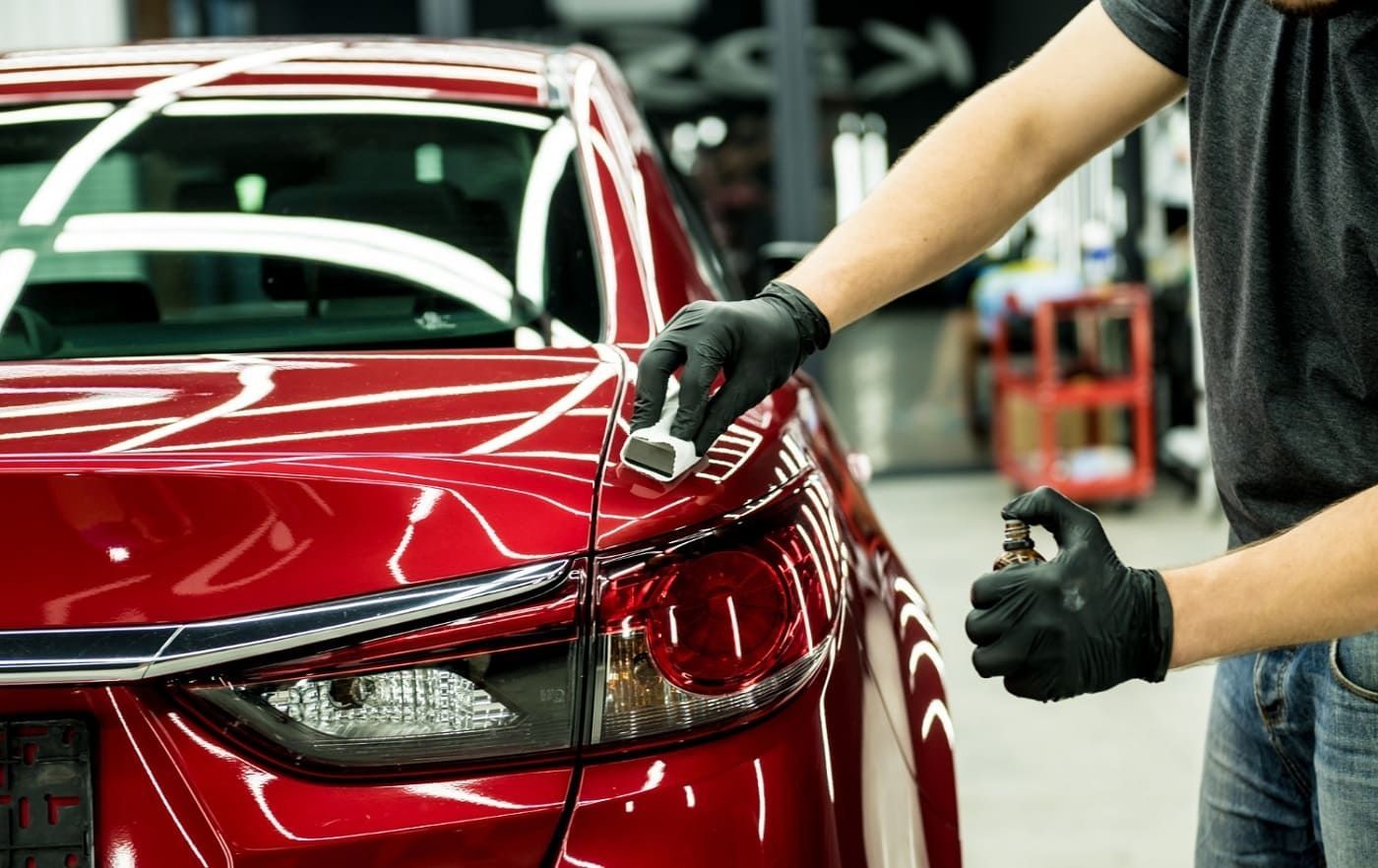

How Do You Maintain PPF to Keep It Glossy and Clear?
Paint Protection Film looks its best when it is cared for like a long-term surface, not a one-time install. Many Ocala drivers choose PPF, also called
clear bra film, because they want durable protection that preserves a high-gloss finish through daily driving, gravel roads, highway bugs, and intense Florida sunshine. But even premium film can lose clarity, pick up water spots, or look dull if the surface is repeatedly exposed to harsh chemicals, improper washing tools, or baked-on contamination that sits too long in the heat. Environmental exposure matters because the outer layer of modern PPF is designed to take the abuse instead of your paint, and that layer needs the right cleaning and maintenance routine to keep it smooth, glossy, and optically clear. The good news is that correct care is simple, repeatable, and proven to extend the life and appearance of today’s advanced films. In this guide, you will learn practical steps to keep PPF glossy, prevent staining, and get the longest-lasting clarity from
LLumar Paint Protection Film with support from
J3ss-InTime Window Films in
Ocala, FL.
Table of Contents
- How Paint Protection Film Works and Why Care Matters
- Washing Techniques for Vehicles Protected With PPF
- Products and Tools That Are Safe on PPF
- Preventing Stains, Water Spots, and Surface Dulling
- Self-Healing PPF and How Heat Activates It
- Seasonal PPF Maintenance for Florida Conditions
- Why Professional Inspections Help Long-Term Results
- FAQ: Ocala PPF Maintenance Questions
- Conclusion and Free Estimate CTA
How Paint Protection Film Works and Why Care Matters
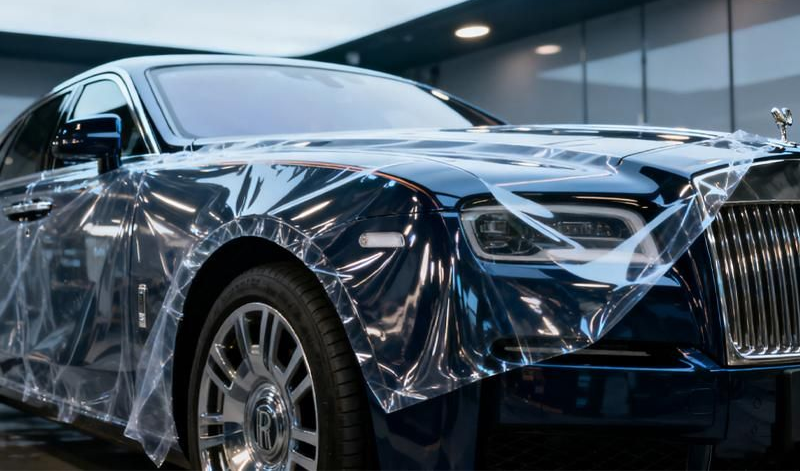
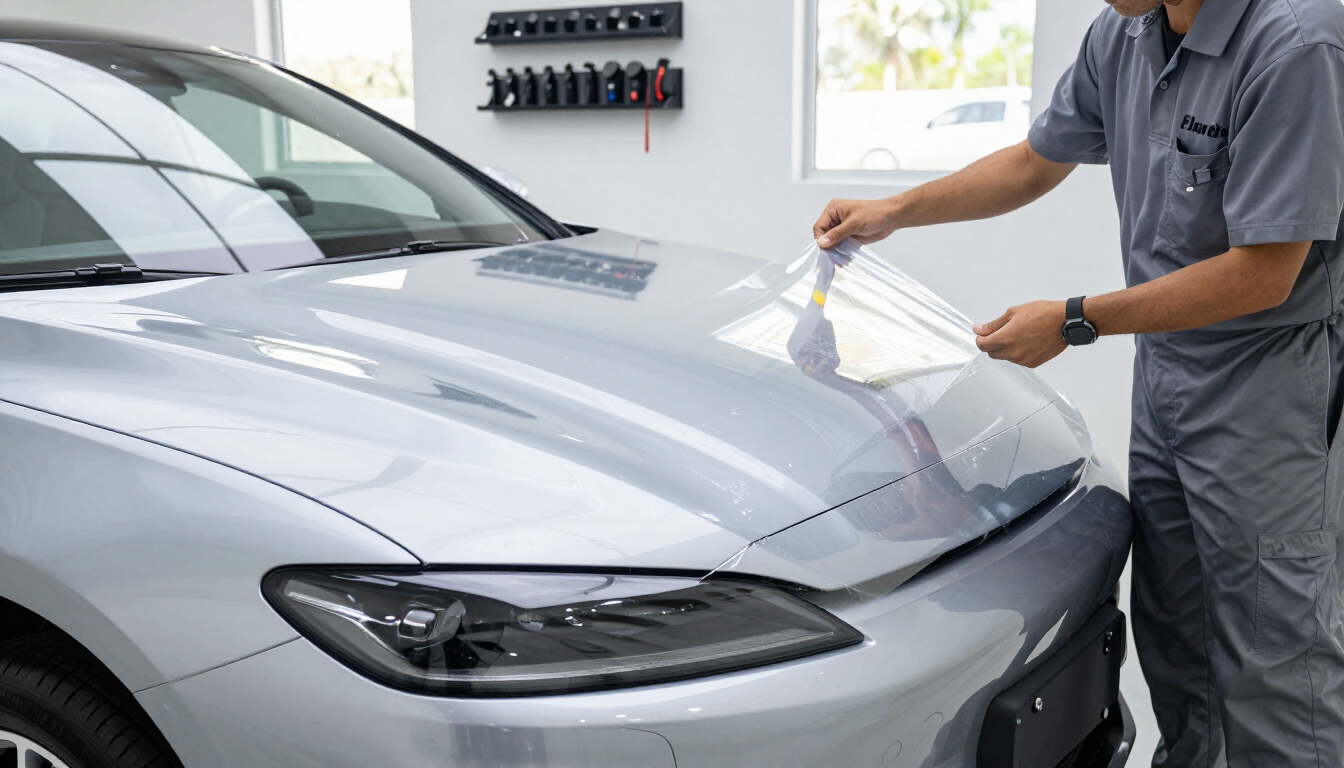
Paint Protection Film is a clear, durable urethane film designed to absorb and resist damage that would otherwise hit your paint. Rock chips, sand abrasion, bug acids, bird droppings, and light scuffs are common threats in Central Florida. PPF acts as the sacrificial layer, taking the impact so your factory finish stays intact. That is the protection side. The appearance side comes from the film’s surface remaining smooth and optically clear, which is what creates a glossy, clean look.
Modern films typically have multiple layers that work together: a clear coat or top layer that resists staining and supports self-healing, a strong urethane body that provides impact resistance, and an adhesive layer that bonds to your paint safely. When people talk about “keep PPF glossy,” they are really talking about preserving the condition of that top layer. If the top layer gets coated in mineral deposits, embedded contamination, or etched by harsh chemicals, it can look hazy or dull even though the film is still protecting the paint underneath.
This is why maintenance matters. Proper routine care helps prevent three common issues that show up in Florida: water spot buildup from hard water and sprinklers, organic staining from bug residue and tree fallout, and surface dulling from improper washing. Good care also helps the film maintain hydrophobic behavior and reduces the chance of edges collecting grime over time.
| Maintenance Goal | What It Protects | What You Prevent |
|---|---|---|
| Clean surface regularly | PPF top layer clarity | Staining, dullness, embedded dirt |
| Remove contaminants early | Surface gloss and smoothness | Etching from bugs and droppings |
| Use safe chemicals and tools | Top coat durability | Haze, micro-marring, premature wear |
Washing Techniques for Vehicles Protected With PPF
If you want the best PPF maintenance tips, start with washing technique. Most film damage that affects appearance does not come from the road. It comes from how the vehicle is washed. The key is to minimize friction, keep grit away from the surface, and dry properly to avoid water spots.
Use a pre-rinse and foam stage. Before touching the film with a mitt, rinse thoroughly to knock loose sand and grit. A foam pre-soak helps lift contamination and provides lubrication. This reduces the chance of micro-marring that can make PPF look less glossy over time.
Two-bucket method or multiple mitts. Use one bucket for clean soapy water and another to rinse the mitt. If you prefer multiple mitts, use one for upper panels and a separate one for lower panels where grit is heavier. This is one of the simplest ways to keep PPF glossy long-term.
Work top to bottom. Clean the roof, hood, and upper doors first, then move downward. Lower rocker panels and bumpers collect the most abrasive debris. Avoid dragging that grit across higher, more visible areas of film.
Rinse frequently and do not let soap dry. Florida sun can dry soap quickly. Keep panels wet and rinse often. Washing in the early morning or late afternoon helps reduce spotting and makes the process easier.
Dry safely. Drying is where many water spots are created. Use a soft microfiber drying towel or a blower designed for vehicle drying. If you towel-dry, use gentle passes rather than aggressive pressure.
| Ocala-Friendly Wash Schedule | When | Why It Helps |
|---|---|---|
| Basic wash | Every 1 to 2 weeks | Prevents buildup and keeps PPF glossy |
| Bug and sap check | After highway drives | Stops staining and etching |
| Decontamination wash | Every 3 to 6 months | Removes bonded contamination and dullness |
Products and Tools That Are Safe on PPF
Choosing the right products is a major part of how to clean paint protection film safely. Use cleaners and tools designed for automotive finishes, and avoid harsh chemicals that can dry out the surface or leave residue that attracts grime.
Shampoo. Use a pH-balanced car shampoo that rinses clean. Avoid strong degreasers for routine washes. If you need a stronger clean, use it occasionally and rinse thoroughly.
Microfiber only. Use high-quality microfiber wash mitts and towels. Retire towels that fall on the ground. Avoid household towels and anything abrasive.
Bug remover and tar remover. Use dedicated products that are labeled safe for clear coat and film. Let the product dwell, then gently wipe. Do not scrub aggressively, especially on edges.
Water spot remover. Mineral deposits are common in Florida. Use a safe water spot remover designed for automotive paint, and test on a small area first. Follow with a gentle wash to remove product residue.
Detail spray or PPF-safe sealant. A PPF-safe sealant can help with slickness and water behavior, which reduces spot formation. This is also where LLumar paint protection film care guidance matters. Use products compatible with your specific film and finish type.
| Category | Safe Choice | Avoid |
|---|---|---|
| Wash soap | pH-balanced car shampoo | Dish soap as routine wash |
| Tools | Microfiber mitts and towels | Abrasive sponges, stiff brushes |
| Drying | Soft drying towel or blower | Rubbing with pressure on hot panels |
| Chemicals | Film-safe bug and tar remover | Strong solvents used repeatedly |
Preventing Stains, Water Spots, and Surface Dulling
Most appearance complaints about PPF are avoidable with a few habits. Stains, spots, and dullness tend to come from contamination sitting too long, mineral-rich water drying on the surface, or friction from poor washing tools.
Remove bug residue quickly. Bugs can be acidic. In Florida heat, residue can bake on in hours. If you drive I-75 or commute frequently, keep a microfiber towel and a PPF-safe detail spray for quick removal when needed.
Watch for sprinkler water. Sprinklers can leave hard water deposits that etch surfaces. If your vehicle gets hit by sprinklers, rinse it sooner rather than later. Parking habits can be a real factor in Ocala PPF maintenance.
Use drying aids and reduce towel contact. A drying aid can add lubrication and reduce friction. Blower drying reduces towel contact and helps keep PPF glossy.
Decontaminate gently. Over time, film can accumulate bonded contaminants that make it feel rough. A professional decontamination process can restore smoothness. If you use a clay product, use a very gentle option and plenty of lubrication, and avoid aggressive pressure.
| Problem | Early Warning Sign | Best Prevention | Best Next Step |
|---|---|---|---|
| Water spots | Dots that show in sunlight | Dry promptly, avoid sprinklers | Spot remover, then wash |
| Bug etching | Shadow marks after cleaning | Remove bugs same day | Professional inspection |
| Dullness | Film looks hazy or less glossy | Safe wash tools, decon schedule | Maintenance wash and sealant |

Self-Healing PPF and How Heat Activates It
One of the most valuable features of modern paint protection films is self-healing. Light surface marks can soften and diminish as heat helps the top layer level out. This does not mean the film is indestructible, and it does not heal through deep cuts or rock impacts, but it can reduce the look of fine wash marks and light scuffs.
How heat helps. Warmth from the sun or warm water can activate self-healing behavior. In Ocala, natural sunlight often provides enough heat for minor marks to improve over time. For targeted areas, warm water during a wash can help. Avoid extreme heat sources or risky DIY methods. If you are not sure, ask for guidance from a shop familiar with LLumar paint protection film care.
What self-healing does and does not fix. Self-healing can improve light surface marring, but it will not repair torn edges, punctures, or damage that penetrates the film. If the film is lifting or damaged, inspection and replacement of the affected area is the right approach.
Seasonal PPF Maintenance for Florida Conditions
Florida does not have harsh winters like northern states, but it does have seasonal patterns that affect film maintenance. The combination of summer storms, pollen seasons, love bug residue, and intense UV means your maintenance routine should be proactive.
Spring pollen. Pollen can stick to film and create a gritty layer. Wash more often during peak pollen to keep the surface smooth and glossy.
Love bugs and highway season. If you drive through areas with heavy bug activity, remove residue quickly. Bug acids left on film in the sun are one of the fastest ways to compromise appearance.
Summer storms and mineral deposits. Storm water and sprinklers can leave minerals. Prioritize drying after washes and rinse vehicles after heavy rain if water dries on the surface.
Year-round UV exposure. Ocala sun is constant. Parking in shade or using covered parking helps, but regular washing and proper surface protection also matter. Premium films like LLumar Paint Protection Film are engineered for durability, gloss retention, and long term clarity when properly maintained.
Why Professional Inspections Help Long-Term Results
Even careful owners benefit from periodic professional inspection. A shop can check edges, high-impact zones, and areas that collect grime, and can recommend a maintenance plan based on how and where you drive. This is especially helpful if you notice haziness, stubborn spots, or roughness that routine washing does not solve.
Edge care and buildup control. Edges can collect wax residue or grime over time. Professional cleaning helps keep those areas crisp.
Safe decontamination and surface refresh. If your film feels rough, a professional decontamination treatment can restore smoothness without damaging the top layer.
Guidance on coatings. Many drivers ask whether ceramic coating can be applied on top of PPF. The right answer depends on the product and film. A professional can recommend compatible options and application timing.
If you want Ocala PPF maintenance support,
J3ss-InTime Window Films can help you protect the investment you already made and keep your vehicle looking sharp year after year.
FAQ: Ocala PPF Maintenance Questions
How often should PPF be washed?
Typically every 1 to 2 weeks, or sooner if you have bug residue, rain spots, or heavy dust.
Can I apply a ceramic coating on top of PPF?
In many cases yes, but choose a product compatible with your film and follow professional guidance on timing.
How do I remove bug residue from PPF safely?
Use a film-safe bug remover, let it dwell, then wipe gently with microfiber and rinse.
Is pressure washing safe on paint protection film?
It can be if done correctly. Avoid forcing water at film edges and keep a safe distance.
What soap should I use for PPF?
A pH-balanced automotive shampoo that rinses clean is a safe choice for routine care.
Will wax hurt PPF?
Most modern waxes are fine, but residue can build on edges. Many owners prefer PPF-safe sealants instead.
How do I prevent water spots on PPF?
Dry promptly, avoid sprinklers, and use a safe drying method. Consider a PPF-safe sealant to improve water behavior.
Does PPF turn yellow over time?
High-quality films are designed to resist yellowing, but maintenance and environmental exposure still matter.
Can self-healing fix scratches in PPF?
Self-healing can improve light surface marks, but not deep cuts or punctures.
Does maintenance affect warranty coverage?
Warranty terms vary. Keep records and follow care guidelines to avoid issues with claims.
Conclusion and Free Estimate CTA
Keeping PPF glossy and clear comes down to consistent, film-safe habits: wash regularly with gentle tools, remove bugs and contaminants quickly, dry properly to avoid water spots, and schedule occasional decontamination and inspection when needed. With the right approach, modern films can maintain excellent clarity and protection over the long term, even in Florida’s sun and humidity.
LLumar Paint Protection Film is engineered for durability, gloss retention, and long term clarity when properly maintained, making it a strong option for drivers who want lasting appearance and protection.
If you want expert guidance or support with LLumar paint protection film care,
contact J3ss-InTime Window Films in
Ocala, FL for professional inspection, maintenance recommendations, and a
free estimate on PPF services that protect and enhance your vehicle’s appearance.