
Is 70% Windshield Tint Legal in Florida? What Ocala Drivers Need to Know
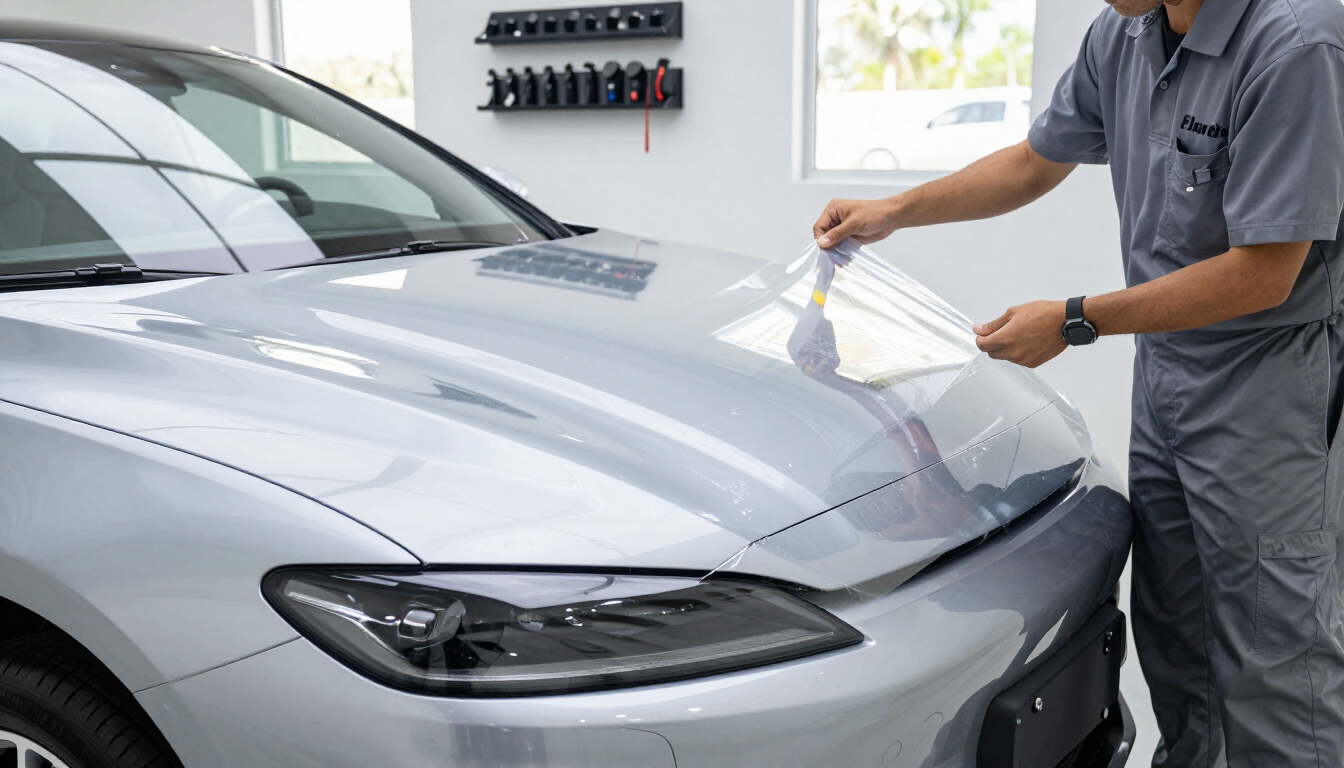
No. In most cases, 70% windshield tint is not legal in Florida. Florida law allows only a non-reflective, transparent tint strip along the top of the windshield, above the manufacturer's AS-1 line. Any tint below that line, including a light 70% film, is a violation unless the driver holds a valid Florida medical exemption for window sunscreening.
That answer surprises many drivers. A 70% film is light, often nearly clear, and it's sold widely as "windshield tint." It also blocks a lot of heat and glare, which matters when you're driving into the Central Florida sun.
If you drive in Ocala, Belleview, or anywhere in Marion County, this guide explains:
- What Florida's windshield law actually says
- Why a "light" film still isn't allowed
- How the medical exemption works
- What happens if you're pulled over
- The legal ways to keep your car cool and cut glare
What Does Florida Law Say About Windshield Tint?
Florida's windshield rules are in Florida Statutes §316.2952. The law says you can't drive on a public road with any sign, sunscreening material, product, or covering attached to the windshield, except for a few specific items.
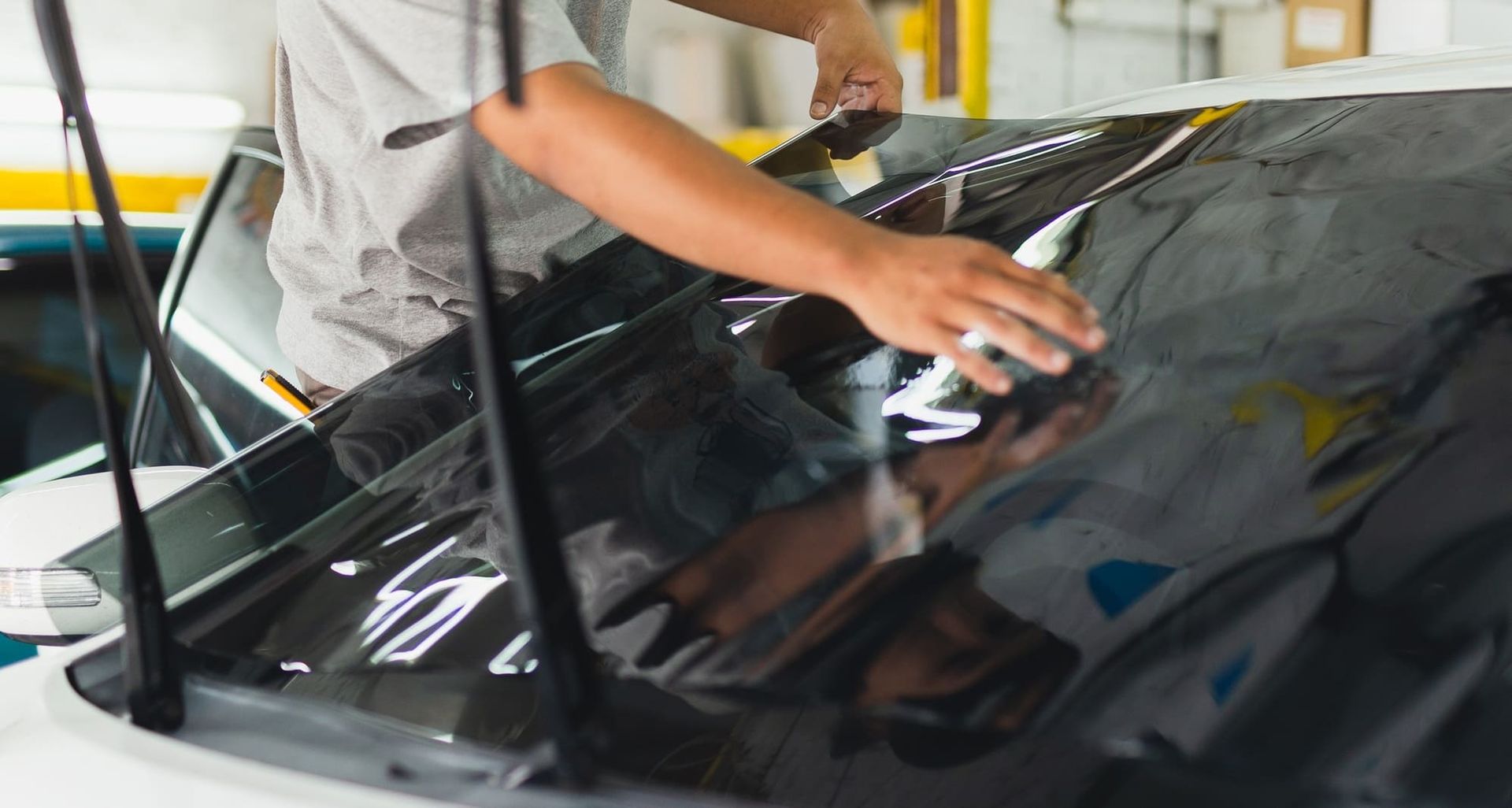
For tint, the exception is narrow. Sunscreening material is allowed only as a strip along the top of the windshield. That strip must be transparent and must not extend into the driver's direct forward viewing area, which federal standard FMVSS 205 defines as the AS-1 portion of the windshield.
Two points matter most:
- The law doesn't set a VLT limit for the windshield. For side and rear windows, Florida sets a minimum visible light transmission (VLT) percentage. For the windshield, it simply bans sunscreening material below the AS-1 line. A 70% film doesn't qualify just because it's light.
- The AS-1 line is marked on your glass. Most windshields have a small "AS-1" marking near the top edge. A legal tint strip, often called a visor strip or eyebrow, stays above that line.
| Windshield Treatment | Legal in Florida? | Notes |
|---|---|---|
| Non-reflective strip above the AS-1 line | Yes | Must be transparent and non-reflective |
| 70% film covering the full windshield | No, without a medical exemption | Banned below the AS-1 line regardless of VLT |
| 80%–90% "clear" film covering the full windshield | No, without a medical exemption | The statute restricts any sunscreening material, not just dark tint |
| Any windshield film with a valid medical exemption | Yes | The certificate must match the specific vehicle |
Why Is 70% Windshield Tint Popular If It Isn't Legal?
Drivers want windshield film for good reasons. The windshield is the largest piece of glass in most cars, and it takes the full force of the sun on every commute.
Florida drivers ask about 70% windshield film because:
- Heat: The windshield lets in a lot of solar energy, heating the dashboard, steering wheel, and front seats.
- Glare: Morning and late-afternoon sun on I-75, US-441, and SR-200 can be blinding.
- UV exposure: UV rays fade and crack dashboards and reach your skin on every drive.
- Online marketing: Many sellers market 70% film as "legal" or "invisible" without explaining state law.
- Other states: Rules vary across the country, so drivers who moved to Florida may assume what was allowed before is allowed here.
The motivation is understandable, but in Florida, full-windshield film needs a medical exemption.
Does "70%" Mean Your Windshield Will Let In 70% of Light?
No, and this is a common misunderstanding. The percentage on a film describes the film alone, not the finished windshield.
Your factory windshield already blocks some light. When you add a film, the two combine, so the total light transmission ends up lower than the number printed on the film. A 70% film on a factory windshield results in a darker combined reading than 70%.
This matters for two reasons:
- Federal glazing standards require windshields to allow a minimum amount of light through for safe driving visibility, and an aftermarket film can push the combined reading lower.
- Officers use tint meters that measure the whole window. What matters is the reading on your glass, not the label on the box.
Can You Get a Medical Exemption for Windshield Tint in Florida?
Yes. Florida Statutes §316.29545 directs the Florida Department of Highway Safety and Motor Vehicles (FLHSMV) to issue medical exemption certificates to people with lupus, any autoimmune disease, or other medical conditions that require limited exposure to light. The certificate allows sunscreening material on the windshield, side windows, and rear windows beyond normal legal limits.
Here's how the process generally works:
- Get the application. Complete FLHSMV Form HSMV 83390, Application for Sunscreening Medical Exemption.
- Get a physician's certification. A licensed physician must certify that the applicant has a qualifying condition.
- Submit the required documents. These include a copy of a current Florida driver license or ID card.
- Keep the certificate in the vehicle. The certificate is tied to a specific vehicle, including its make, model, year, and VIN.
- Know the limits. The certificate has no expiration date, but it can't be transferred. It becomes void if the vehicle is sold or transferred.
If you think you qualify, talk to your doctor and check FLHSMV's current requirements before scheduling a windshield installation.
What Happens If You Get Caught With Illegal Windshield Tint?
Under §316.2952, a windshield violation is a noncriminal traffic infraction, handled as a nonmoving violation. It isn't a crime, but it can still cost you:
- A citation and fine, with the amount set by Florida's traffic penalty schedule plus local court costs, which vary by county
- Removal costs, since you'll usually need to strip the film to avoid repeat tickets
- Traffic stops, because a tinted windshield is easy for officers to spot at a glance
- Wasted money, because you paid for a film you'll likely have to remove
The cost of installing and then removing illegal film often adds up to more than doing it right the first time.
What Are Florida's Tint Limits for the Rest of Your Vehicle?
You can't legally film the full windshield, but you can tint the rest of your car. Florida sets different limits for sedans and multipurpose vehicles such as SUVs, trucks, and vans.
| Window | Sedans and Coupes | SUVs, Trucks, and Vans |
|---|---|---|
| Windshield | Non-reflective strip above the AS-1 line only | Non-reflective strip above the AS-1 line only |
| Front side windows | Must allow more than 28% of light in | Must allow more than 28% of light in |
| Back side windows | Must allow more than 15% of light in | Must allow more than 6% of light in |
| Rear window | Must allow more than 15% of light in | Must allow more than 6% of light in |
| Reflectivity | Front sides no more than 25%; back sides no more than 35% | Front sides no more than 25%; back sides no more than 35% |
How to Reduce Windshield Heat and Glare Legally in Florida
1. Add a Legal Visor Strip Above the AS-1 Line
A non-reflective tint strip across the top of the windshield cuts overhead glare, especially when the sun is low. It's fully legal and adds a clean, finished look.
2. Upgrade Your Side and Rear Windows to Ceramic Film
Much of the heat you feel comes through the side and rear glass. LLumar's IRX infrared-rejecting ceramic and CTX nano-ceramic films target the heat-producing part of the sun's spectrum. Even at legal shades, they make a real difference in cabin comfort, and they're metal-free, so they won't interfere with your phone, GPS, or keyless entry.
3. Consider Clear Film for the Front Side Windows
If you want heat rejection without a darker look, LLumar's AIR Series is a high-visibility nano-ceramic film that rejects heat while keeping the glass looking nearly untreated. It also improves the performance of factory privacy glass.
4. Use a Reflective Sunshade When Parked
A windshield sunshade is still one of the easiest ways to keep the dashboard and steering wheel cooler while your car sits in an unshaded Marion County lot.
5. Get a Medical Exemption If You Qualify
If you have a light-sensitive medical condition, the FLHSMV exemption is the legal path to full windshield film. Once your certificate is in hand, a professional installer can help you choose a film that protects you without compromising visibility.
| Option | Legal in Florida? | Heat Reduction | Glare Reduction | Best For |
|---|---|---|---|---|
| 70% full-windshield film | Only with a medical exemption | Moderate to strong | Strong | Drivers with qualifying medical conditions |
| AS-1 visor strip | Yes | Low | Moderate (overhead glare) | Every driver |
| Ceramic side and rear tint (IRX or CTX) | Yes, at legal shades | Strong | Strong | Daily commuters who want maximum comfort |
| Clear AIR film on front sides | Yes | Strong, without darkening | Moderate | Drivers who prefer a factory look |
| Windshield sunshade | Yes | Moderate when parked | Not applicable while driving | Parked vehicles in direct sun |
Why Ocala Drivers Trust J3ss-InTime Window Films for Legal Tint
J3ss-InTime Window Films is an Authorized LLumar Window Film Dealer serving Ocala, Belleview, and all of Marion County. Our customers count on us to install high-performance tint and to get the shade right, so their vehicle looks great and stays within Florida law. That focus on legal limits is something customers mention in their reviews.
When our trained technicians install LLumar automotive film, it's backed by a manufacturer's lifetime limited warranty against color change, bubbling, and cracking for as long as you own your vehicle. Every LLumar film we install blocks more than 99% of UV rays, a feature The Skin Cancer Foundation recognizes as part of a comprehensive sun-protection approach.
Want to see your options before you decide? Use our
automotive film viewer online, or stop by the shop to compare real samples on the glass.
Frequently Asked Questions About Windshield Tint in Florida
Is 70% windshield tint legal in Florida?
No, not without a medical exemption. Florida allows only a transparent, non-reflective strip above the windshield's AS-1 line. Any film below that line is a violation regardless of how light it is.
Is clear windshield film legal in Florida?
Florida's statute restricts any sunscreening material on the windshield below the AS-1 line, not just dark tint. Clear and nearly clear films are treated the same way unless you have a medical exemption.
Where is the AS-1 line on my windshield?
Look for a small "AS-1" marking near the upper edge of your windshield, usually on the driver or passenger side. A legal tint strip must stay above that line.
How do I get a window tint medical exemption in Florida?
Complete FLHSMV Form HSMV 83390 with a physician's certification of a qualifying condition, such as lupus or another autoimmune or light-sensitive condition. Then submit it with a copy of your Florida driver license or ID card. The certificate applies only to the vehicle listed on it.
What is the darkest legal tint in Florida?
Front side windows must allow more than 28% of light in on all vehicles. Back side and rear windows must allow more than 15% on sedans and more than 6% on SUVs, trucks, and vans.
Is a windshield tint ticket a criminal offense in Florida?
Describe the item or answer the question so that site visitors who are interested get more information. You can emphasize this text with bullets, italics or bold, and add links.
Get Legal, High-Performance Tint in Ocala
The bottom line: 70% windshield tint isn't legal in Florida unless you have a valid medical exemption. You don't need full-windshield film to make your car more comfortable, though. A legal visor strip, premium ceramic tint on your side and rear windows, and the right shade for your vehicle type can cut heat, glare, and UV exposure while keeping you on the right side of Florida law.
J3ss-InTime Window Films will help you choose the right LLumar film for your car, truck, or SUV and make sure it's legal before it goes on the glass. Contact us for your free estimate:
- Call: (352) 405-0925
- Visit: 7050 SE 58th Ave, Ocala, FL 34480
- Hours: Monday–Friday, 9 a.m.–5 p.m.; Saturdays by appointment