
Car Window Tint Laws in Florida for 2026: What’s Changed?
Florida drivers face some of the nation’s harshest sun, punishing UV rays, and year-round high temperatures. For vehicle owners in Ocala and throughout the Sunshine State,
window tint is more than a style preference—it’s an essential tool for comfort, safety, and vehicle protection. But with every new year, Florida’s tint regulations continue to evolve, and failing to keep up with legal changes could result in costly fines, failed inspections, or even vehicle impoundment. In 2026, Florida has enacted several critical updates to its car window tint laws that every driver needs to know. Understanding these changes allows you to choose the right legal tint solution, maximize protection against Florida’s climate, and ensure safe visibility whether you’re driving to work, school, or the coast. Let’s break down exactly what’s new, what it means for Ocala drivers, and how to stay compliant in 2026.
Table of Contents
- What’s New in Florida’s 2026 Window Tint Laws?
- Updated VLT Limits for Cars, SUVs, and Trucks
- Windshield Tint Rules and New Visibility Standards
- Reflectivity, Color, and Prohibited Tint Films in 2026
- Enforcement, Tint Meter Testing, and Fines
- Medical Exemption Changes for Florida Drivers
- Choosing Compliant Tint for Heat and UV Protection
- FAQ: 2026 Florida Tint Law Updates
- Conclusion and Next Steps with J3ss-InTime Window Films
1. What’s New in Florida’s 2026 Window Tint Laws?
The 2026 update to Florida’s window tint regulations introduces significant changes targeting enhanced road safety, improved law enforcement clarity, and better visibility for all drivers. The key changes include:
- New, simplified legal Visible Light Transmission (VLT) limits for all vehicle types
- Updated windshield tinting guidelines, including stricter AS 1 line rules
- New reflectivity limits on aftermarket tints to reduce dangerous glare
- Clearer color and film-type restrictions to prevent the use of mirrored and highly reflective films
- Revised medical exemption process and documentation standards
- Increased enforcement and streamlined tint meter testing procedures at roadside stops and inspection stations
| 2025 Rule | 2026 Update |
|---|---|
| VLT: 28% front, 15% rear for cars | VLT: 30% front, 20% rear for all vehicles |
| Windshield: top AS 1, 28% tint | Windshield: AS 1 only, 70%+ VLT clear film |
| Mirror/colored film: banned | All metallic/mirrored, red, blue, amber films banned |
| Testing: varied | State-mandated digital meter for all |
2. Updated VLT Limits for Cars, SUVs, and Trucks
The most impactful 2026 change is the move to a more uniform VLT standard for Florida vehicles. Visible Light Transmission (VLT) is the percentage of light passing through a tinted window. The new standard in 2026 is:
| Vehicle Type | Front Side Windows | Rear Side Windows | Rear Window |
|---|---|---|---|
| Cars (Sedans) | 30% VLT | 20% VLT | 20% VLT |
| SUVs / Vans / Trucks | 30% VLT | 20% VLT | 20% VLT |
These streamlined limits mean less confusion at inspection points and a clear standard for aftermarket tinting. Drivers in Ocala, FL, should always ask for a compliance certificate from their tint installer and confirm all windows are within the 2026 VLT percentages. Higher VLT means lighter tint—lower values are darker and now more regulated for rear glass.
3. Windshield Tint Rules and New Visibility Standards
The 2026 update tightens windshield tint rules for all Florida vehicles, focusing on visibility and glare reduction. The key elements are:
- Tint allowed only above the manufacturer’s AS 1 line
- Any film below the AS 1 line must be clear and transmit 70%+ light
- No colored, mirrored, or reflective coatings allowed on the windshield
- All tint must comply with new digital testing standards
What is the AS 1 line? This is a marking on your windshield from the manufacturer. Only clear or legal tint can be installed above this line for 2026 compliance.
4. Reflectivity, Color, and Prohibited Tint Films in 2026
Florida’s 2026 rules set stricter limits for window film reflectivity and color, closing loopholes that allowed highly mirrored or colored films. Key points:
- Maximum allowed exterior reflectivity is now 20% for all windows
- All red, blue, gold, amber, and mirrored/metallic tints are banned
- Only neutral black/gray non-mirrored films are legal in Florida
- Films with metallic particles (mirror/chrome effect) are now prohibited
| Film Type | Legal (2026)? |
|---|---|
| Dyed non-reflective | Yes |
| Ceramic/IR blocking | Yes |
| Metallic/mirrored | No |
| Colored (red/blue/gold) | No |
When selecting tint in Ocala, FL, be sure to choose films that meet these updated standards to avoid fines and ensure safe driving conditions.
5. Enforcement, Tint Meter Testing, and Fines
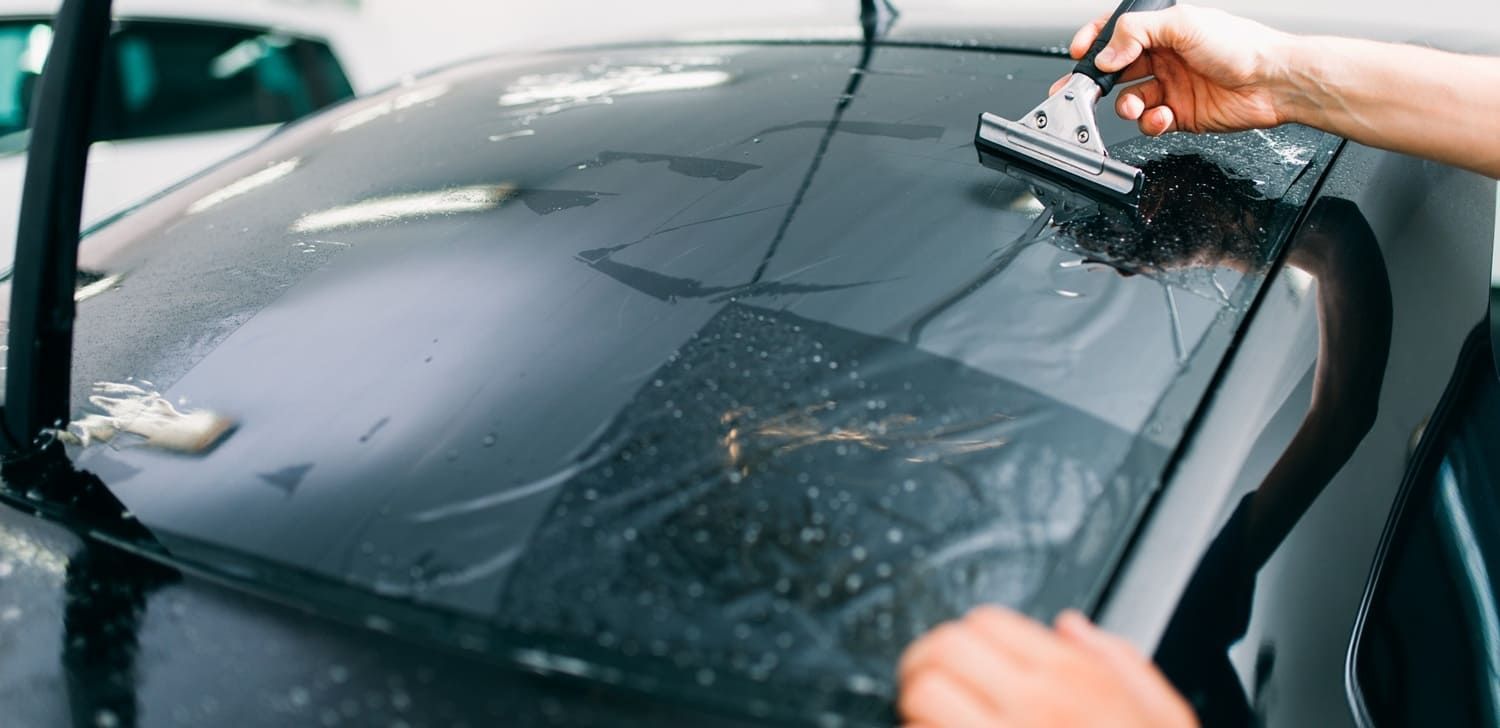
For 2026, Florida police and inspection stations will exclusively use state-mandated digital tint meters to check for compliance. Here’s what to expect:
- Tint is tested by placing a meter on the window to measure VLT in seconds
- Drivers who fail roadside tint checks will receive a citation and may be required to remove noncompliant film within 30 days
- Fines have increased, with first offenses up to $150 and subsequent offenses up to $500
- Frequent roadside compliance checks in high-heat zones, including Ocala
6. Medical Exemption Changes for Florida Drivers
The new 2026 laws update how drivers in Florida can apply for and maintain medical exemptions for darker-than-standard tint. Important guidelines include:
- Certified documentation required from a licensed Florida physician
- All exemptions must be registered with the Florida DMV
- Exemption decals must be displayed on the front dashboard at all times
- Renewal is required every two years, with updated medical documentation
- Exempt vehicles may have
darker tints but not mirrored or colored films
This ensures the process is fair and prevents abuse of the system while still protecting drivers with qualified medical needs.
7. Choosing Compliant Tint for Heat and UV Protection
Drivers in Ocala shouldn’t have to sacrifice comfort for legality. Florida-approved
ceramic window films and advanced IR-blocking tints can achieve legal VLT ratings while providing superior heat rejection and UV protection. When choosing a window film in 2026, look for:
- Florida compliance certification with visible VLT markings
- High IR (infrared) and UV blocking ratings
- Warranty coverage for long-term durability in Florida’s extreme sun
- Professional installation by trusted tint experts, like J3ss-InTime Window Films
Ceramic and nano-ceramic films are often the best choice for balancing VLT requirements and performance in Florida’s climate, keeping cars cool without breaking the law.
FAQ: 2026 Florida Tint Law Updates
Which tint shades are legal for my car in Ocala?
Front windows: 30% VLT, rear/back: 20% VLT with non-mirrored, neutral films.
How is tint measured by police in 2026?
Instant digital tint meters are placed on the glass and give a VLT reading within seconds.
Do I have to replace my older, now-illegal tint?
Yes. Any tint not meeting 2026 standards must be removed to avoid citations.
Can I legally tint my entire windshield in Florida?
No. Only clear film above the AS 1 line is allowed, with minimum 70% VLT.
Is ceramic tint legal under new laws?
Yes, as long as VLT and reflectivity meet the updated 2026 standards.
Do the new rules apply to both new and existing vehicles?
Yes. All vehicles operated on Florida roads must comply with the 2026 guidelines.
How do I qualify for a medical tint exemption?
Obtain certification from a licensed physician and register your exemption with the DMV.
What happens if I’m cited for illegal window tint?
You must remove the tint and pay fines; repeat citations carry higher penalties.
Does legal tint still block enough heat for Florida summers?
Absolutely! Legal ceramic/IR blocking films are highly effective at keeping your car cool.
Where can I get legal tint installed in Ocala, FL?
J3ss-InTime Window Films offers certified, compliant window tinting tailored for 2026 regulations in Florida.
Conclusion and Next Steps with J3ss-InTime Window Films
Florida’s 2026 tint law changes are designed to protect drivers, improve visibility, and simplify compliance—while keeping you comfortable in Ocala’s challenging climate. Whether you’re upgrading your tint for a new car or bringing an existing vehicle up to the latest legal standards, J3ss-InTime Window Films in Ocala, FL, is your trusted local expert for certified installation and premium, high-performance films. Don’t risk costly tickets or safety issues this year. Contact J3ss-InTime Window Films today at (352) 405-0925 for a free estimate and personalized legal guidance, and enjoy the peace of mind that comes with professional window tinting that’s 100% compliant with Florida’s 2026 regulations.